Methodology
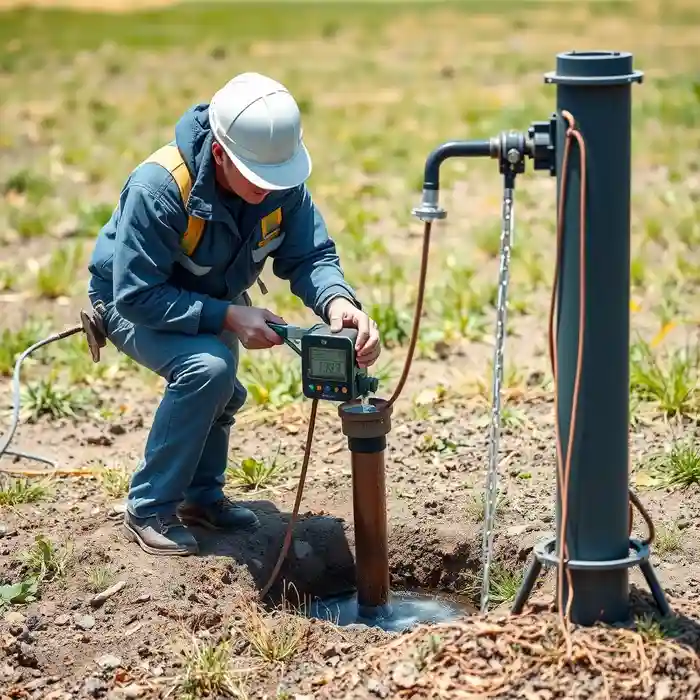
Our methodology for Irvine begins with a comprehensive review of regional aquifer studies and geologic maps to understand the layered alluvial and bedrock formations. We then conduct site-specific investigations to confirm the optimal location for water well drilling, considering factors like depth to water, anticipated water quality, and structural geology. The drilling process itself is adapted to the encountered materials, utilizing techniques that ensure proper well construction, development, and sealing to meet all California Department of Water Resources standards.
Reference Technical Parameters
| Parameter | Reference Value |
|---|---|
| Predominant Soil Type | Alluvial deposits (sand, silt, clay) overlying sedimentary bedrock |
| Maximum Seismic Acceleration (PGA) | 0.4g - 0.6g (UCERF3 model, Zone 4) |
| Typical Groundwater Level Depth | 50 - 300 feet below ground surface |
| Bedrock Depth (Approx.) | 100 - 500 feet |
| Typical Aquifer Yield | Variable; 5 - 50 gallons per minute |
Local Considerations — Irvine
Irvine's geology presents distinct considerations for groundwater development. The variable depth to the water table, influenced by the Newport-Inglewood Fault Zone, necessitates detailed pre-drilling assessment. Coastal areas demand vigilant design to prevent saline intrusion, often requiring deeper wells into confined aquifers. The city's high seismic activity mandates robust well casing and grouting protocols. Furthermore, water quality can vary significantly between the shallow alluvial deposits and deeper bedrock formations, influencing well depth and screen placement. For complex siting, a detailed hydrogeological survey is often essential. For broader regional projects, our primary operations center provides extensive support for water well drilling services from our Los Angeles hub.
Request a Quote
Our team reviews your project and issues an initial report at no cost.
Or write us directly at [email protected]
Services in Irvine
Applicable Standards
- California Water Code
- Orange County Groundwater Management Ordinance
- California Department of Water Resources Well Standards
- Alameda County Vector Control District Requirements (where applicable)
Frequently Asked Questions
How does Irvine's geology impact water well drilling?
Irvine is underlain by unconsolidated alluvial deposits from the Santa Ana River, overlying older sedimentary bedrock. This layering creates multiple potential aquifers with varying yield and water quality. The presence of the Newport-Inglewood Fault Zone adds complexity, potentially offsetting aquifers and affecting groundwater flow. Successful drilling requires identifying which water-bearing layer is most suitable and constructing the well to isolate it properly.
Are there specific seismic regulations for wells in Irvine?
Yes. Given the high seismic hazard, wells must be constructed to withstand ground shaking. Regulations and best practices emphasize proper casing selection and cement grouting to prevent collapse or contamination from surface water during a seismic event. The wellhead must also be secured and protected from surface damage.
Is a hydrogeological study mandatory before drilling a well in Irvine?
While not always mandated by code for every single-family residential well, a professional hydrogeological study is highly recommended and often required by local environmental health departments for permitting. It is crucial for determining the optimal location, depth, and construction design to ensure a sustainable, high-quality water supply and to demonstrate that the well will not adversely impact neighboring wells or the aquifer.