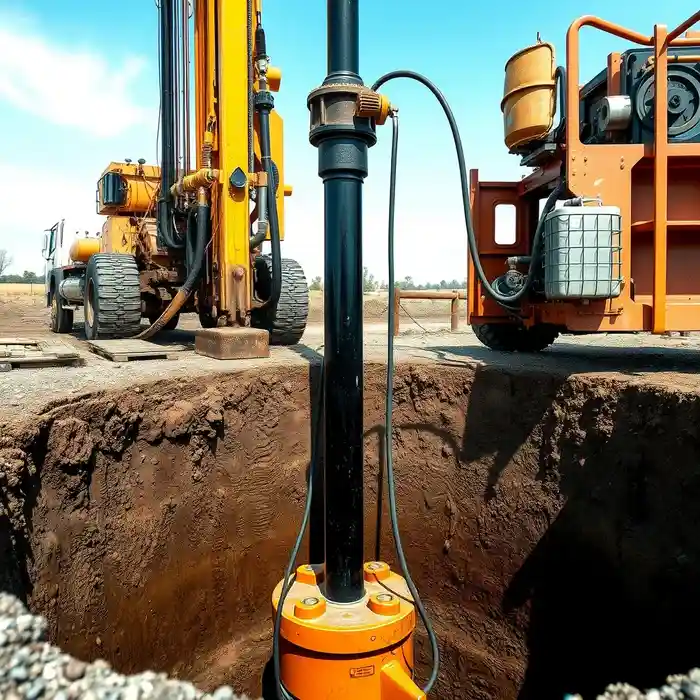
Methodology
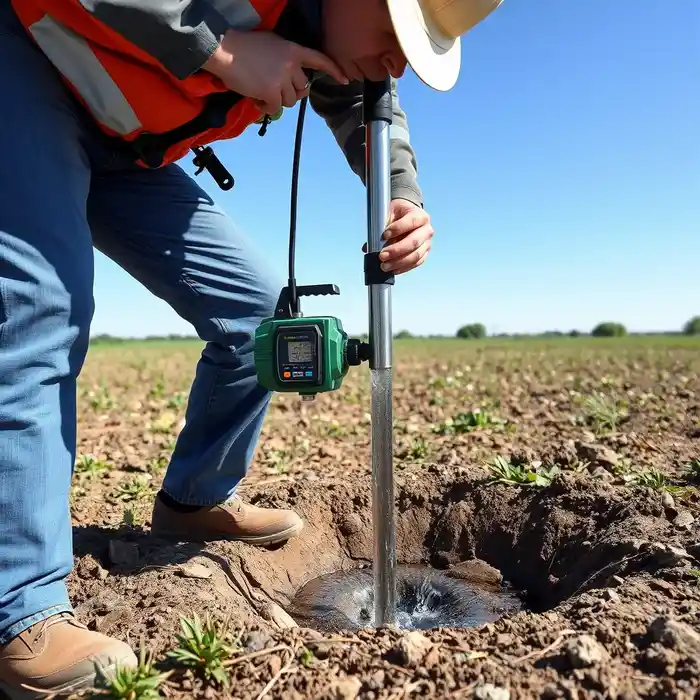
Our approach in Elk Grove begins with a thorough site assessment to understand the local subsurface conditions. We then proceed with the appropriate water well drilling technique, selecting equipment based on the expected depth to the aquifer and soil characteristics. Throughout the process, we monitor drilling parameters and collect formation samples. The well is then properly cased and developed to ensure optimal yield and water quality, culminating in a pump test to verify sustainable performance.
Reference Technical Parameters
| Parameter | Reference Value |
|---|---|
| Predominant Soil Type | Alluvial deposits (sands, silts, clays) |
| Typical Groundwater Level | Variable, often 20-100 ft below surface |
| Approximate Bedrock Depth | Generally >200 ft in alluvial basin |
| Maximum Seismic Acceleration (PGA) | As per local seismic hazard maps |
Local Considerations — Elk Grove
Elk Grove's groundwater conditions are influenced by its location within the Central Valley alluvial basin. The water table depth can vary significantly, generally becoming shallower towards the Cosumnes River. Seismic activity, governed by nearby faults, requires careful well design and construction practices. Contrasts exist between newer developments on former farmland, where well logs may be scarce, and established areas with more historical data. A common scenario involves drilling through layered sediments to reach productive aquifers, a process where a preliminary hydrogeological survey is highly advisable. For major regional projects, our primary hub coordinates operations, including comprehensive water well drilling services from our Los Angeles team.
Request a Quote
Our team reviews your project and issues an initial report at no cost.
Or write us directly at [email protected]
Services in Elk Grove
Applicable Standards
- California Water Code
- Elk Grove Municipal Code
- State Water Resources Control Board Regulations
- Local County Environmental Health Requirements
Frequently Asked Questions
What are the common soil conditions encountered during well drilling in Elk Grove?
Drilling typically progresses through unconsolidated alluvial deposits characteristic of the Central Valley. These include interbedded layers of clay, silt, sand, and gravel. The presence of dense clay layers or occasional cobbles can influence drilling speed and method selection. Understanding this stratigraphy is key to designing an effective well screen and filter pack.
Are there specific seismic design considerations for water wells in this area?
Yes. While well casings are not structural building elements, seismic resilience is considered in construction. This includes ensuring proper grouting and sealing to prevent aquifer contamination during ground shaking, and designing pump installations, often requiring professional [pump installation](/pump-installation/), to withstand seismic loads as per relevant guidelines.
Is a hydrogeological study mandatory before drilling a well in Elk Grove?
While not always mandated by code for every single-family residential well, a professional hydrogeological assessment is strongly recommended. It is typically required for commercial, agricultural, or municipal wells to obtain the necessary permits from the county and the State Water Resources Control Board, ensuring the project is viable and compliant.