Methodology
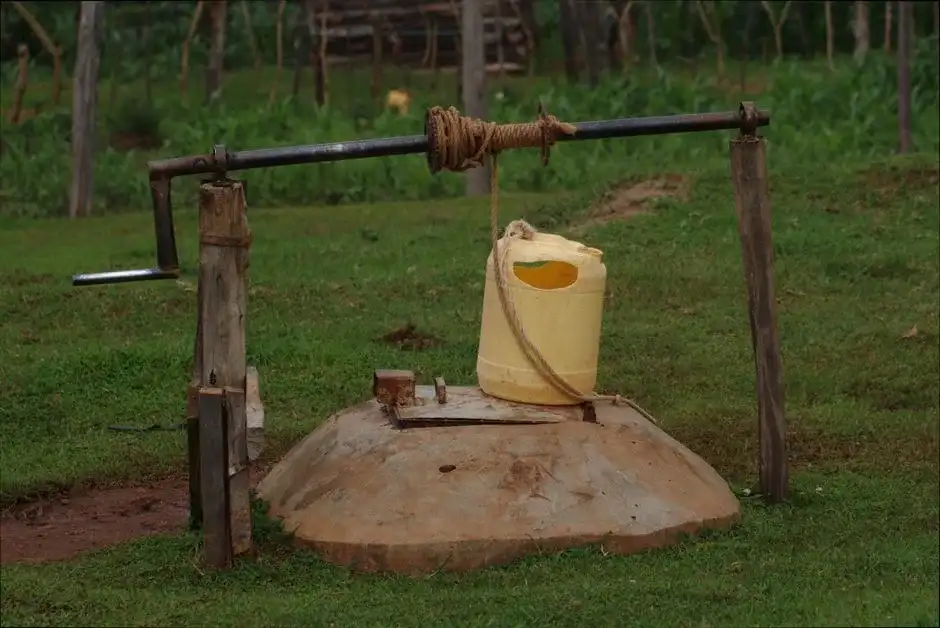
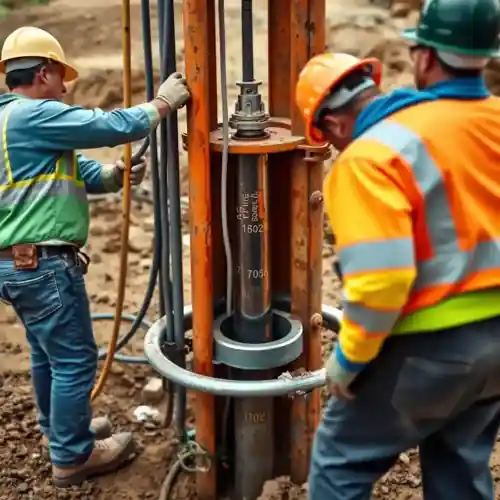
Our approach in Modesto begins with a regional assessment of the aquifer, considering the complex layering of alluvial deposits that characterize the Central Valley. We prioritize site-specific evaluations to determine optimal well placement, which directly influences the efficiency and longevity of the water well drilling process. This foundational step ensures the subsequent construction of a well is tailored to the specific yield and depth of the local water-bearing strata, leading to a reliable and productive water source.
Reference Technical Parameters
| Parameter | Reference Value |
|---|---|
| Predominant Soil Type | Unconsolidated Alluvial Deposits (sand, gravel, silt, clay) |
| Typical Groundwater Level Depth | Variable, subject to seasonal and long-term trends |
| Bedrock Depth | Generally deep (>500 ft), not typically encountered in standard wells |
| Maximum Seismic Acceleration (PGA) | As per local building code seismic hazard maps |
Local Considerations — Modesto
1. The subsurface in Modesto primarily consists of deep, unconsolidated alluvial deposits—sand, gravel, silt, and clay layers—which influence well screen selection and development techniques. 2. Groundwater levels are subject to significant seasonal and long-term fluctuations due to agricultural pumping and climatic variations, requiring careful dynamic assessment. 3. While seismic risk is present as part of the Central Valley, the deep alluvial soils can influence site response, a factor considered in well casing design. 4. Well requirements can differ between expansive rural agricultural parcels and more densely populated urban-fringe areas, particularly regarding setbacks and potential contaminant sources. 5. A common scenario involves developing a high-yield agricultural well, which necessitates a detailed pre-construction hydrogeological survey to ensure viability and regulatory compliance.
Request a Quote
Our team reviews your project and issues an initial report at no cost.
Or write us directly at [email protected]
Services in Modesto
Applicable Standards
- California Water Code
- Sustainable Groundwater Management Act (SGMA)
- Stanislaus County Well Standards
- California State Water Resources Control Board Regulations
Frequently Asked Questions
What types of soil conditions are common for well drilling in Modesto?
The Modesto area is underlain by the alluvial deposits of the Central Valley aquifer system. This typically means alternating layers of sand, gravel, silt, and clay. Successful well construction here depends on accurately identifying the most productive coarse-grained layers (aquifers) and properly designing the well screen and filter pack to match these specific soil conditions.
Are there specific seismic regulations for water wells in Modesto?
While water wells are not structural buildings, prudent engineering practice in a seismically active state like California considers ground motion. Well design, particularly the casing and seal, must ensure integrity during seismic events to prevent aquifer contamination or well collapse, adhering to robust construction standards outlined in county and state regulations.
Is a groundwater study mandatory before drilling a well in Stanislaus County?
While not always mandatory for every single-family domestic well, a professional groundwater study is highly recommended and is often required for larger-capacity agricultural, commercial, or municipal wells. It is essential for determining sustainable yield, avoiding interference with existing wells, and fulfilling the requirements of the Sustainable Groundwater Management Act (SGMA) for the region.