Methodology
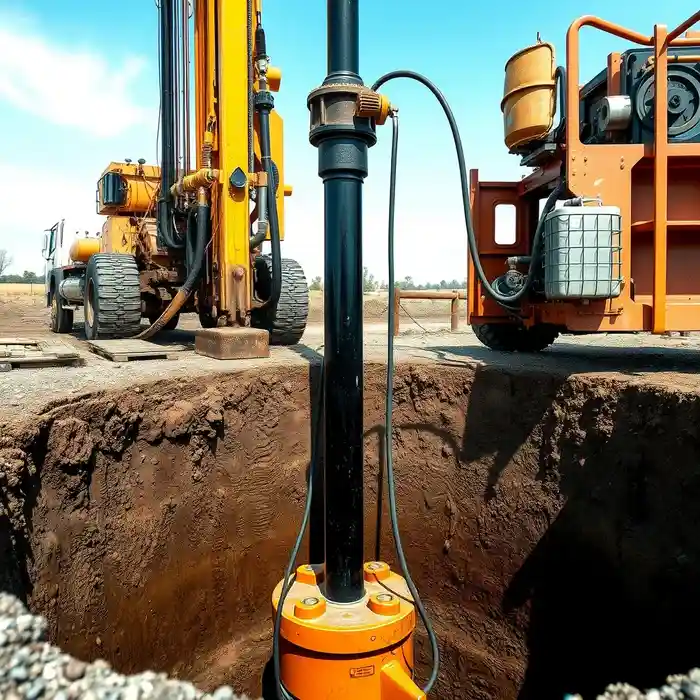
Our approach in Fremont begins with a comprehensive site evaluation to understand the local subsurface conditions. This informs the strategic planning for water well drilling, where we select appropriate techniques—such as rotary or cable tool drilling—based on the anticipated geology, from soft alluvium to harder sedimentary formations. We prioritize precise well construction, including proper casing and screen selection, followed by systematic well development to maximize sustainable yield and water quality, tailored to the specific demands of the Fremont area.
Reference Technical Parameters
| Parameter | Reference Value |
|---|---|
| Predominant Soil Type | Alluvial Silts, Clays, and Sands |
| Maximum Seismic Acceleration (PGA) | 0.4g - 0.6g (Near Hayward Fault) |
| Typical Groundwater Level | 10 - 100 ft below surface |
| Bedrock Depth | Highly Variable (50 - 300+ ft) |
| Typical SPT N60 Range | 5 - 50 (Variable per ASTM D5092) |
Local Considerations — Fremont
Fremont's geology is characterized by a complex mix of alluvial deposits from the Alameda Creek drainage and older sedimentary formations. Groundwater levels are generally shallow in valley areas but can drop significantly during drought periods, affecting static water levels. The city's location near the Hayward Fault necessitates strict adherence to seismic design principles for well casing and construction. Contrasts are evident: the Mission San José area, underlain by more permeable sediments, often allows for higher-yield wells, while the Centerville district may require deeper drilling to reach productive aquifers. A thorough hydrogeological survey is critical here to identify optimal drilling locations and avoid costly dry holes, just as it is for our major operations hub where we provide comprehensive water well drilling services from our Los Angeles base.
Request a Quote
Our team reviews your project and issues an initial report at no cost.
Or write us directly at [email protected]
Services in Fremont
Applicable Standards
- California Well Standards (Bulletin 74)
- Fremont Municipal Code
- Alameda County Water District Regulations
- Seismic Design Criteria for Well Casings
Frequently Asked Questions
What are the common soil types encountered during well drilling in Fremont, and how do they affect the process?
Fremont primarily features alluvial soils—including interbedded layers of clay, silt, sand, and gravel—deposited by Alameda Creek. These layers can vary greatly over short distances. Sandy and gravelly layers are typically more permeable and productive for water wells, while thick clay layers can act as aquitards, slowing drilling progress and potentially limiting yield. This variability necessitates careful site investigation to select the correct drilling method and well screen type.
How does Fremont's seismic activity influence well construction standards?
Proximity to the Hayward Fault Zone requires that well construction in Fremont adheres to robust seismic design. This includes using specific grades of steel for casing, ensuring proper cement grouting to stabilize the casing against ground shaking, and designing wellheads to resist seismic loads. These measures are mandated by state well standards and local codes to prevent well collapse, contamination, or loss of water supply during an earthquake.
Is a hydrogeological study mandatory before drilling a water well in Fremont?
While not always legally mandatory for every single-family residential well, a professional hydrogeological study is highly recommended and often required by local water districts or for commercial projects. It is a critical step to assess the aquifer's sustainability, estimate probable yield, identify potential contamination sources, and ensure the well's design is suitable for local conditions, ultimately protecting your investment and water resource.