Methodology
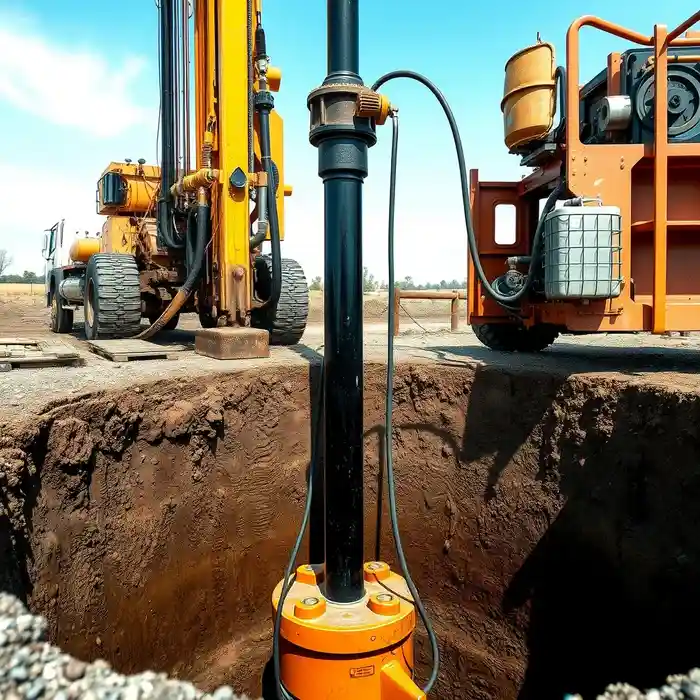
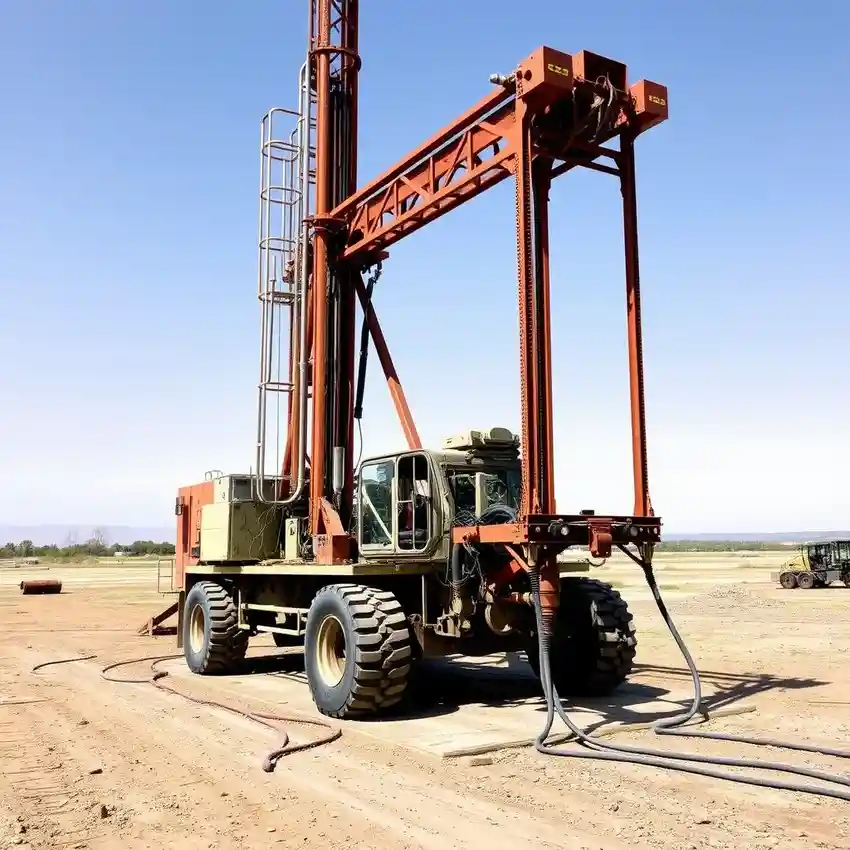
Our approach in North Las Vegas begins with a comprehensive site evaluation to understand the specific hydrogeological context. This informs the strategic planning for the water well drilling process. We utilize advanced drilling techniques suited to the local alluvial and bedrock formations, ensuring proper well construction, development, and testing to verify sustainable yield and protect the integrity of the aquifer.
Reference Technical Parameters
| Parameter | Reference Value |
|---|---|
| Predominant Soil Type | Alluvial sands, gravels, and clays |
| Typical Bedrock Depth | Variable, 100 - 500+ ft below ground surface |
| Maximum Seismic Acceleration (PGA) | Approx. 0.4g (Seismic Zone 3) |
| Typical Groundwater Level | Deep, variable based on location and season |
| Typical N60 Range (SPT) | Wide range, from low in loose alluvium to very high in cemented layers |
Local Considerations — North Las Vegas
North Las Vegas presents unique challenges for groundwater development. The valley's geology consists of deep alluvial deposits overlying fractured carbonate bedrock. Groundwater levels have experienced significant decline, requiring deeper and more precise drilling. Seismic activity, while moderate, necessitates robust well casing design. Conditions vary between newer developments in the north and older areas, influencing well depth and potential water quality. A thorough hydrogeological survey is essential here, more so than in many other regions. For major regional projects, our team often coordinates with our primary hub for comprehensive water well drilling services from Los Angeles.
Request a Quote
Our team reviews your project and issues an initial report at no cost.
Or write us directly at [email protected]
Services in North Las Vegas
Applicable Standards
- Nevada Division of Water Resources (NDWR) Regulations
- Clark County Code
- Safe Drinking Water Act (SDWA) Standards
Frequently Asked Questions
What are the main soil and geological challenges for drilling a water well in North Las Vegas?
The primary challenges include penetrating deep, heterogeneous alluvial deposits that can contain cemented layers (caliche) and cobbles, followed by potentially fractured bedrock. This variability requires adaptable drilling methods and can significantly impact well construction time and cost. Accurate identification of productive zones is critical.
How does local seismic regulation affect well construction?
North Las Vegas is in a region of moderate seismic hazard. Well construction must account for potential ground shaking by using appropriate casing materials, grouting protocols, and securing the wellhead to prevent structural failure or aquifer contamination during an seismic event, as guided by local building and water resource codes.
Is a professional hydrogeological study mandatory before drilling a well here?
While not always legally mandatory for all properties, a professional study is highly recommended and often required by the NDWR for new appropriations. It is a crucial step to determine viable yield, secure water rights, design an efficient well, and avoid costly dry holes or legal issues, making it a standard best practice.