Methodology
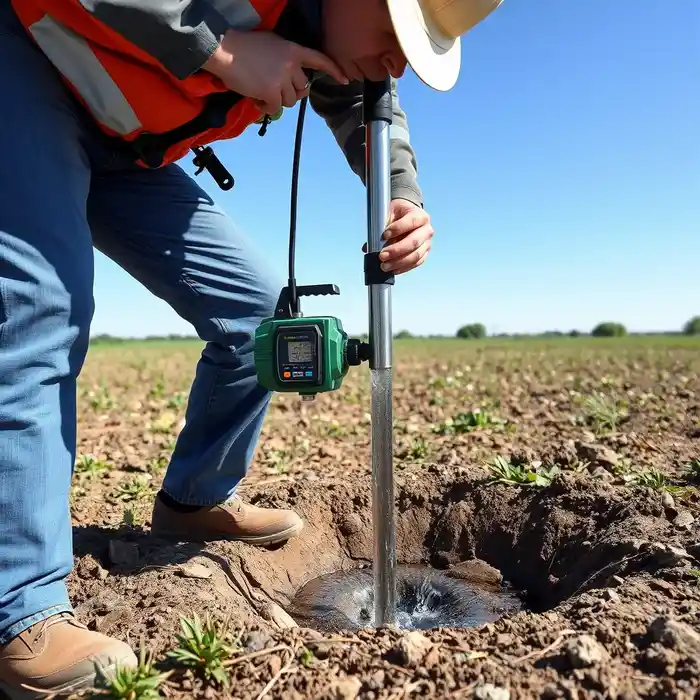
Our approach in Ontario begins with a thorough evaluation of existing hydrogeological data and site-specific conditions. We then proceed with precision water well drilling, selecting techniques—whether rotary, percussion, or down-the-hole hammer—based on the anticipated subsurface strata, from unconsolidated alluvium to deeper, more consolidated materials. Careful well construction, including proper screen selection and gravel pack design, is critical to maximize yield and longevity in these variable soils. Each project is documented to meet the rigorous standards of the California Department of Water Resources.
Reference Technical Parameters
| Parameter | Reference Value |
|---|---|
| Predominant Near-Surface Soil Type | Alluvial deposits (sand, gravel, silt, clay) |
| Typical Groundwater Level (Depth to Water) | Variable, 50 - 200+ feet below ground surface |
| Estimated Bedrock Depth | Highly variable; several hundred feet in basin center |
| Maximum Considered Seismic Acceleration (PGA) | As per CBC/USGS maps for Site Class D |
| Typical Aquifer Material | Sands and gravels within alluvial sequences |
Local Considerations — Ontario California
1. **Geology & Aquifers**: Ontario overlies the Chino Groundwater Basin, consisting of interbedded sands, gravels, clays, and silts. Successful well placement requires understanding the discontinuous, lenticular nature of these water-bearing zones. 2. **Water Table Depth**: Groundwater levels are subject to significant seasonal and long-term fluctuation due to regional pumping and recharge rates, impacting well design depth. 3. **Seismic Activity**: Located in a seismically active region, well casing and construction must consider potential liquefaction in loose, saturated sands during seismic events. 4. **Local Contrasts**: Well yields and water quality can vary markedly between older agricultural lands and newer urban developments due to differing land use history and subsurface conditions. 5. **Regulatory Framework**: All drilling requires a permit from the local groundwater sustainability agency, and water extraction is governed by California's complex water rights system, making a preliminary hydrogeological survey a prudent first step. For major regional projects, our primary operations hub provides extensive support; learn more about our comprehensive water well drilling services from our Los Angeles team.
Request a Quote
Our team reviews your project and issues an initial report at no cost.
Or write us directly at [email protected]
Services in Ontario California
Applicable Standards
- California Water Code
- Local Groundwater Sustainability Agency Regulations
- California Building Code (CBC) Seismic Provisions
- California Department of Water Resources Well Standards
Frequently Asked Questions
What are the main soil challenges for water well drilling in Ontario, CA?
The primary challenge is the heterogeneity of the alluvial basin deposits. Layers of productive sand and gravel can be interspersed with thick clay or silt layers that act as aquitards. This requires careful geologic interpretation during drilling to correctly identify and screen the optimal water-bearing zones and to design an effective well development process.
How does seismic risk influence well construction here?
Seismic design is integral. Well casings must be designed to resist bending and compression forces during ground shaking. In areas with loose, saturated sands, the risk of liquefaction and subsequent sand intrusion into the well is assessed, often influencing the depth of surface seal and the specification of stronger, threaded casing joints.
Is a hydrogeological study mandatory before drilling a well in Ontario?
While not always mandated for every single-family domestic well, a professional hydrogeological study is highly recommended and is often required by the local groundwater sustainability agency for larger-capacity wells. It is a critical tool for justifying the proposed extraction, ensuring sustainable aquifer management, and securing the necessary permits in this regulated basin.