Methodology
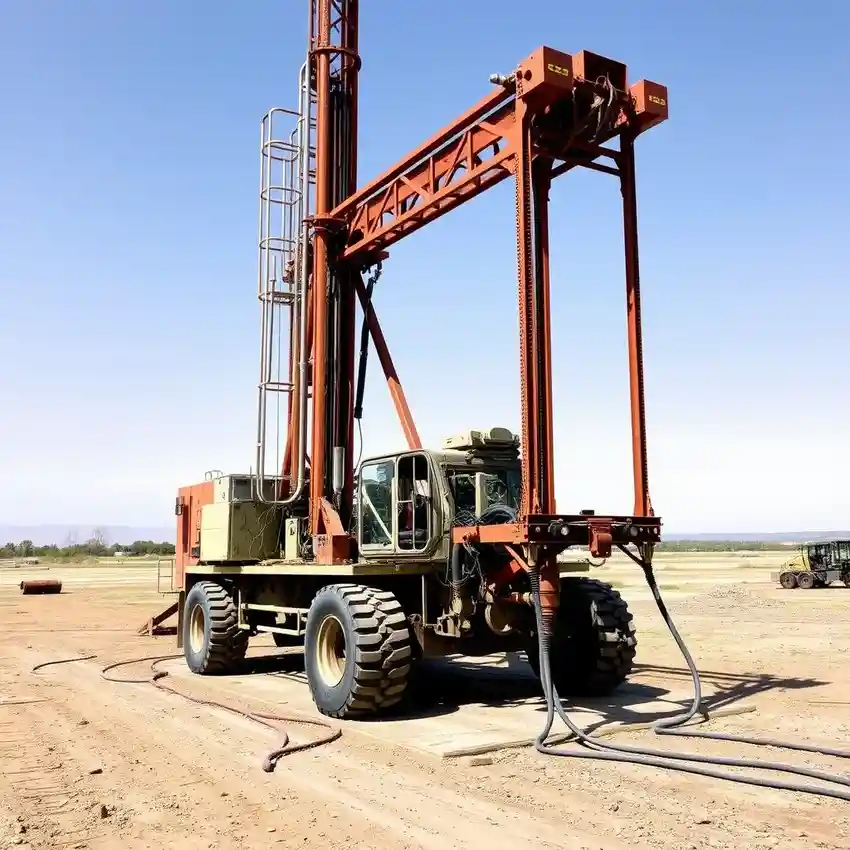
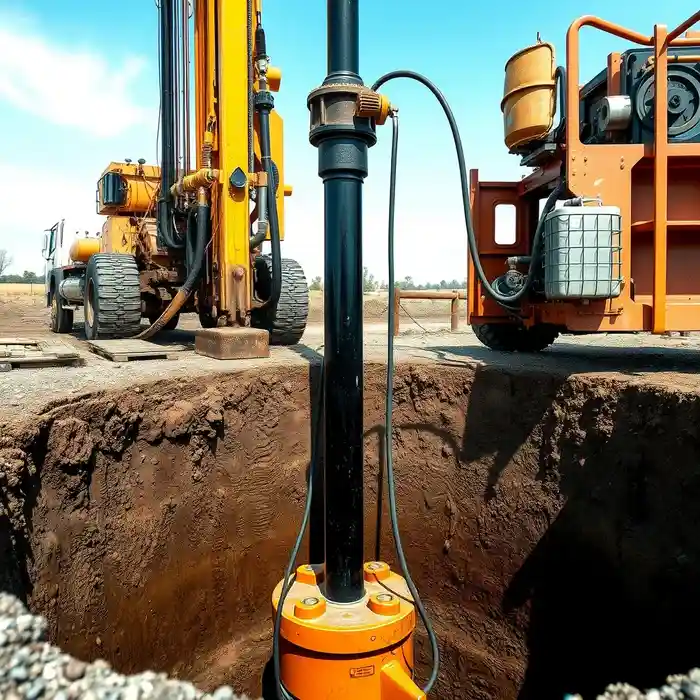
Our approach in Fullerton begins with a thorough understanding of the site-specific context. We integrate available geological maps, historical well data, and current water table information to assess feasibility. The actual water well drilling process is then tailored to the encountered conditions, whether drilling through unconsolidated alluvium or reaching deeper, more stable layers. We prioritize methods that ensure well integrity, proper sealing to prevent aquifer contamination, and compliance with all local permitting requirements from initial assessment to final development.
Reference Technical Parameters
| Parameter | Reference Value |
|---|---|
| Predominant Soil Type | Sandy Loam / Clay Layers |
| Maximum Seismic Acceleration (PGA) | Up to 0.4g (Zone 4, CBC) |
| Typical Groundwater Level | Variable, 15-100 ft below surface |
| Bedrock Depth | 100-300 ft (highly variable) |
| Typical SPT N60 Range | 10-30 blows/ft in alluvium |
Local Considerations — Fullerton
1. **Geology & Soil:** Fullerton sits on Quaternary alluvial deposits, primarily sandy loam and clay layers, overlying older sedimentary bedrock. This stratification requires careful screen selection to prevent sanding. 2. **Groundwater Level:** The water table is relatively shallow but has experienced historical fluctuations; depth is variable across the city. 3. **Seismic Activity:** Located in a high seismic zone, well casings and construction must be designed to resist liquefaction and ground shaking, adhering to strict engineering standards. 4. **Urban Contrasts:** Well design differs between older, established neighborhoods with mature infrastructure and newer developments, where underground utilities are a primary concern. 5. **Typical Cases:** Most residential and light commercial projects require careful hydrogeological survey to define the aquifer's sustainable yield and ensure no interference with neighboring wells, a process supported by our broader team in the region, including water well drilling services from our Los Angeles hub.
Request a Quote
Our team reviews your project and issues an initial report at no cost.
Or write us directly at [email protected]
Services in Fullerton
Applicable Standards
- California Water Code
- Local Orange County Well Ordinances
- California Building Code (CBC) Seismic Provisions
- State Water Resources Control Board Regulations
Frequently Asked Questions
How does Fullerton's soil type affect water well drilling?
The layered alluvial deposits, consisting of interbedded sands, silts, and clays, directly influence drilling method selection, well screen design, and development techniques. Sandy layers can be unstable during drilling, while clay layers can impede water flow into the well if not properly addressed, making experienced site evaluation crucial.
What seismic regulations apply to water wells in Fullerton?
Well construction must comply with the California Building Code's seismic design categories. This often requires specific casing materials, grouting procedures, and structural considerations to ensure the well maintains integrity during seismic events, particularly given the liquefaction potential in some alluvial soils.
Is a hydrogeological study mandatory before drilling a well in Fullerton?
While not always mandated by code for every single-family property, a professional hydrogeological study is highly recommended and is often required by the permitting authority for commercial projects or in areas of known groundwater sensitivity. It is essential for determining sustainable yield, avoiding interference, and ensuring long-term reliability.