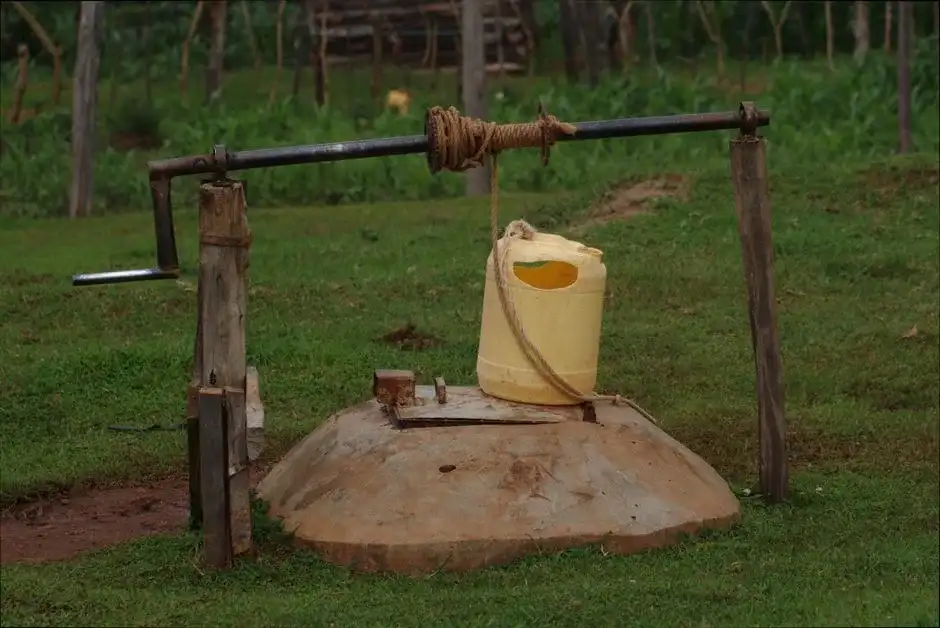
Methodology
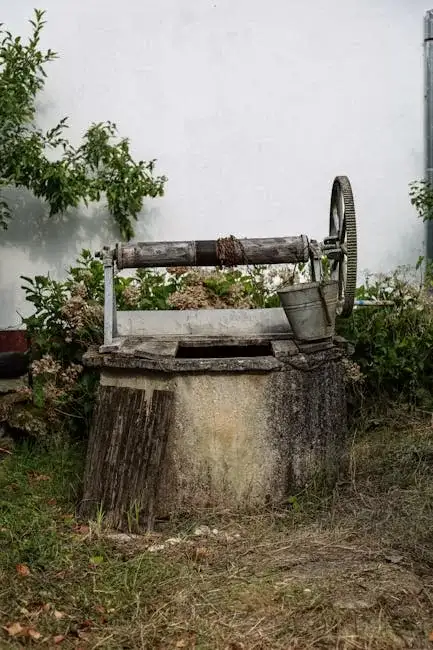
Our approach in Corona begins with a thorough evaluation of the site's potential within the context of the Temescal Valley groundwater basin. We assess historical well logs, geologic maps, and local water level trends. This preliminary analysis informs the strategic planning of the water well drilling operation itself. We select drilling techniques—typically rotary or cable tool—based on the expected subsurface conditions, from unconsolidated alluvium to fractured bedrock, ensuring efficient and effective well construction tailored to the property's specific yield requirements.
Reference Technical Parameters
| Parameter | Reference Value |
|---|---|
| Predominant Soil Type | Alluvial Fan Deposits (Sandy Gravels to Silty Clays) |
| Maximum Seismic Acceleration (PGA) | 0.4g - 0.6g (Site-Specific) |
| Typical Groundwater Level | 50 - 250 ft below ground surface |
| Bedrock Depth | Highly Variable, 50 - 500+ ft |
| Typical SPT N60 Value | 10 - 50 (Variable with depth and material) |
Local Considerations — Corona California
1. **Geology & Aquifer**: Corona sits on alluvial fans from the Santa Ana Mountains, overlying the Temescal Valley aquifer. Yields vary significantly; wells in coarse-grained deposits near the mountain front often outperform those in finer sediments farther into the valley. 2. **Water Table Depth**: Highly variable, from shallow levels near Temescal Wash to deeper than 200 feet in some upland areas, necessitating precise hydrogeological survey for accurate targeting. 3. **Seismic Activity**: Located in a seismically active region, well design must consider liquefaction potential in saturated, loose sediments and use construction methods that maintain integrity during ground motion. 4. **Neighborhood Contrasts**: Properties in the older, central areas versus newer developments in the foothills present different drilling challenges and regulatory histories. 5. **Typical Cases**: A common scenario involves navigating a mix of cobbles, sand, and clay layers before reaching a productive water-bearing zone in the deeper alluvium or fractured bedrock.
Request a Quote
Our team reviews your project and issues an initial report at no cost.
Or write us directly at [email protected]
Services in Corona California
Applicable Standards
- California Water Code
- Riverside County Well Ordinance
- California State Water Resources Control Board (SWRCB) Regulations
- Local Groundwater Management Plans
Frequently Asked Questions
What soil and geologic conditions are most common for water well drilling in Corona?
Corona's geology is dominated by alluvial fan materials—layers of gravel, sand, silt, and clay deposited by ancient streams from the Santa Ana Mountains. These layers are highly heterogeneous. Successful drilling requires identifying the coarser, more permeable zones (often gravel and sand) that act as aquifers, which can be interspersed with less productive fine-grained layers. Understanding this stratification is key to predicting well yield.
How does seismic activity in the area influence well construction?
Seismic activity mandates robust well construction to prevent collapse or casing failure during ground shaking. In areas with loose, saturated soils, liquefaction is a concern that can compromise well integrity. Our designs consider seismic loads, use appropriate grouting materials for annular seals, and ensure the casing and screen are rated to withstand potential ground deformation, as guided by best practices for the region's seismic hazard.
Is a hydrogeological study mandatory before drilling a well in Corona?
While not always mandated by code for every single-family domestic well, a professional hydrogeological study is strongly recommended and is often required by local groundwater sustainability agencies or for larger capacity wells. It is a critical step to determine the optimal location, depth, and design, to estimate sustainable yield, and to ensure the new well does not adversely impact existing neighboring wells or the aquifer system.