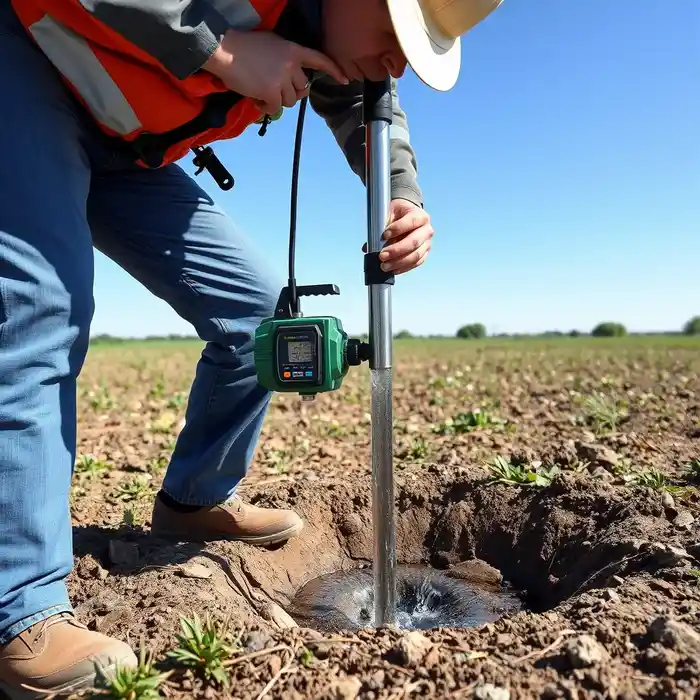
Methodology
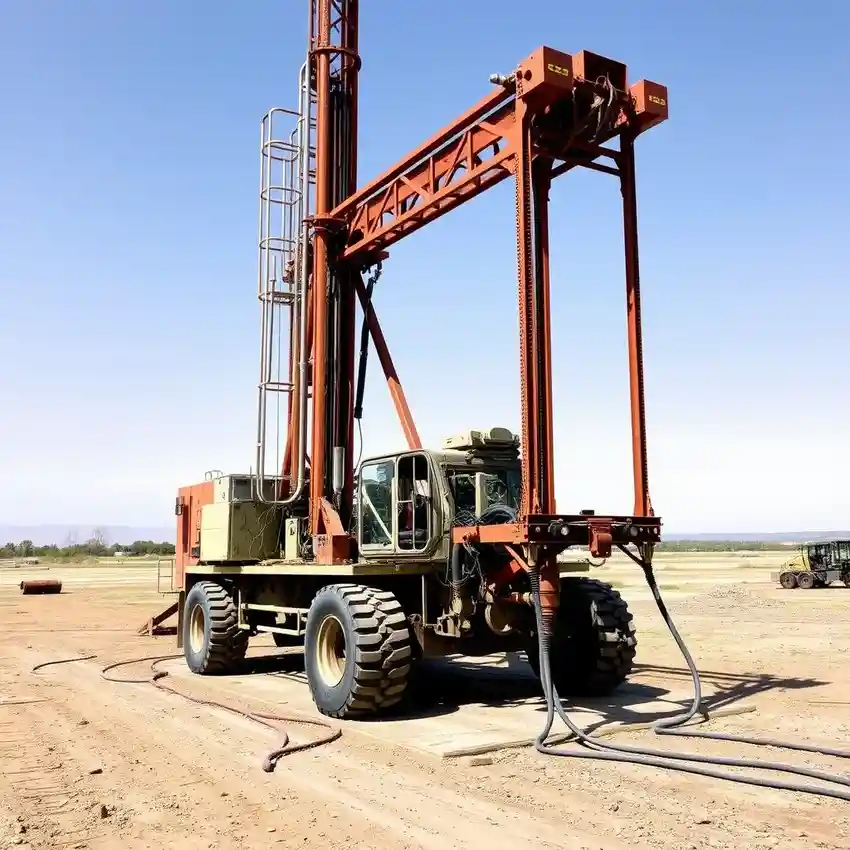
Our approach in Oakland begins with a comprehensive site assessment, integrating historical well data, topographic analysis, and a review of local geology to identify optimal drilling targets. We then proceed with precise water well drilling operations, selecting techniques—whether rotary for deep bedrock or cable tool for unconsolidated sediments—based on the specific subsurface conditions encountered. Throughout the process, we meticulously log formation samples and monitor drilling parameters to ensure well integrity and maximize sustainable yield.
Reference Technical Parameters
| Parameter | Reference Value |
|---|---|
| Predominant Soil Type | Alluvial Deposits / Franciscan Complex Bedrock |
| Maximum Seismic Acceleration (PGA) | 0.4g - 0.6g (Site-Specific) |
| Typical Groundwater Level | Variable, 15 - 100 ft below surface |
| Bedrock Depth | 0 ft (Hills) to >150 ft (Basin) |
| Typical N60 Range (SPT) | Variable, 10 - 50+ blows/ft |
Local Considerations — Oakland
Oakland's geology presents distinct challenges: the shallow, often perched aquifers in the East Oakland flatlands require careful hydrogeological survey to avoid contamination and ensure sustainable yield. In the hills, drilling into fractured Franciscan Complex bedrock demands specialized equipment to locate productive fissures. High seismic activity necessitates well casing designs that comply with strict deformation tolerance standards. Proximity to the San Francisco Bay mandates vigilant monitoring for saltwater intrusion in coastal zones. Furthermore, navigating Alameda County ordinances and California's complex water appropriation system is integral to every project's feasibility, a regulatory landscape where our extensive experience in major markets like water well drilling in Los Angeles provides a significant advantage.
Request a Quote
Our team reviews your project and issues an initial report at no cost.
Or write us directly at [email protected]
Services in Oakland
Applicable Standards
- California Water Code
- Alameda County Well Ordinance
- California Building Code (CBC) Seismic Provisions
- SWRCB Permitting Requirements
Frequently Asked Questions
What are the main soil and rock types encountered during water well drilling in Oakland?
Oakland features two primary geological settings: the flatlands underlain by deep, unconsolidated alluvial deposits (sand, gravel, clay) and the hills composed of the hard, fractured rock of the Franciscan Complex (sandstone, greenstone, serpentinite). The drilling method, casing design, and expected yield differ drastically between these zones, making a preliminary geological assessment essential.
How does Oakland's seismic activity influence well construction?
Seismic design is paramount. Well casings must be engineered to withstand ground shaking and potential liquefaction in loose soils, particularly near the bay. Construction standards must account for seismic acceleration parameters (PGA) defined in the California Building Code to prevent well collapse or damage that could compromise water quality or supply during an event.
Are hydrogeological studies mandatory before drilling a well in Oakland?
While not universally mandated for every single-family residential well, a professional hydrogeological study is strongly recommended and is often required by Alameda County Environmental Health for commercial projects or in areas with known water quality or quantity concerns. It is critical for securing the necessary permits and ensuring the well's long-term viability and legal compliance.