Methodology
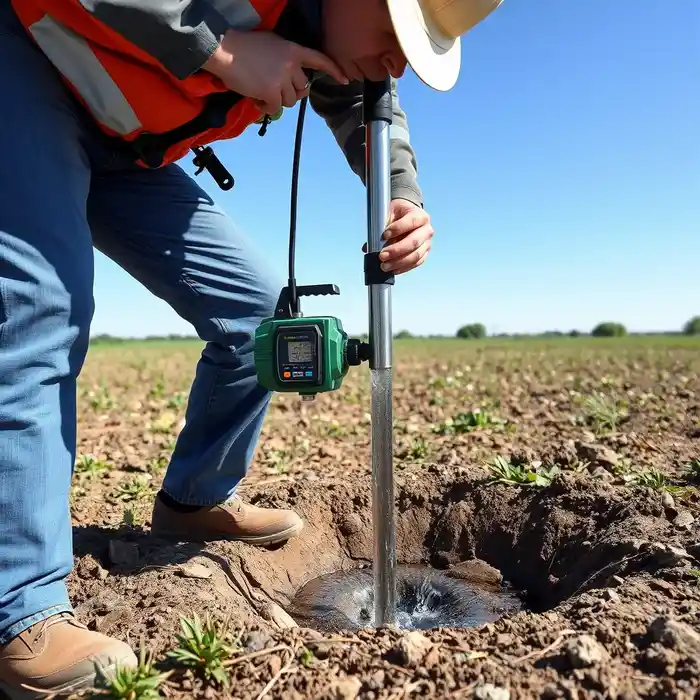
Our approach to water well drilling in Orange begins with a comprehensive understanding of the local hydrogeological framework. We assess the complex alluvial fan deposits and the interface with deeper sedimentary layers to identify optimal aquifer targets. This foundational knowledge informs every phase, from initial site evaluation to the final development of a productive well, ensuring a methodical and technically sound water well drilling process tailored to the subsurface conditions of Orange County.
Reference Technical Parameters
| Parameter | Reference Value |
|---|---|
| Predominant Soil Type | Alluvial sequences (clay, silt, sand, gravel) |
| Maximum Seismic Acceleration (PGA) | 0.4g - 0.6g (Site Specific) |
| Typical Groundwater Level | Variable, 10 - 100 ft below surface |
| Bedrock Depth | Highly variable, 50 - 300+ ft |
| Typical N60 Range (SPT) | 5 - 50 blows/ft (soil dependent) |
Local Considerations — Orange California
Key local considerations for water well drilling in Orange California include: 1) The heterogeneous soil profile, with sequences of clay, silt, sand, and gravel affecting drilling method selection and well screen design. 2) Variable groundwater levels influenced by seasonal recharge and historical extraction, necessitating accurate static level determination. 3) High seismic activity requiring well casing and construction methods that account for liquefaction potential in loose, saturated soils. 4) Contrasts between the older urban core and newer developments, where land use history may impact groundwater quality. 5) Typical scenarios involve navigating dense clay layers to reach productive sandy aquifers, often requiring a detailed pre-construction hydrogeological survey for success. For major regional projects, our central team provides support through our water well drilling services from Los Angeles.
Request a Quote
Our team reviews your project and issues an initial report at no cost.
Or write us directly at [email protected]
Services in Orange California
Applicable Standards
- California Water Code
- Orange County Groundwater Management Ordinance
- State Water Resources Control Board Regulations
- Local Building & Safety Codes
Frequently Asked Questions
What are the common soil challenges for water well drilling in Orange?
The primary challenge is the heterogeneity of alluvial fan deposits. Drillers often encounter interbedded layers of dense clay and loose sand, which can cause hole instability and require careful mud program management or casing advancement. The presence of cobbles and gravels can also slow progress and demand robust drilling equipment.
How does seismic zoning in Orange affect well construction?
Orange is in a high seismic hazard zone. Well construction must mitigate risks like liquefaction-induced sand boils or casing shear. This often dictates stricter specifications for grouting, the use of seismically resilient couplings, and potentially deeper setting of well screens below susceptible layers, as evaluated in site-specific studies.
Is a hydrogeological study mandatory before drilling a well in Orange?
While not always mandated by the city for every single-family residential well, a professional hydrogeological study is highly recommended and is often required by the Orange County Health Care Agency or for commercial/agricultural projects. It is critical for determining sustainable yield, avoiding aquifer interference, and ensuring water quality meets standards, making it a cornerstone of responsible water resource development.