Methodology
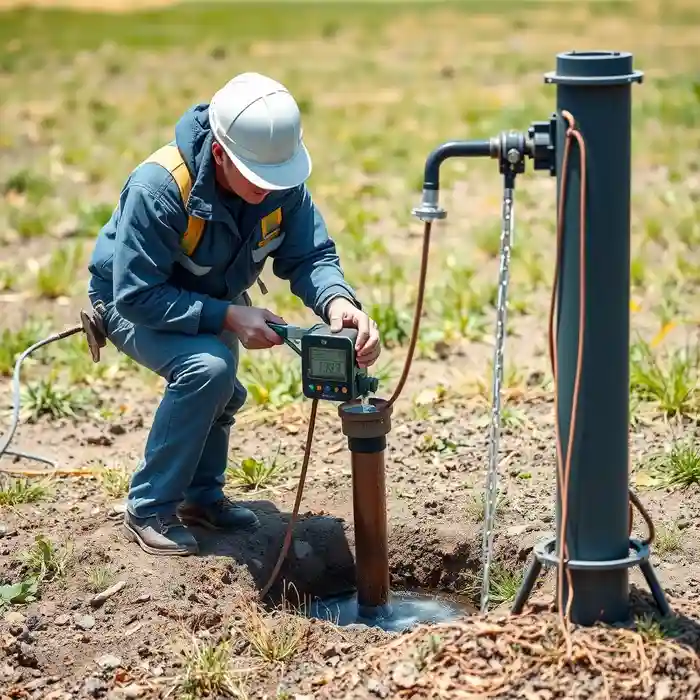
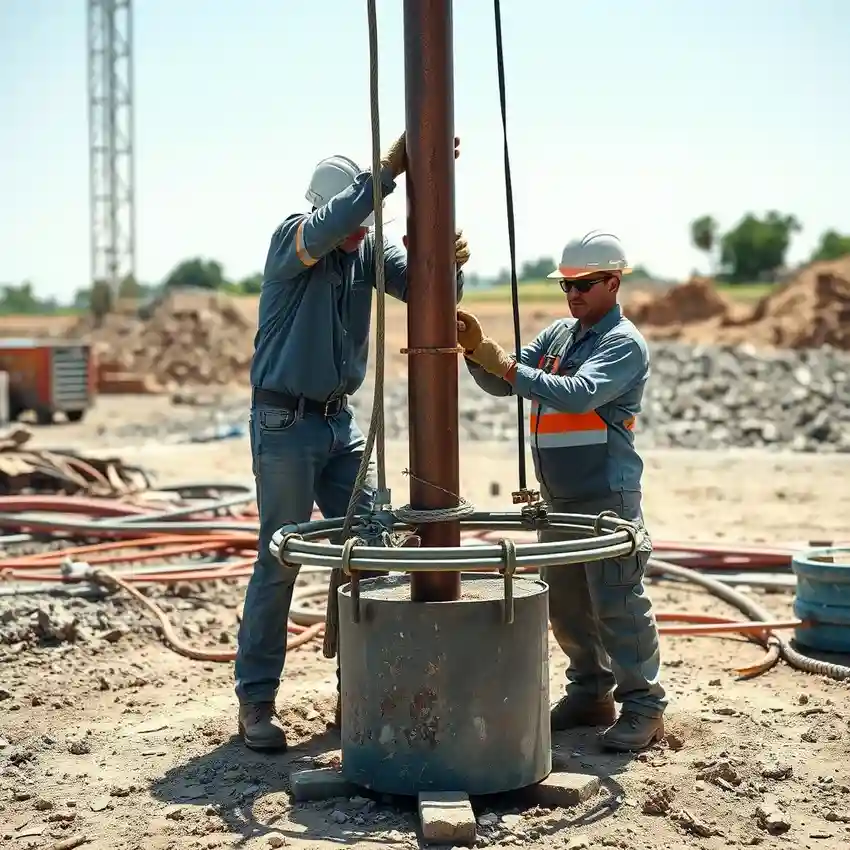
Our approach in Santa Ana begins with a comprehensive site evaluation to understand the subsurface conditions, which are crucial for successful water well drilling. We analyze geological maps and historical well data specific to the area to identify the most promising aquifer zones within the alluvial fan deposits. This preliminary work informs the drilling strategy, whether for a shallow well in the sandy layers or a deeper well targeting more consolidated materials, ensuring the design is optimized for both water access and long-term structural integrity in a seismically active region.
Reference Technical Parameters
| Parameter | Reference Value |
|---|---|
| Predominant Soil Type | Unconsolidated Alluvial Sand, Silt, and Gravel |
| Maximum Seismic Acceleration (PGA) | 0.4g - 0.6g (Site Specific) |
| Typical Groundwater Level | 20 - 150 ft below surface |
| Bedrock Depth | 200 - 500+ ft (Highly Variable) |
| Typical SPT N60 Range | 5 - 50 (Variable with depth and location) |
Local Considerations — Santa Ana
Santa Ana's geology is characterized by deep alluvial deposits from the Santa Ana River, creating a complex, layered aquifer system. The water table depth is highly variable, influenced by seasonal precipitation and urban water use. High seismic activity necessitates well casing and construction methods that comply with strict codes for lateral force resistance. Conditions differ significantly between the older central basin areas and the eastern foothills, where the water table is deeper and the geology includes more cemented materials. A typical challenge involves managing fine sands and silts that can lead to sand pumping if the well is not properly developed. For projects requiring precise aquifer characterization, a detailed hydrogeological survey is essential. Many regional projects are supported by our central team specializing in water well drilling in Los Angeles.
Request a Quote
Our team reviews your project and issues an initial report at no cost.
Or write us directly at [email protected]
Services in Santa Ana
Applicable Standards
- California Well Standards (Bulletin 74)
- Santa Ana Municipal Code
- Seismic Design Criteria per CBC
- Regional Water Quality Control Board Regulations
Frequently Asked Questions
What types of soil and geological formations are commonly encountered during well drilling in Santa Ana?
Drilling typically progresses through sequences of unconsolidated alluvial deposits, including loose sands, silts, clays, and gravels laid down by the Santa Ana River. These layers are often interbedded and can vary greatly in thickness and permeability over short distances. Deeper drilling may encounter older, more consolidated alluvial fan deposits or even the underlying bedrock, which influences well design and potential yield.
How does local seismic activity and building code affect well construction?
Santa Ana is in a high seismic hazard zone. The California Well Standards and building codes mandate specific construction techniques to ensure well integrity during ground shaking. This includes requirements for proper well casing materials, grouting procedures to seal the annulus, and securing the wellhead to prevent collapse or contamination from surface water intrusion during a seismic event.
Is a preliminary subsurface investigation mandatory before drilling a water well in Santa Ana?
While not always legally mandated for every private well, a preliminary hydrogeological investigation is strongly recommended and is often a prudent requirement. It assesses the local aquifer's depth, yield potential, and water quality, and identifies potential drilling hazards. This step is critical for designing a efficient, code-compliant well and avoiding costly failures or permitting delays.