Methodology
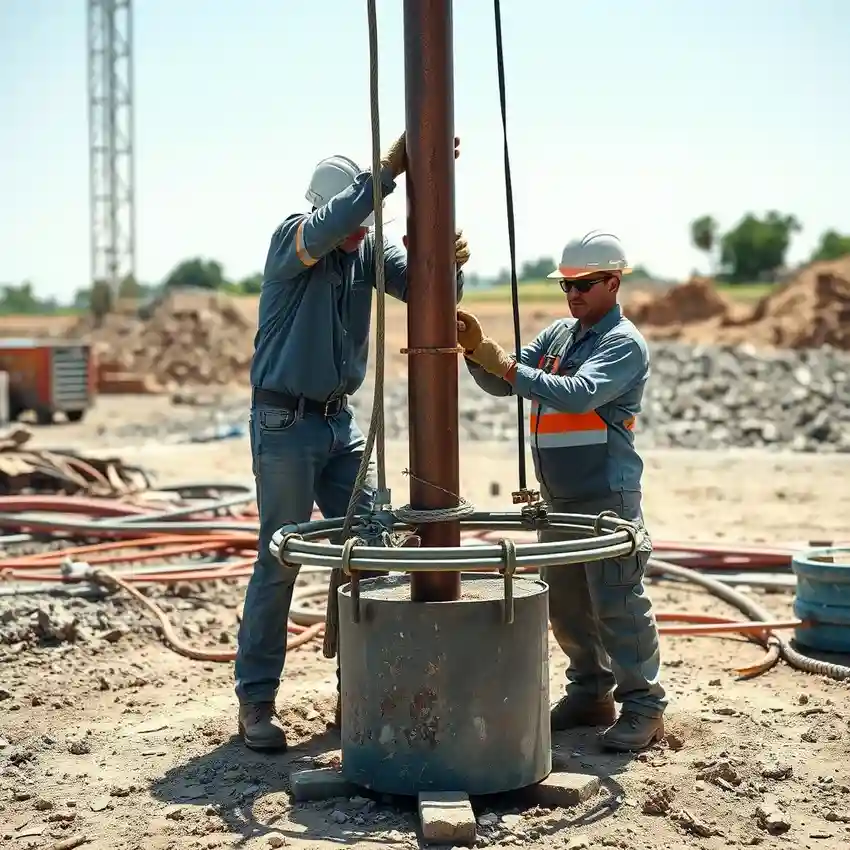
Our approach in Fresno begins with a comprehensive review of existing hydrogeologic data and regional well logs to understand the stratigraphy of the alluvial basin. Site-specific assessments then determine the optimal location and design for a successful well. The actual water well drilling process employs rotary or cable tool methods suited to the unconsolidated sediments and deeper consolidated formations encountered. We prioritize proper well construction, including sanitary sealing to protect the aquifer, followed by systematic development to maximize yield and ensure long-term performance and water quality.
Reference Technical Parameters
| Parameter | Reference Value |
|---|---|
| Predominant Soil Type | Alluvial sands, silts, and clays |
| Typical Groundwater Level (ft bgs) | 50 - 250 ft (variable with drought) |
| Bedrock Depth (ft bgs) | 500 - 1000+ ft (Great Valley Sequence) |
| Maximum Seismic Acceleration (PGA) | 0.4g - 0.6g (Site-Specific) |
| Typical SPT N60 Value Range | 10 - 40 (in alluvial deposits) |
Local Considerations — Fresno
Fresno's hydrogeology is dominated by the deep, complex alluvial deposits of the Central Valley aquifer system. Groundwater levels have experienced significant drawdown in many areas, necessitating deeper wells and careful pump sizing. Seismic activity, given the proximity to the San Andreas and other fault systems, requires well casing and design to accommodate potential ground motion. Conditions can vary considerably between the newer eastern developments and older agricultural lands to the west, impacting water quality and depth to water. A thorough hydrogeological survey is essential here to identify productive zones and avoid poor-quality water. For major regional projects, our primary technical hub coordinates efforts, including specialized water well drilling services from our Los Angeles team.
Request a Quote
Our team reviews your project and issues an initial report at no cost.
Or write us directly at [email protected]
Services in Fresno
Applicable Standards
- California Water Code
- Fresno County Well Ordinance
- DWR Bulletin 74
- SGMA (Sustainable Groundwater Management Act)
Frequently Asked Questions
What are the main soil and aquifer challenges for drilling a water well in Fresno?
The primary challenge is the heterogeneity of the alluvial fan deposits, with interbedded layers of clay, silt, sand, and gravel. This requires careful identification of productive coarse-grained zones for well screen placement. Additionally, declining water tables and the presence of agricultural-related constituents like nitrates or total dissolved solids in shallow zones necessitate deeper, properly constructed wells to ensure sustainable quantity and quality.
How does seismic activity influence well design and construction here?
Fresno is in a region of moderate to high seismic hazard. Well design must account for potential liquefaction in saturated, loose sandy layers and ground shaking. This influences the selection of casing materials (often steel), the integrity of the sanitary seal, and the grouting program to prevent aquifer contamination during a seismic event. Construction follows standards that incorporate seismic resilience.
Is a hydrogeologic study mandatory before drilling a new well in Fresno County?
While not always mandatory for all well types, Fresno County and state regulations under SGMA increasingly require detailed justification for new high-capacity wells, including a hydrogeologic study. This study assesses the aquifer's capacity, potential for subsidence, and impact on neighboring wells. For any significant extraction, a professional assessment is critical for permit approval and sustainable operation.