Methodology
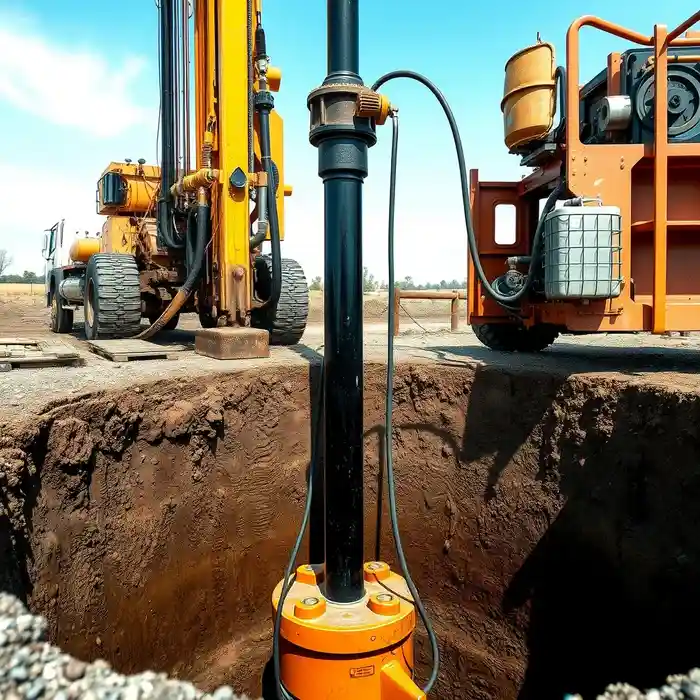
Our methodology for projects in Sunnyvale begins with a thorough review of existing geological survey data and well logs from the California Department of Water Resources. We then conduct a site-specific assessment to identify optimal drilling locations, considering factors like proximity to known subsurface structures and potential contamination sources. The actual water well drilling process employs techniques suited to the local unconsolidated sediments and deeper formations, with continuous monitoring of drilling parameters. Well development and testing are critical final steps to ensure yield and water quality meet project specifications.
Reference Technical Parameters
| Parameter | Reference Value |
|---|---|
| Predominant Soil Type | Unconsolidated Alluvial Deposits (Sand, Silt, Clay, Gravel) |
| Typical Groundwater Level (ft bgs) | 50 - 200 ft (variable with season and location) |
| Estimated Bedrock Depth (ft bgs) | Several hundred to over 1000 ft (Santa Clara Formation) |
| Seismic Design Category | High (per local building code) |
| Typical SPT N60 Value Range | Wide variability (5 to 50+ blows/ft) based on soil density and layer |
Local Considerations — Sunnyvale
Sunnyvale's location within the Santa Clara Valley presents distinct considerations for water well projects. The subsurface primarily consists of unconsolidated Quaternary alluvial deposits, including sands, gravels, and clays, which can vary significantly over short distances. Groundwater levels are subject to seasonal fluctuation and long-term management under the Sustainable Groundwater Management Act (SGMA). The high seismic activity of the region requires well casing and construction designs that account for potential liquefaction in loose, saturated sands. Projects in the northern areas near the Bay may encounter different soil conditions and salinity concerns compared to southern sites. For a comprehensive understanding of site-specific water-bearing zones, a detailed hydrogeological survey is strongly recommended prior to drilling. For major regional projects, our primary operational hub provides extensive support; learn more about our water well drilling services from our Los Angeles team.
Request a Quote
Our team reviews your project and issues an initial report at no cost.
Or write us directly at [email protected]
Services in Sunnyvale
Applicable Standards
- California Water Code
- Sustainable Groundwater Management Act (SGMA)
- Local Sunnyvale Municipal Code
- California Building Code (CBC) Seismic Provisions
- Alameda County Water District Regulations
Frequently Asked Questions
What are the main soil challenges for water well drilling in Sunnyvale?
The primary challenge is the heterogeneity of the alluvial fan deposits. Drilling can rapidly transition between loose sands, which may be prone to caving, and dense clay layers or gravel beds. This variability requires adaptable drilling techniques and careful well design, including proper screen selection and gravel pack, to ensure a stable, efficient, and sand-free well.
How does seismic activity influence well construction here?
Sunnyvale is in a region with high seismic hazard. Well design must consider ground shaking and potential liquefaction, especially in saturated, loose sandy layers. This influences decisions on casing material (often steel), casing depth through unstable zones, and the integrity of the sanitary seal to prevent aquifer contamination during seismic events.
Are permits and studies mandatory before drilling a water well in Sunnyvale?
Yes. A permit from the local county or water district is required. For most non-exempt wells, documentation, including a proposed well location and often a hydrogeological report, must be submitted. Compliance with the Sustainable Groundwater Management Act (SGMA) may also necessitate additional studies for larger extraction projects to demonstrate sustainable use.