Methodology
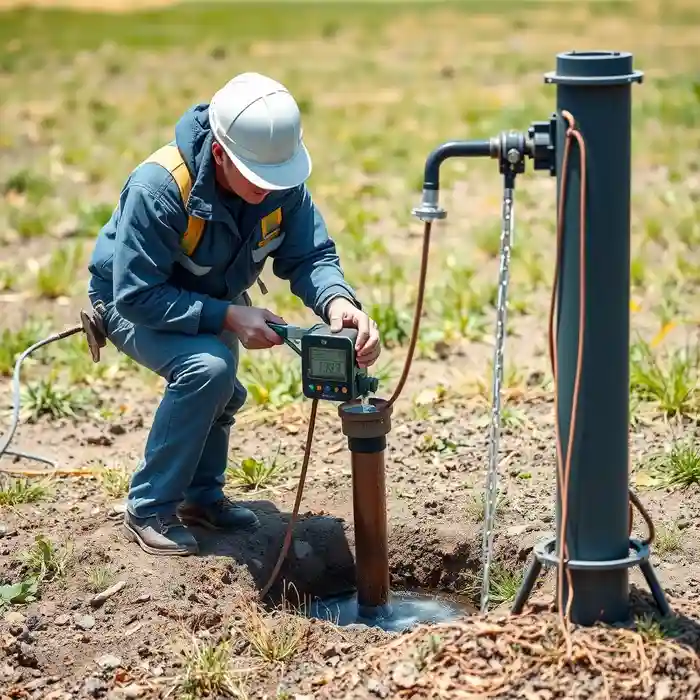
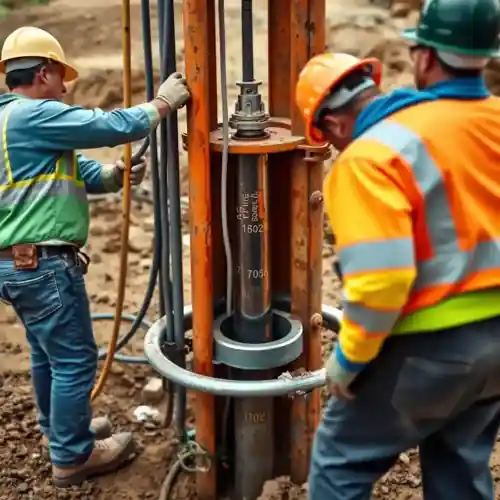
Our approach in San Jose begins with a comprehensive site-specific assessment to identify the optimal aquifer target within the valley's layered sediments. We then execute the water well drilling process using techniques suited to the local soil conditions, often involving rotary methods to penetrate through varied alluvial deposits and cobble layers. Throughout drilling, we carefully log formation samples and monitor water levels. The well is then properly cased, developed to maximize sustainable yield, and tested to confirm performance and water quality, ensuring a reliable source that integrates seamlessly with the local hydrogeological system.
Reference Technical Parameters
| Parameter | Reference Value |
|---|---|
| Predominant Soil Type | Alluvial deposits (sands, gravels, silts, clays with cobbles) |
| Maximum Seismic Acceleration (PGA) | Up to 0.6g (Site-Specific) |
| Typical Groundwater Level Depth | Variable, historically 10-200 ft below surface |
| Typical Bedrock Depth | Greater than 500 ft in central basin |
| Typical Cobble Size | 3 inches to 12+ inches in diameter |
Local Considerations — San Jose
1. **Geology & Aquifers**: The primary source is the Santa Clara Valley alluvial aquifer, a complex system of interbedded sands, gravels, silts, and clays, with significant cobble layers that can challenge drilling. 2. **Groundwater Depth**: Water levels have historically fluctuated greatly; a detailed hydrogeological survey is critical to determine current static levels and sustainable yields. 3. **Seismic Activity**: High seismicity requires well design and construction practices that account for liquefaction potential in loose, saturated sands and ground shaking. 4. **Urban Contrasts**: Well feasibility and design differ markedly between the deeper, more permeable central basin areas and the shallower, tighter soils near the foothills. 5. **Typical Projects**: We commonly address needs for agricultural irrigation in remaining rural parcels and supplemental water for large commercial properties, ensuring compliance with Santa Clara Valley Water District regulations. For major regional operations, learn about our water well drilling services from our Los Angeles hub.
Request a Quote
Our team reviews your project and issues an initial report at no cost.
Or write us directly at [email protected]
Services in San Jose
Applicable Standards
- Santa Clara Valley Water District Well Standards
- California Department of Water Resources Codes
- Local County Well Ordinance Titles
- Seismic Design Criteria per California Building Code
Frequently Asked Questions
What are the main soil challenges for drilling a water well in San Jose?
The primary challenge is the heterogeneous alluvial deposits containing large, hard cobbles that can damage drilling equipment and slow progress. Additionally, layers of fine sand and silt pose risks for well sanding if not properly screened. Our methodology is specifically adapted to identify and efficiently penetrate these variable formations to construct a stable, productive well.
How does seismic activity influence well design here?
San Jose's high seismic risk requires wells to be designed to withstand ground shaking and mitigate liquefaction effects. This influences decisions on casing material, strength, and grouting procedures to ensure the well's structural integrity and to prevent aquifer contamination during a seismic event, adhering strictly to California building code amendments for well construction.
Is a hydrogeological study mandatory before drilling a well in San Jose?
While not always mandated by code for every property, a professional hydrogeological study is highly recommended and often required by the Santa Clara Valley Water District for new appropriations. It is a critical step to assess aquifer sustainability, avoid interference with existing wells, determine optimal depth and yield, and ensure the long-term viability and legal compliance of your water supply.