Methodology
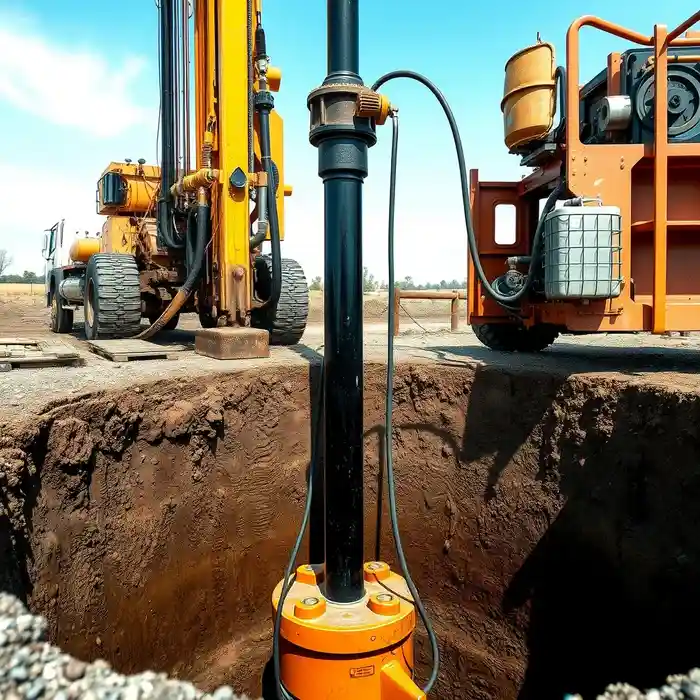
Our approach in Long Beach begins with a comprehensive site assessment to understand the local aquifer systems, primarily within the San Pedro Formation and younger alluvial deposits. We employ advanced techniques for water well drilling tailored to the specific soil and sediment sequences encountered, which often include interbedded sands, silts, and clays. The process involves careful well design to manage artesian conditions near the coast and to prevent saltwater intrusion, followed by proper development and testing to optimize yield and ensure water quality meets intended use standards.
Reference Technical Parameters
| Parameter | Reference Value |
|---|---|
| Predominant Soil Type | Unconsolidated sands, silts, and clays (Alluvial/Marine) |
| Typical Groundwater Depth | 10 - 100 feet below ground surface (variable) |
| Bedrock Depth | Generally > 500 feet (Puente Formation) |
| Maximum Seismic Acceleration (PGA) | 0.4g - 0.6g (Site-Specific) |
| Potential for Saltwater Intrusion | High in coastal zones |
Local Considerations — Long Beach
Long Beach's groundwater landscape is defined by five key factors. First, the predominant geology consists of unconsolidated Quaternary alluvial and marine sediments, creating highly variable aquifer productivity over short distances. Second, groundwater levels are generally shallow but can be artesian in confined aquifers, and are heavily influenced by historical pumping and managed aquifer recharge. Third, the city is in a high seismic hazard zone, requiring well casings and designs that account for liquefaction potential in loose, saturated sands. Fourth, conditions differ significantly between the coastal areas, where saltwater intrusion is a critical risk requiring careful hydrogeological survey, and inland areas where deeper, freshwater aquifers may be targeted. Fifth, typical projects involve navigating a complex overlay of water rights, water quality regulations from the Los Angeles Regional Water Quality Control Board, and local municipal codes, making professional guidance essential. For broader regional expertise, our team also provides comprehensive water well drilling services from our Los Angeles hub.
Request a Quote
Our team reviews your project and issues an initial report at no cost.
Or write us directly at [email protected]
Services in Long Beach
Applicable Standards
- California Water Code
- Long Beach Municipal Code
- Los Angeles Regional Water Quality Control Board Regulations
- Well Standards (California Department of Water Resources)
Frequently Asked Questions
What types of soil conditions are most challenging for water well drilling in Long Beach?
The interbedded layers of fine sands and silts are particularly challenging due to their potential for caving during drilling and for producing fine sediment in the well water if not properly developed. Additionally, encountering shallow, loose saturated sands in high water table areas requires specific techniques to mitigate liquefaction risks during well construction.
How does local seismic activity influence well design and construction?
High seismic acceleration values mandate that well casings, especially in areas with liquefiable soils, be designed with sufficient strength and flexibility. Proper grouting and sealing are critical to prevent well failure during ground shaking and to maintain the integrity of the aquifer seal, protecting groundwater from surface contaminants.
Is a hydrogeological study mandatory before drilling a water well in Long Beach?
While not always mandated by code for every single-family property, a professional hydrogeological study is highly recommended and often required for commercial, industrial, or multi-family projects. It is essential for determining optimal well placement, predicting yield, assessing water quality risks like saltwater intrusion, and securing the necessary permits from local and regional water authorities.