Methodology
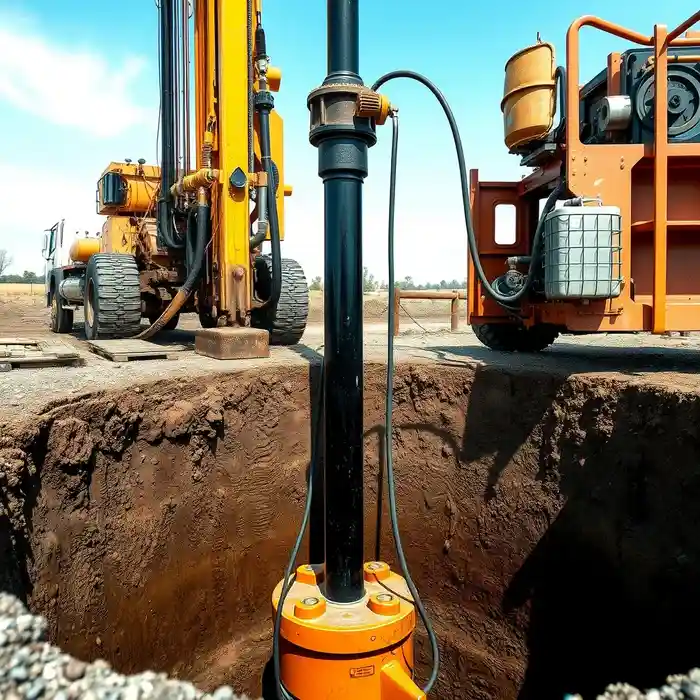
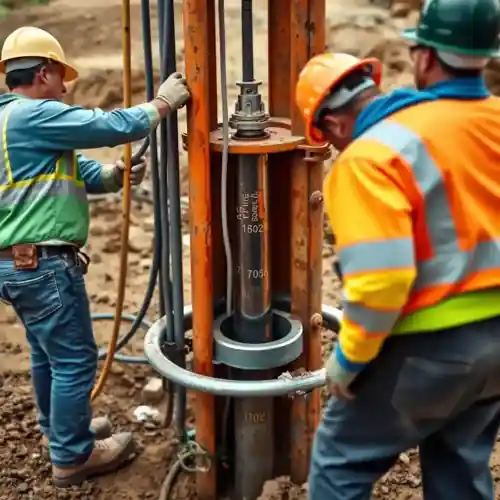
Our methodology for projects in Torrance begins with a comprehensive site evaluation to understand the subsurface conditions. This informs the strategic planning of the water well drilling operation. We assess factors such as the depth to water-bearing strata, potential for saltwater intrusion, and soil characteristics to select the appropriate drilling technology and well design. The process is executed with precision, followed by systematic well development to optimize yield and longevity, ensuring each project is built on a foundation of accurate hydrogeological data.
Reference Technical Parameters
| Parameter | Reference Value |
|---|---|
| Predominant Soil Type | Interbedded sands, silts, and clays |
| Maximum Seismic Acceleration (PGA) | 0.4g - 0.6g (Zone 4, CEC 2022) |
| Typical Groundwater Level Depth | Variable, 50 - 200 ft below surface |
| Bedrock Depth | Generally > 500 ft in basin areas |
| Typical Aquifer Yield | Moderate, dependent on specific stratum |
Local Considerations — Torrance
Torrance presents unique hydrogeological challenges. The city overlies a portion of the Los Angeles Coastal Plain, characterized by interbedded layers of sand, silt, and clay, which can create confined and semi-confined aquifers. Groundwater levels are variable and influenced by regional extraction and recharge. Proximity to the Pacific Ocean necessitates careful well design and placement to mitigate saltwater intrusion, particularly in western neighborhoods. Seismic activity requires robust well casing and grouting specifications. For complex sites, a detailed hydrogeological survey is critical. For comprehensive regional services, explore our operations for water well drilling services from Los Angeles.
Request a Quote
Our team reviews your project and issues an initial report at no cost.
Or write us directly at [email protected]
Services in Torrance
Applicable Standards
- California Water Code
- Los Angeles County Department of Public Health Regulations
- Local Municipal Codes (Torrance)
- California Building Code (CBC) Seismic Provisions
Frequently Asked Questions
What soil and aquifer conditions are typical for well drilling in Torrance?
Torrance is underlain by the sediments of the Los Angeles Basin, primarily consisting of alternating layers of permeable sand and gravel and less permeable silt and clay. These layers form multiple aquifers, some of which may be under pressure. Understanding this stratification is crucial for well screen placement to target productive zones and avoid poor-quality water.
How does seismic activity influence well construction standards here?
As part of a high seismic hazard zone, well construction in Torrance must account for ground shaking and potential liquefaction in certain soil types. Regulations and engineering best practices require proper well casing selection, grouting to prevent aquifer contamination, and securing of all wellhead components to maintain integrity during seismic events.
Is a professional hydrogeological study mandatory before drilling a well in Torrance?
While not always mandated by code for every residential well, a professional study is highly recommended and often required for commercial projects or in areas with known water quality challenges. It is a critical step for securing permits, ensuring a sustainable water supply, and protecting your investment by identifying the optimal location and depth for drilling.