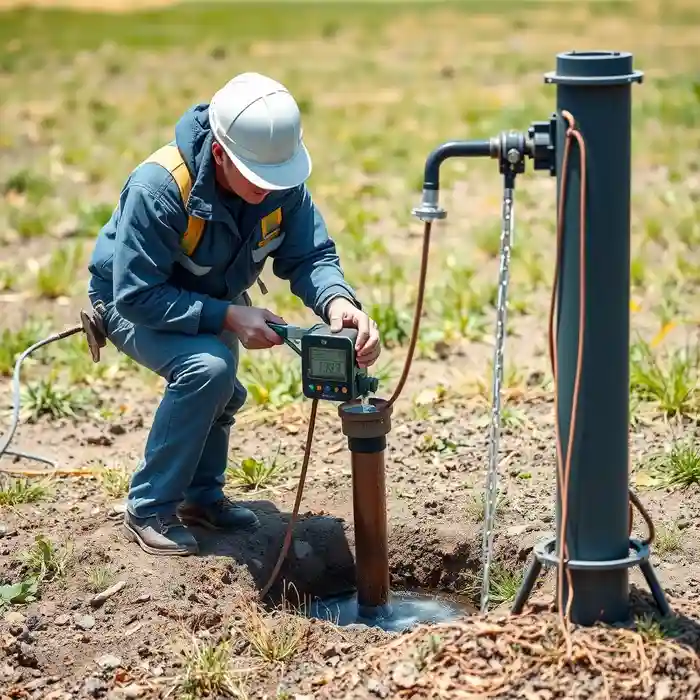
Methodology
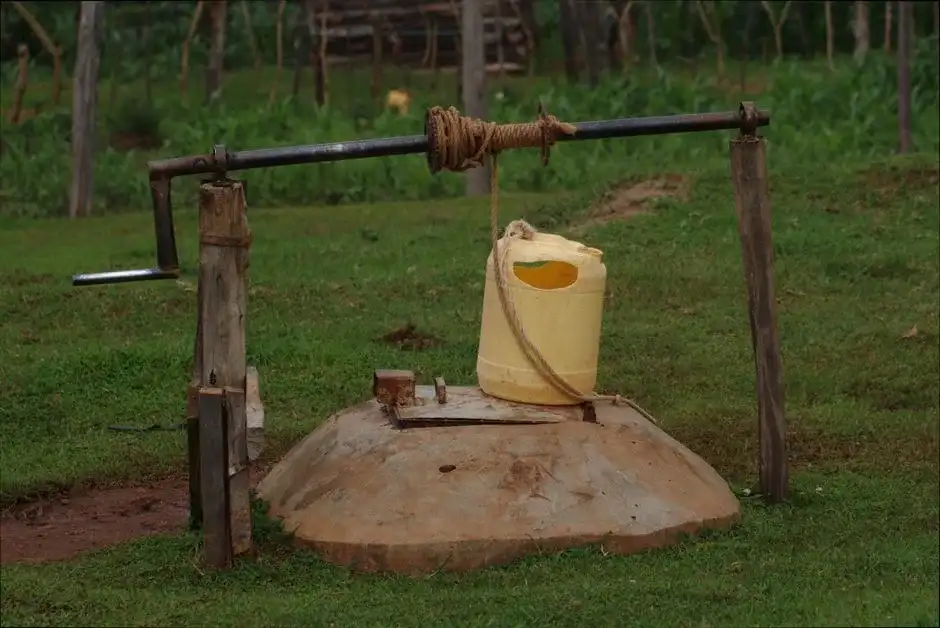
Our approach in Pomona begins with a comprehensive site assessment to evaluate the subsurface conditions specific to the valley. This informs the strategic planning for the water well drilling operation. We select drilling techniques—often rotary or cable tool—based on the anticipated depth to water-bearing strata and the nature of the overburden materials. Throughout the process, we conduct careful logging of soil and rock cuttings, monitor drilling parameters, and prioritize the sanitary sealing of the well to protect the aquifer. The final step involves well development to maximize yield and water clarity from the targeted zone.
Reference Technical Parameters
| Parameter | Reference Value |
|---|---|
| Predominant Soil Type | Alluvial sand, gravel, and clay sequences |
| Maximum Seismic Acceleration (PGA) | 0.4g - 0.6g (Site-Specific) |
| Typical Groundwater Level | 50 - 200 feet below surface |
| Bedrock Depth | Highly variable, often 100 - 400+ feet |
| Aquifer Transmissivity | Moderate to High |
Local Considerations — Pomona
Pomona's geology is characterized by deep alluvial deposits from the San Gabriel Mountains, creating a complex, multi-layered aquifer system. The water table depth can vary significantly, often requiring deeper wells in southern areas compared to northern sections. Seismic activity is a critical design factor, influencing well casing specifications. Contrasts between older, established neighborhoods and newer developments can affect land access and previous subsurface disturbances. A typical case involves navigating dense clay layers to reach productive gravel aquifers, a process where a preliminary hydrogeological survey is invaluable. For broader regional expertise, our team also provides comprehensive water well drilling services from our Los Angeles hub.
Request a Quote
Our team reviews your project and issues an initial report at no cost.
Or write us directly at [email protected]
Services in Pomona
Applicable Standards
- California Water Code
- Pomona Municipal Code
- Los Angeles Regional Water Quality Control Board Regulations
- Well Standards (Bulletin 74)
Frequently Asked Questions
What are the common soil and geological challenges for water well drilling in Pomona?
The primary challenge is the heterogeneity of the alluvial fan deposits, which can include interbedded layers of clay, silt, sand, and gravel. These layers can vary greatly over short distances, impacting drilling speed, well screen selection, and ultimate yield. Encountering dense, cemented layers or large cobbles is also common, requiring adaptable drilling equipment and techniques.
How does seismic activity influence well construction standards in Pomona?
Pomona is in a seismically active region. Well construction must account for potential ground shaking and liquefaction in certain soil types. This influences the design of the well casing, including material strength, joint types, and grouting procedures to ensure the well's integrity and prevent aquifer contamination during and after a seismic event, as guided by state and local codes.
Is a hydrogeological study required before drilling a water well in Pomona?
While not always mandated by the city for every single-family residential well, a professional hydrogeological study is highly recommended and often required for commercial, agricultural, or municipal wells. It is essential for determining the optimal location, depth, and yield potential, and is a prerequisite for obtaining a permit from the relevant water board, ensuring legal and sustainable water extraction.