Methodology
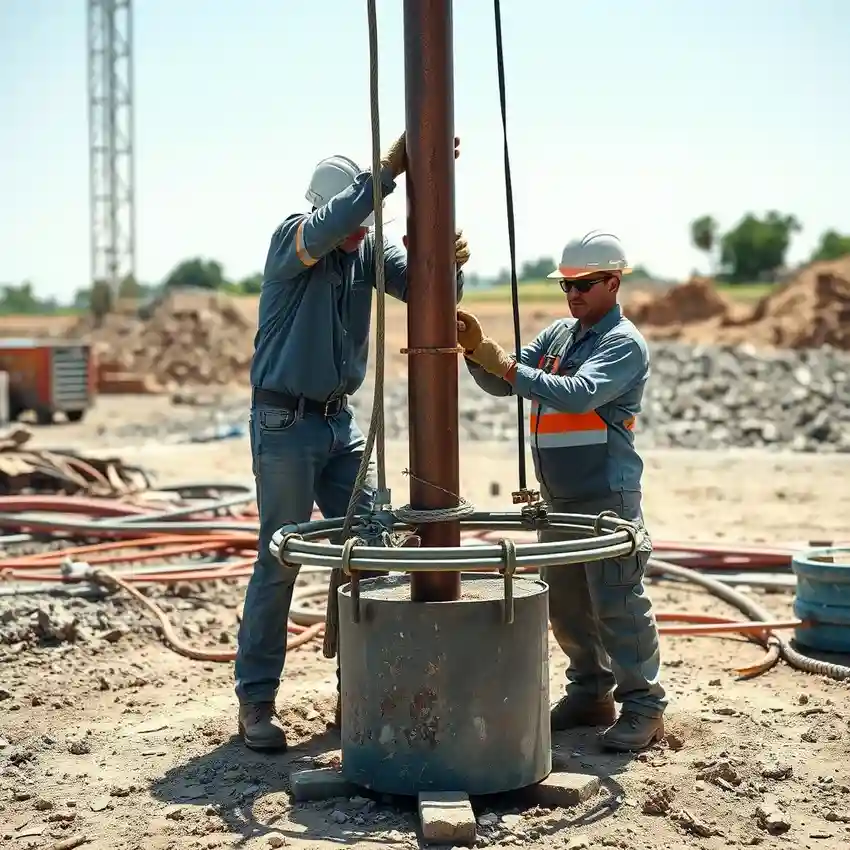
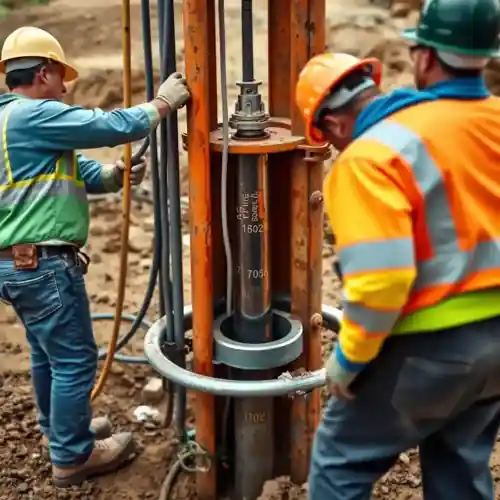
Our approach in San Bernardino begins with a comprehensive site assessment to understand the complex interplay of alluvial deposits and deeper sedimentary formations. We prioritize identifying the optimal aquifer zone, considering both water quality and sustainable yield. The subsequent water well drilling process is tailored to local soil conditions, employing techniques designed to ensure well integrity and longevity, even in areas with challenging lithology or variable water tables.
Reference Technical Parameters
| Parameter | Reference Value |
|---|---|
| Predominant soil type | Alluvial sands, gravels, and silts |
| Maximum seismic acceleration (PGA) | 0.4g - 0.6g (Zone 4, CGS) |
| Typical groundwater level depth | Variable, 50 - 300 ft below surface |
| Bedrock depth | Highly variable, 100 - 500+ ft in valleys |
| Typical SPT N60 range | 10 - 50 blows/ft in alluvial materials |
Local Considerations — San Bernardino
1. The local geology features deep alluvial basins filled with heterogeneous sediments, requiring detailed pre-drilling analysis to locate productive zones. 2. Groundwater levels have experienced historical fluctuations due to agricultural and urban pumping, influencing well depth design. 3. High seismic activity necessitates well casing and construction methods that comply with stringent codes for resilience. 4. Conditions contrast between the valley floors and the surrounding foothills, impacting drilling strategy and potential yield. 5. A thorough hydrogeological survey is critical here to assess water quality risks from historical land use and to ensure sustainable aquifer management. For major regional projects, our team often coordinates with our central hub for comprehensive water well drilling services from Los Angeles.
Request a Quote
Our team reviews your project and issues an initial report at no cost.
Or write us directly at [email protected]
Services in San Bernardino
Applicable Standards
- California Department of Water Resources Regulations
- San Bernardino County Well Standards
- California Building Code (CBC) Seismic Provisions
- Sustainable Groundwater Management Act (SGMA)
Frequently Asked Questions
What are the common soil and rock conditions encountered during well drilling in San Bernardino?
Drillers typically encounter thick sequences of unconsolidated alluvial materials—alternating layers of sand, gravel, silt, and clay—deposited by ancient rivers and streams. These overlie older sedimentary bedrock formations. The heterogeneity of these deposits makes accurate formation identification crucial for successful well screen placement and development.
How does seismic activity in San Bernardino influence well construction?
San Bernardino is in a high seismic hazard zone. Well construction must account for potential ground shaking and liquefaction in loose, saturated soils. This influences decisions on casing material, grouting procedures, and wellhead design to prevent structural failure or aquifer contamination during a seismic event, as guided by state and county codes.
Is a groundwater study mandatory before drilling a well in San Bernardino County?
While permits always require specific details, a formal hydrogeological study may be mandated for certain well types, large-capacity productions, or within critically overdrafted groundwater basins under SGMA. Even when not strictly required, such a study is highly recommended to ensure regulatory compliance, protect the aquifer, and optimize the well's design and long-term performance.