Methodology
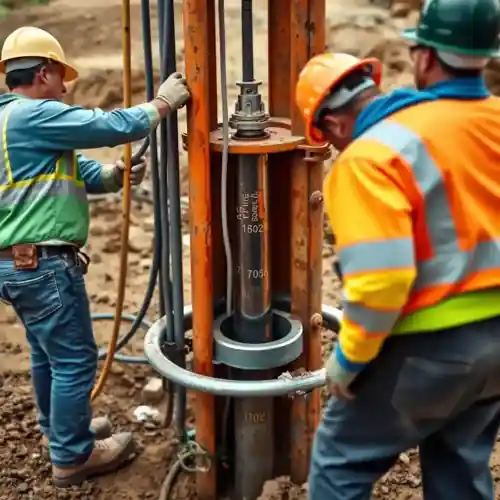
Our approach to water well drilling in Hayward begins with a thorough understanding of the site-specific hydrogeology adjacent to the Hayward Fault zone. We assess soil and rock sequences, potential fault-related groundwater barriers, and the depth to usable aquifers. This foundational knowledge directly informs our drilling strategy, whether we encounter the deep, consolidated sedimentary rocks of the hills or the shallower alluvial deposits near the bay. Every phase, from planning to development, is executed with precision to ensure a sustainable and code-compliant water source, integrating best practices for water well drilling in seismically active regions.
Reference Technical Parameters
| Parameter | Reference Value |
|---|---|
| Predominant Soil/Rock Type | Alluvium (West), Franciscan Complex Bedrock (East) |
| Maximum Seismic Acceleration (PGA) | >0.6g (Near Fault) |
| Typical Groundwater Level Depth | Highly Variable (10-200+ ft) |
| Bedrock Depth | Surface (Hills) to >100 ft (Valley) |
| Typical Well Casing Requirement | Steel, Seismic-Grade Grouting |
Local Considerations — Hayward
Hayward's geology is dominated by the Hayward Fault, creating distinct hydrogeological zones. The eastern hills feature deep, fractured bedrock aquifers requiring robust drilling techniques, while western areas have shallower, alluvial groundwater influenced by bay proximity and salinity risks. Seismic activity mandates strict well casing and grouting specifications to prevent aquifer contamination during ground movement. Water rights and permitting through Alameda County Water District and the State Water Resources Control Board are critical first steps. A site-specific hydrogeological survey is not just recommended but often essential to identify viable aquifer zones and avoid drilling into fault gouge, which can yield little to no water. For major regional projects, our centralized team provides extensive support for water well drilling in Los Angeles.
Request a Quote
Our team reviews your project and issues an initial report at no cost.
Or write us directly at [email protected]
Services in Hayward
Applicable Standards
- California Water Code
- Alameda County Well Standards
- SWRCB Permitting (Chapter 15)
- Local Seismic Building Codes
Frequently Asked Questions
How does the Hayward Fault impact well drilling locations and yields?
The fault can act as a barrier to groundwater flow, compartmentalizing aquifers. Yields can be high on one side and very low on the other. Drilling through fault gouge (crushed rock) typically produces poor yields. A detailed pre-drilling investigation is crucial to site a well in a productive hydrogeologic block, avoiding the fault's low-permeability core.
What are the key regulatory considerations for a new well in Hayward?
Primary regulations involve securing appropriate water rights, obtaining a permit from the Alameda County Water District or the state, and adhering to strict construction standards designed for seismic zones. These standards specify well casing materials, grouting procedures, and setback distances from contaminants to protect groundwater quality during seismic events.
Is a hydrogeological study mandatory before drilling a well in Hayward?
While not always legally mandatory for single domestic wells, it is highly advised due to the complex and variable subsurface conditions. For commercial, agricultural, or municipal wells, and for any property near the known fault trace, regulatory agencies often require a professional study to justify the well location, design, and predicted sustainable yield.