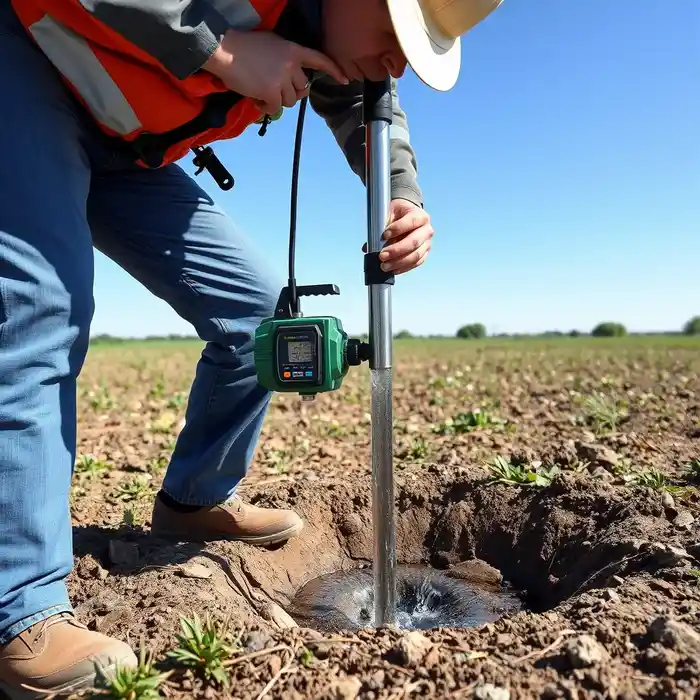
Methodology
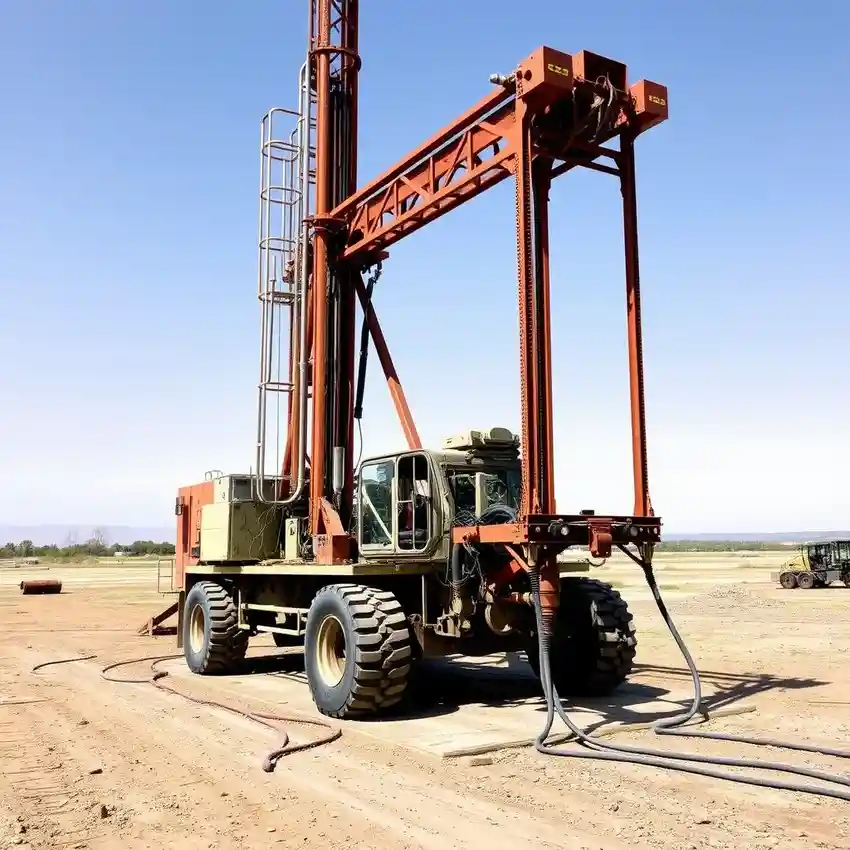
Our approach in Honolulu begins with a thorough site assessment to understand the local volcanic stratigraphy. We then employ specialized rotary drilling techniques suitable for penetrating basalt flows and weathered volcanic soils. Throughout the drilling process, we carefully log formation samples and monitor water-bearing zones. The final step involves a comprehensive well development process to ensure optimal yield and water clarity, a critical phase given the island's geology. For a detailed breakdown of our techniques, please see our dedicated page on water well drilling.
Reference Technical Parameters
| Parameter | Reference Value |
|---|---|
| Predominant Soil/Rock Type | Weathered Basalt, Volcanic Ash, Coral Sands |
| Typical Groundwater Level (ft below surface) | Variable, 10 - 300 ft |
| Bedrock Depth | Shallow to Surface |
| Maximum Seismic Acceleration (PGA) | Up to 0.4g (Zone 4 per local code) |
| Typical Basal Lens Thickness | 200 - 900 ft |
Local Considerations — Honolulu
Honolulu's groundwater landscape is defined by its volcanic origin. The primary aquifer is the basal lens, a freshwater layer floating on denser saltwater, with its thickness and depth varying significantly. In coastal areas like Waikiki, the risk of saltwater intrusion necessitates precise drilling depth control and careful pump placement. Inland, such as near the foothills of the Ko'olau Range, perched aquifers in weathered volcanic rock can be productive but are highly localized. High seismic activity requires robust well casing designs. A preliminary hydrogeological survey is highly recommended to identify the optimal aquifer target. For large-scale projects on the mainland, our primary hub offers extensive resources for water well drilling in Los Angeles.
Request a Quote
Our team reviews your project and issues an initial report at no cost.
Or write us directly at [email protected]
Services in Honolulu
Applicable Standards
- Hawaii Administrative Rules, Chapter 13-168 (Water Wells)
- Honolulu County Building Code (Adapted IBC with seismic provisions)
- EPA Underground Injection Control (UIC) Regulations
Frequently Asked Questions
What are the main soil and rock challenges for drilling a water well in Honolulu?
The primary challenges involve Honolulu's volcanic geology. Drilling often encounters dense basalt layers, which require robust equipment, and highly variable formations like volcanic ash or clinker zones that can cause cave-ins. Differentiating between saltwater and the freshwater basal lens is also a critical technical consideration that guides drilling depth and well design.
How does Honolulu's high seismic activity affect well construction?
Seismic activity mandates stringent construction standards. Well casings must be properly grouted and anchored to prevent collapse or shearing during an earthquake. Pump installations, especially submersible pumps, require secure setting to avoid damage. Our designs always incorporate seismic resilience to protect your long-term water investment.
Is a permit required to drill a water well on Oahu?
Yes. The Hawaii State Department of Health, Safe Drinking Water Branch, regulates all water well construction through a permitting process. This includes reviewing the proposed well location, depth, and construction details to protect groundwater resources and prevent contamination. Our team manages the entire permitting process for our clients.