Methodology
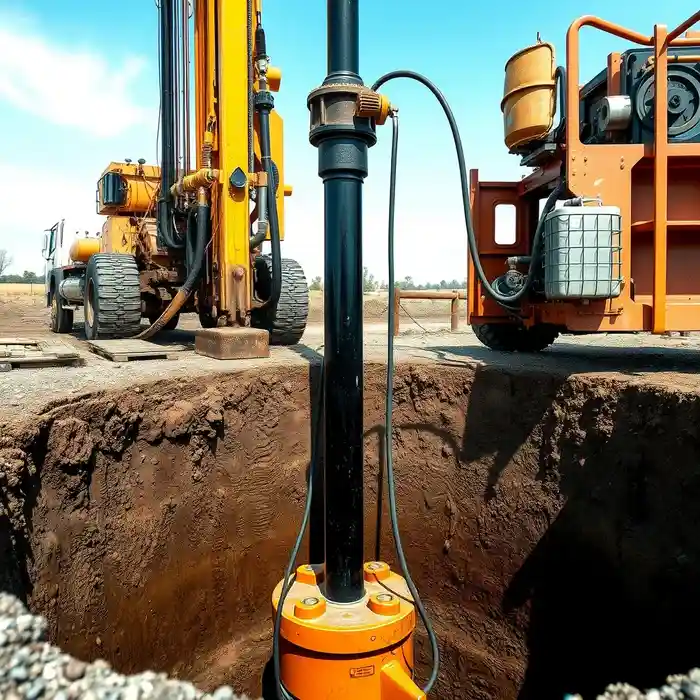
Our approach in San Diego begins with a comprehensive regional assessment to identify viable aquifer targets, considering the interplay of alluvial basins and fractured bedrock. We employ advanced water well drilling techniques suitable for the varied subsurface conditions, from unconsolidated sediments to hard rock formations. Each phase, from site selection to development, integrates seismic resilience considerations and strict adherence to California Department of Water Resources and local county regulations to construct a durable and efficient water well.
Reference Technical Parameters
| Parameter | Reference Value |
|---|---|
| Predominant Soil Type | Alluvial sands & clays (coastal valleys); Decomposed granite & bedrock (inland) |
| Typical Groundwater Level Depth | 10 - 150 feet below ground surface (highly variable) |
| Bedrock Depth | 0 - 100 feet (surface in mountains, deep in basins) |
| Maximum Seismic Acceleration (PGA) | 0.4g - 0.6g (Seismic Zone 4, per CBC) |
| Typical Aquifer Yield | 5 - 500 gallons per minute (site dependent) |
Local Considerations — San Diego
San Diego's groundwater landscape is defined by several key factors. First, the primary aquifers are within alluvial valleys like the San Diego River Valley and the fractured bedrock of the Peninsular Ranges. Second, groundwater levels are highly variable, often deep in coastal basins and subject to seasonal fluctuation. Third, the region's high seismic hazard necessitates well design that accounts for liquefaction potential in sandy soils and ground shaking. Fourth, conditions differ significantly between coastal plains, inland valleys, and mountainous areas, requiring tailored strategies. Finally, securing water rights and navigating the complex jurisdiction of local water districts is a critical initial step. A detailed hydrogeological survey is indispensable for navigating these complexities, much like the foundational work required for major projects handled by our team providing water well drilling services from our Los Angeles hub.
Request a Quote
Our team reviews your project and issues an initial report at no cost.
Or write us directly at [email protected]
Services in San Diego
Applicable Standards
- California Water Code
- Local County Well Ordinances
- California Building Code (CBC) Seismic Provisions
- Sustainable Groundwater Management Act (SGMA) where applicable
Frequently Asked Questions
What are the main soil and rock challenges for drilling a water well in San Diego?
Drillers commonly encounter alternating layers of hard, abrasive rock (like granite) and unconsolidated alluvial deposits. The rock requires robust drilling equipment, while the loose sands and clays in valleys pose challenges with borehole stability and require careful casing and sealing to prevent collapse and surface contamination.
How does seismic activity influence well design and construction here?
San Diego is in a high seismic zone. Well design must consider liquefaction potential in saturated sandy soils, which can compromise casing integrity. Wells are constructed with materials and grouting techniques that allow for flexibility and durability during ground shaking, as mandated by state and local building codes.
Is a hydrogeological study mandatory before drilling a well in San Diego County?
While not always mandated by code for every single-family residential well, a professional hydrogeological study is highly recommended and often required by local water districts or for commercial/agricultural projects. It is critical for determining water availability, optimal drilling location, avoiding interference with existing wells, and securing the necessary permits.