Methodology
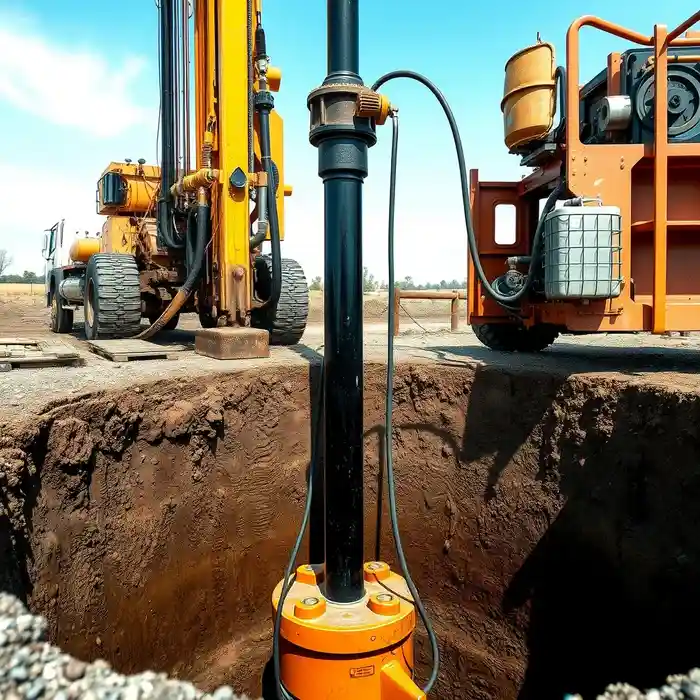
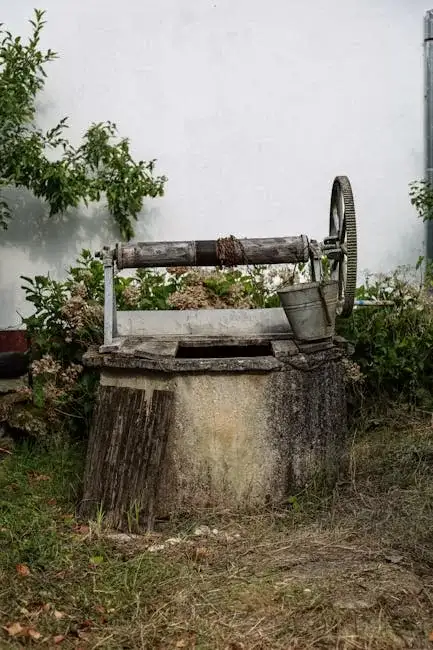
Our approach in Henderson begins with a thorough understanding of the local aquifer systems, primarily within the alluvial basins. We prioritize a site-specific strategy that respects the delicate balance of the desert ecosystem. This involves evaluating historical water level data, assessing recharge zones, and selecting drilling techniques—such as rotary or percussion—best suited to the anticipated subsurface conditions, which often include unconsolidated sediments overlying fractured bedrock. Each phase, from initial assessment to final development, is conducted with precision to ensure the longevity and efficiency of the well. For a detailed breakdown of our technical process, please see our page on water well drilling.
Reference Technical Parameters
| Parameter | Reference Value |
|---|---|
| Predominant Soil Type | Alluvial deposits (sand, gravel, clay), Caliche layers |
| Typical Groundwater Depth | Significant depth, variable with location and historical use |
| Bedrock Depth | Variable, often tens to hundreds of feet below surface |
| Seismic Design Category | High, per local building code adaptations of IBC |
| Typical Well Casing Diameter | 6 to 12 inches, based on yield and depth |
Local Considerations — Henderson Nevada
Henderson's geology and urban landscape present specific considerations for groundwater development. The city sits on the Las Vegas Valley groundwater basin, characterized by deep alluvial deposits. Water levels have historically declined, making accurate depth estimation crucial. Seismic activity, given the proximity to fault lines, necessitates robust well casing design. Contrasts exist between older neighborhoods with established wells and new developments requiring virgin drilling, often encountering varying soil compaction. A common challenge is drilling through cemented caliche layers before reaching productive water-bearing zones. For projects requiring detailed aquifer analysis, a preliminary hydrogeological survey is highly recommended. Furthermore, for comprehensive regional services, explore our expertise in water well drilling from our Los Angeles hub.
Request a Quote
Our team reviews your project and issues an initial report at no cost.
Or write us directly at [email protected]
Services in Henderson Nevada
Applicable Standards
- Nevada State Engineer's Regulations (Chapter 534 of NAC)
- Henderson Municipal Code
- Safe Drinking Water Act (SDWA) standards
- Local building codes addressing seismic design
Frequently Asked Questions
What are the main soil and geological challenges for drilling a water well in Henderson?
The primary challenges include penetrating dense, cemented caliche layers common in the area, which can slow drilling progress and require specialized bits. Additionally, the alluvial sediments can be highly variable, with alternating layers of coarse gravel and fine clays, impacting well screen selection and development. Understanding this heterogeneity is key to a successful and productive well.
How does seismic activity in the Henderson area influence well construction?
Seismic risk requires that wells be constructed to withstand ground shaking. This influences critical design elements such as the selection and grouting of the well casing to prevent collapse or shearing. Proper sanitary seal integrity is also paramount to protect the aquifer from surface contamination during a seismic event, adhering to stringent local code requirements.
Is a permit always required from the State Engineer before drilling a well in Henderson?
Yes. Nevada operates under the doctrine of prior appropriation, and the State Engineer's office must issue a permit for most well drilling. This process involves proving water availability, defining the intended use, and often requires a detailed well log and completion report. Drilling without a permit is illegal and can result in severe penalties and well abandonment.