Methodology
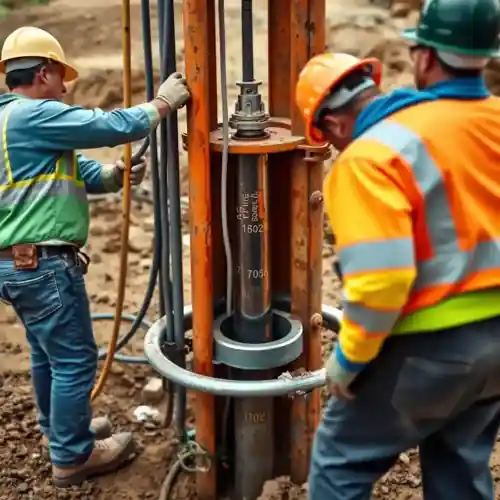
Our approach in Moreno Valley begins with a comprehensive site assessment to understand the local subsurface conditions. This informs the strategic planning for water well drilling, ensuring the selected method and depth are optimized for the target aquifer, typically within the Moreno Formation or the Bautista Beds. We prioritize techniques that manage the area's variable sediment layers and potential for hard rock, always adhering to state and local permitting requirements to secure a sustainable and compliant water source.
Reference Technical Parameters
| Parameter | Reference Value |
|---|---|
| Predominant Soil Type | Alluvial deposits (sandy loam to clayey sand) |
| Maximum Seismic Acceleration (PGA) | 0.4g - 0.6g (Site-Specific) |
| Typical Groundwater Level Depth | 50 - 300 feet below ground surface |
| Bedrock Depth | Highly variable; 100 - 500+ feet |
| Typical SPT N60 Value Range | 15 - 50 blows/foot (variable by stratum) |
Local Considerations — Moreno Valley
1. The subsurface in Moreno Valley is characterized by heterogeneous alluvial fans and sedimentary deposits, with groundwater levels that have experienced historical fluctuation. 2. Seismic activity is a critical design factor, requiring well casings and construction methods that account for ground motion, as the city is within a zone of moderate to high seismic hazard. 3. A marked contrast exists between the more permeable, gravelly soils in northern sectors and the tighter, finer-grained sediments in southern areas, directly impacting well yield and development strategy. 4. Typical cases involve navigating complex permitting with local water districts and the San Bernardino County Department of Public Health, which mandates strict well standards. 5. For optimal system performance, a detailed hydrogeological survey is often recommended prior to drilling, a service also available through our central team providing water well drilling services from Los Angeles.
Request a Quote
Our team reviews your project and issues an initial report at no cost.
Or write us directly at [email protected]
Services in Moreno Valley
Applicable Standards
- California Water Code
- San Bernardino County Code
- Local Water District Regulations
- SWRCB (State Water Resources Control Board) Standards
Frequently Asked Questions
What soil types are most common for water well drilling in Moreno Valley?
Moreno Valley's geology primarily consists of alluvial fan deposits, including layers of sand, gravel, silt, and clay. The specific composition varies greatly by location, influencing drilling speed, casing design, and the need for well screen and filter pack. Northern areas tend to have coarser, more permeable materials compared to the finer-grained sediments found elsewhere.
How does seismic activity affect well construction here?
As part of the seismically active Inland Empire, well design in Moreno Valley must consider potential ground shaking. This influences the selection of casing materials, grouting procedures, and the structural integrity of the wellhead to prevent collapse or contamination during a seismic event, ensuring long-term reliability and safety.
Are subsurface studies mandatory before drilling a water well?
While not always mandated by code for every residential well, a professional subsurface investigation is highly recommended. Given the geological variability, such a study identifies the optimal drilling depth and aquifer zone, helps avoid dry holes or low-yield wells, and is often required by local water districts for permitting, especially for higher-capacity commercial or agricultural wells.