Methodology
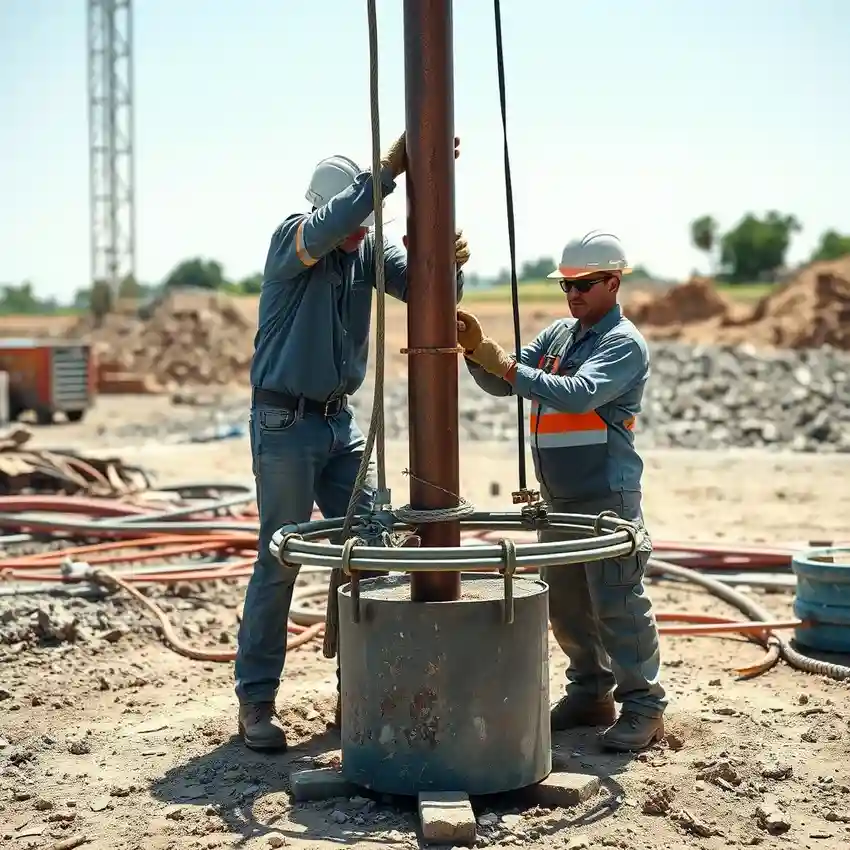
Our operational methodology for projects in Reno begins with a comprehensive review of existing hydrogeological data and state water right applications. Following this assessment, we proceed with the precise water well drilling phase, selecting techniques—such as rotary or cable tool—based on the specific subsurface conditions encountered in the valley fill. We continuously log drilling parameters and collect formation samples. The well is then properly cased, grouted, and developed through surging and pumping to optimize its specific capacity and ensure long-term integrity and performance.
Reference Technical Parameters
| Parameter | Reference Value |
|---|---|
| Predominant Soil/Rock Type | Unconsolidated Alluvial Deposits (Sand, Gravel, Clay) |
| Typical Bedrock Depth | Highly Variable, 50 to 300+ feet |
| Typical Groundwater Level (bgs) | 10 to 100 feet |
| Seismic Design Category | Moderate to High (Site-Specific Evaluation Required) |
| Typical Well Depth Range | 100 to 500 feet |
Local Considerations — Reno
Reno's hydrogeology presents distinct considerations for well construction. The valley fill, comprising heterogeneous layers of sand, gravel, and clay, requires careful screen selection to prevent sand pumping. Groundwater levels can be relatively deep in foothill areas compared to the valley center. Seismic activity in the region necessitates robust well construction practices to maintain casing integrity. Contrasts exist between the deeper, coarser sediments in older alluvial fans and the finer-grained materials near the Truckee River. A thorough pre-construction hydrogeological survey is critical for success. For large-scale or complex projects, insights from our major operations hub can be invaluable; learn more about our comprehensive approach to water well drilling in Los Angeles.
Request a Quote
Our team reviews your project and issues an initial report at no cost.
Or write us directly at [email protected]
Services in Reno
Applicable Standards
- Nevada State Water Law (Prior Appropriation)
- Nevada Division of Water Resources (NDWR) Regulations
- Local County Well Construction Standards
- Safe Drinking Water Act (SDWA) Considerations
Frequently Asked Questions
What are the primary soil and geological challenges for drilling a water well in Reno?
The primary challenge is the heterogeneity of the Truckee Meadows aquifer materials, including interbedded layers of coarse gravel and fine clay. This variability can impact drilling fluid loss, well screen design, and development efficiency. Additionally, the presence of occasional large cobbles or boulders can complicate the drilling process, requiring adaptable equipment and techniques.
How do Nevada water rights and the permitting process affect well drilling in Reno?
Nevada operates on the prior appropriation doctrine ('first in time, first in right'). Drilling a well for most uses requires a permit from the Nevada Division of Water Resources (NDWR). The process involves demonstrating the availability of water, defining the beneficial use, and often requires metering and reporting. Drilling cannot commence until the appropriate permit is secured, making early regulatory consultation essential.
Is a hydrogeological study always required before drilling a well in this area?
While not always legally mandated for every single domestic well, a professional hydrogeological study is highly recommended. Given the spatial variability of the aquifer and the significant investment in drilling, a study minimizes risk by identifying the optimal depth and location for water yield and quality, ensuring the well's design is suited to the local subsurface conditions.