Methodology
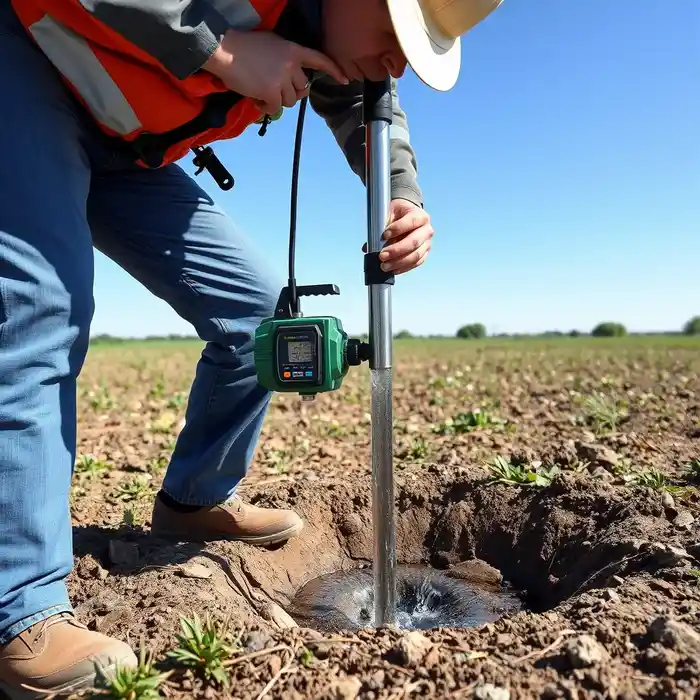
Our approach in Stockton begins with a thorough site-specific assessment to understand the local aquifer conditions. This informs the strategic planning for water well drilling, where we select appropriate techniques—such as rotary or cable tool—based on the encountered sediments. We meticulously log drilling parameters and collect formation samples to accurately characterize the subsurface, ensuring the well design is optimized for both yield and longevity within the local geological context.
Reference Technical Parameters
| Parameter | Reference Value |
|---|---|
| Predominant Soil Type | Alluvial deposits (sands, silts, clays) |
| Typical Groundwater Level Depth | Variable, 50 - 200 ft below surface |
| Typical Bedrock Depth | Greater than 500 ft in valley center |
| Seismic Design Category | Moderate to High (per local building code) |
Local Considerations — Stockton
Key local considerations for water well projects in Stockton include: 1) The presence of deep, productive alluvial aquifers interbedded with less permeable clay layers, requiring precise screen placement. 2) Significant historical groundwater level declines in parts of the San Joaquin Valley, making aquifer yield assessment critical. 3) Proximity to the Delta region introduces potential water quality considerations, such as salinity. 4) Variability in soil corrosivity across different alluvial deposits impacts well casing material selection. 5) Adherence to regulations set by the San Joaquin County Environmental Health Department and compliance with California's Sustainable Groundwater Management Act (SGMA) are paramount. A professional hydrogeological survey is essential to navigate these factors. For major regional projects, our primary technical hub for comprehensive water well drilling services in Los Angeles provides additional support and resources.
Request a Quote
Our team reviews your project and issues an initial report at no cost.
Or write us directly at [email protected]
Services in Stockton
Applicable Standards
- California Water Code
- Sustainable Groundwater Management Act (SGMA)
- San Joaquin County Well Standards
- State Water Resources Control Board Regulations
Frequently Asked Questions
What are the common soil and aquifer conditions for water wells in Stockton?
Stockton sits within the vast alluvial basin of the San Joaquin Valley. The aquifer system consists of alternating layers of water-bearing sands and gravels with less permeable silts and clays. This layered geology requires careful analysis to identify the most productive zones for well screen placement and to ensure a sustainable, sand-free yield.
What are the key regulatory steps for drilling a new water well in Stockton?
The process typically requires a permit from San Joaquin County Environmental Health. A licensed well driller must submit a well completion report to the state. Crucially, in areas governed by a Groundwater Sustainability Agency (GSA) under SGMA, new well permits may have additional requirements or restrictions to achieve sustainable groundwater management goals.
Is a hydrogeological study always required before drilling?
While not always mandated by code for single residential wells, a professional hydrogeological assessment is highly recommended. It mitigates risk by providing data on probable well depth, yield, and water quality, leading to a more efficient drilling operation and a better-performing long-term asset, especially in areas with known groundwater challenges.