Methodology
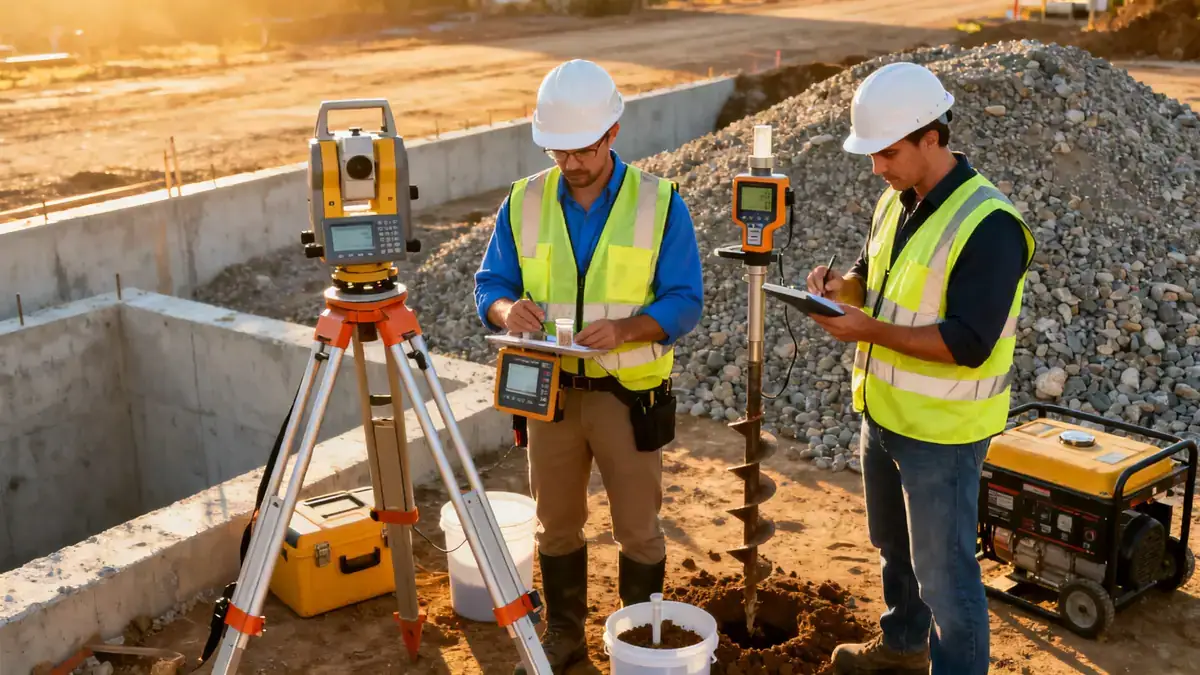
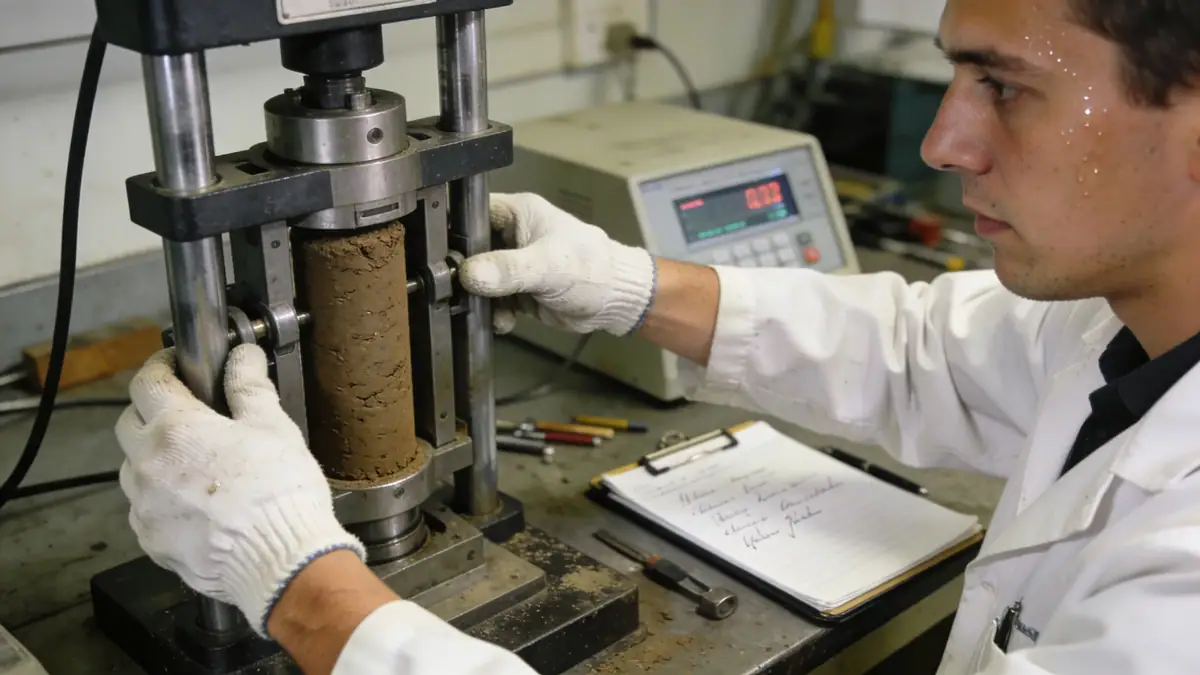
Our methodology for deep water wells follows a phased approach. Phase I involves hydrogeological investigation using geophysical logging and pump testing to delineate aquifer properties. Phase II employs mud rotary or air hammer drilling to depths typically ranging from 500 to 2,500 feet, with borehole diameters of 12 to 24 inches. We install Schedule 40 or 80 PVC or steel casing, grouted from surface to base of aquifer, and develop the well using air lifting or surging. Phase III includes step-drawdown and constant-rate pumping tests for 24 to 72 hours, monitoring drawdown and recovery. We adhere to ASTM D5092 for well design and installation. Our team also provides Well Maintenance & Rehabilitation services to extend well life.
Reference Technical Parameters
| Parameter | Reference Value |
|---|---|
| Maximum Depth | 3,000 ft |
| Casing Diameter | 6–24 in |
| Typical Yield | 100–5,000 gpm |
| Screen Slot Size | 0.010–0.080 in |
| Grout Thickness | 2–6 in |
Local Considerations — USA
Deep water well design varies significantly across US hydrogeologic provinces. In the arid Southwest, wells in Albuquerque and Phoenix often target deep alluvial or sandstone aquifers with high total dissolved solids, requiring corrosion-resistant materials. In the Pacific Northwest, wells near Seattle or Portland must account for fractured basalt and high precipitation recharge. Our firm adapts drilling methods and casing programs to local conditions, using mud rotary in unconsolidated sediments and air hammer in competent rock. Regional groundwater regulations, such as those in California for wells in Anaheim, influence permitting and construction standards. We maintain familiarity with local hydrogeology and water rights to ensure compliant, efficient wells.
Request a Quote
Our team reviews your project and issues an initial report at no cost.
Or write us directly at [email protected]
Applicable Standards
- ASTM D5092-04 Standard Practice for Design and Installation of Groundwater Monitoring Wells
- ASTM D5785-18 Standard Guide for Step-Drawdown Pumping Tests
- AWWA A100-15 Standard for Water Wells
- 40 CFR Part 144 Underground Injection Control Program
Frequently Asked Questions
What is the typical drilling method for deep water wells?
Our firm primarily uses mud rotary drilling for unconsolidated formations and air hammer (down-the-hole) for hard rock. The method is selected based on lithology, depth, and well diameter. We also employ reverse circulation for large-diameter wells. All methods comply with ASTM D5092.
How long does it take to drill and complete a deep water well?
Drilling and completing a deep water well typically takes 2 to 6 weeks, depending on depth, geology, and permitting. A 1,000-foot well in sand and gravel may take 2-3 weeks, while a 2,500-foot well in hard rock may require 5-6 weeks. Post-drilling pump testing adds 2-5 days.
What permits are required for a deep water well in the US?
Permits vary by state and local jurisdiction. Typically, a well construction permit must be obtained from the state water resources or environmental agency. Some areas require a groundwater withdrawal permit. Our team manages the permitting process, including environmental review and water rights assessment.
How much does deep water well drilling cost in the US?
Costs vary widely based on depth, geology, accessibility, and well diameter. For a typical deep well, prices range from $3,150 to $5,250 per well. Factors such as depth, casing material, and pump testing influence the final cost. We recommend a site-specific evaluation for an accurate estimate.