Methodology
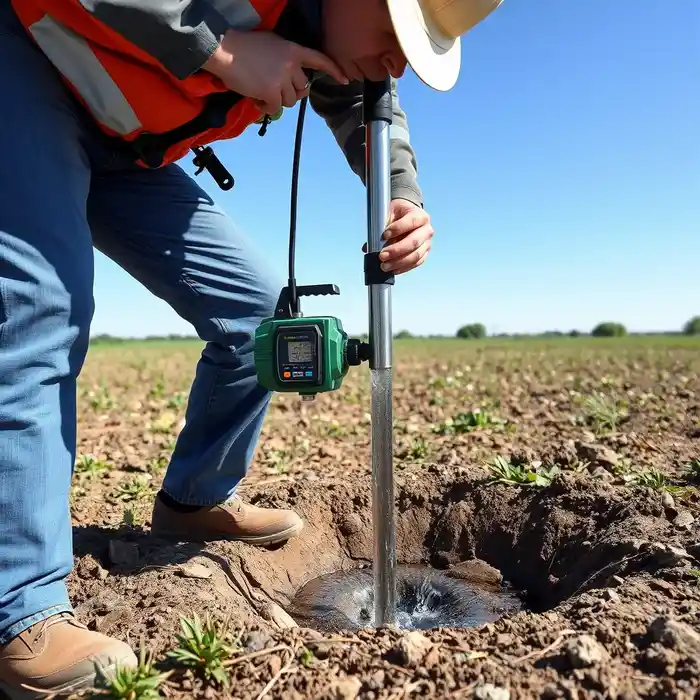
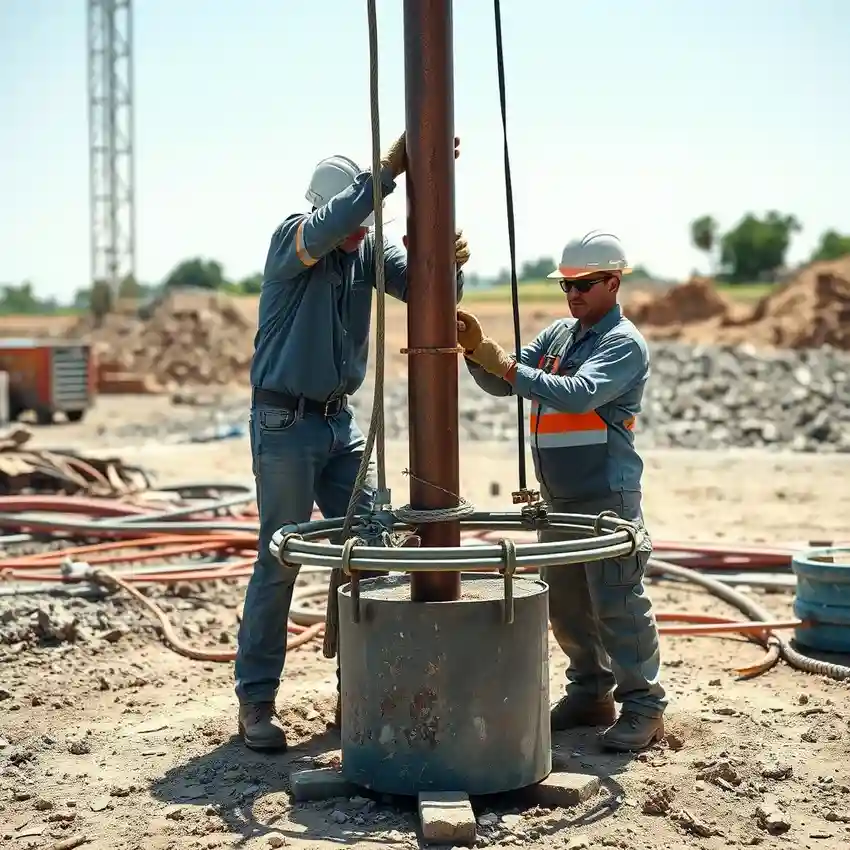
Our approach in West Valley City begins with a thorough review of existing hydrogeological data and Utah Division of Water Rights records to assess feasibility and legal constraints. Site-specific investigation then informs the precise water well drilling strategy, selecting appropriate techniques for the interbedded sands, clays, and gravels common to the area. We prioritize methods that ensure well integrity, prevent aquifer contamination, and maximize sustainable yield from the local shallow aquifer system.
Reference Technical Parameters
| Parameter | Reference Value |
|---|---|
| Predominant Soil Type | Alluvial sands, silts, clays, and gravels |
| Typical Groundwater Level | 15 - 50 ft below ground surface |
| Estimated Bedrock Depth | Highly variable, 100 - 300+ ft |
| Seismic Design Category | Category D (per IBC/IRC based on site class) |
| Typical Well Depth Range | 80 - 200 ft |
Local Considerations — West Valley City
West Valley City's geology is characterized by deep alluvial and lacustrine deposits from ancient Lake Bonneville, overlying harder sedimentary bedrock. Groundwater availability is generally good in the valley center but becomes more variable near the eastern foothills. Seismic activity, given the proximity to the Wasatch Fault, necessitates careful well casing design. Contrasts exist between older neighborhoods with established wells and newer developments requiring initial hydrogeological survey for permitting. A typical project involves navigating Utah's prior appropriation doctrine to secure a valid water right before any drilling commences. For major regional projects, our team often coordinates with our primary water well drilling hub in Denver.
Request a Quote
Our team reviews your project and issues an initial report at no cost.
Or write us directly at [email protected]
Services in West Valley City
Applicable Standards
- Utah Code Title 73 (Water and Irrigation)
- Utah Administrative Code R655-4 (Well Drilling)
- West Valley City Municipal Code
- International Building Code (IBC) seismic provisions
Frequently Asked Questions
What soil conditions are most common for well drilling in West Valley City?
The city sits on unconsolidated Quaternary deposits, primarily layered alluvial sands and gravels with lenses of clay and silt from Lake Bonneville. These conditions generally allow for efficient drilling but require careful screen and filter pack design to prevent sand incursion and ensure long-term well performance.
How does seismic risk affect well construction here?
Proximity to active faults requires adherence to strict construction standards. Wells must be cased and grouted to prevent collapse and safeguard aquifer integrity during seismic events. Our designs follow IBC seismic categories and use materials capable of withstanding potential ground shaking and liquefaction in susceptible areas.
Is a hydrogeological study mandatory before drilling a well?
While not always mandated by the city for single-family residences, the Utah Division of Water Rights requires proof of water availability and a valid water right. A professional study is the most reliable method to satisfy this requirement, define aquifer parameters, and determine an appropriate well location and depth, making it a critical step for approval.