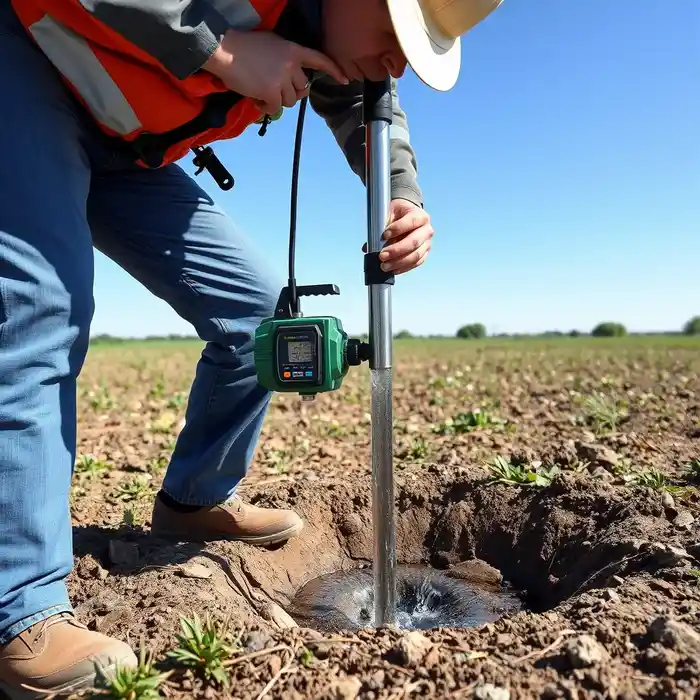
Methodology
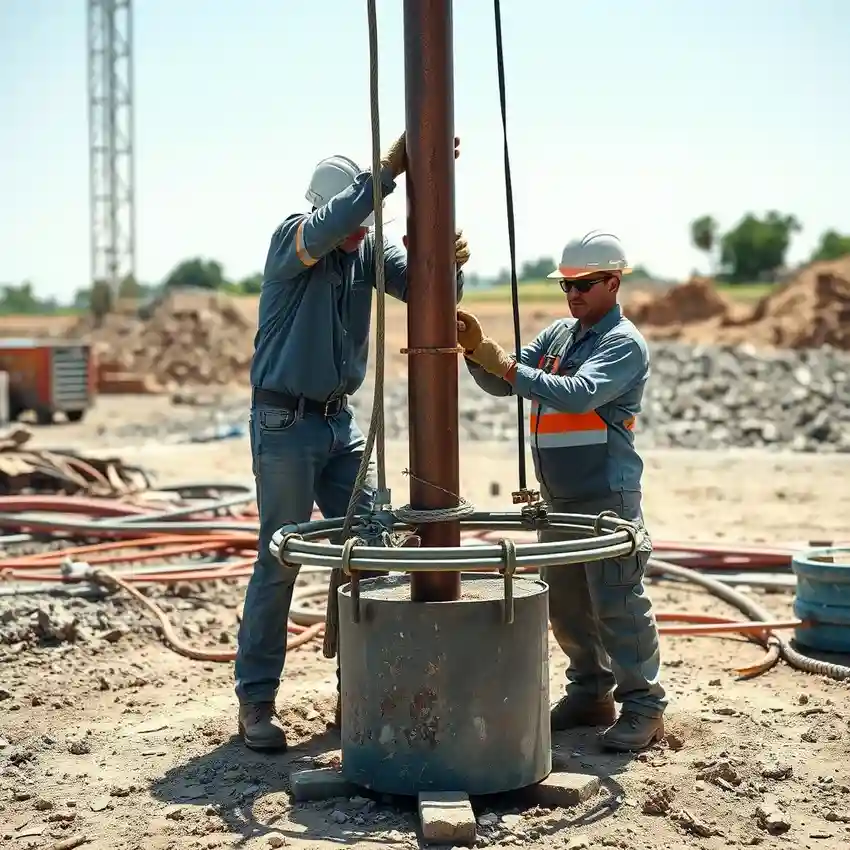
Our methodology for projects in Tempe begins with a comprehensive site evaluation to understand the local subsurface conditions. This is followed by precise water well drilling operations, utilizing techniques appropriate for the unconsolidated alluvial sediments typical of the area. We prioritize proper well construction, including casing and screen selection, and conclude with systematic development and testing to verify well yield and water quality, ensuring long-term performance and regulatory adherence.
Reference Technical Parameters
| Parameter | Reference Value |
|---|---|
| Predominant Soil Type | Alluvial sediments (sands, gravels, clays) |
| Typical Groundwater Level | Variable, 50 - 300 feet below surface |
| Bedrock Depth | Generally > 500 feet in valley center |
| Maximum Seismic Acceleration (PGA) | Site-specific, per local seismic hazard maps |
| Typical Aquifer Material | Unconsolidated basin-fill deposits |
Local Considerations — Tempe Arizona
Tempe's groundwater landscape is defined by its location within the Salt River Valley's extensive alluvial aquifer. Key local considerations include: 1) Highly variable groundwater depths, influenced by historical pumping and Central Arizona Project deliveries, necessitating detailed pre-drilling assessment. 2) The presence of a shallow, dense caliche layer in many areas, which can significantly impact drilling speed and method selection. 3) Seismic activity considerations, as the area is subject to regional tectonic forces, influencing well casing design for durability. 4) Contrasts between older neighborhoods with established wells and new developments requiring modern, permitted installations. 5) The critical importance of a professional hydrogeological survey to accurately locate productive water-bearing zones and avoid areas with potential contamination from urban activity. For major regional projects, our team also provides comprehensive water well drilling services from our Phoenix hub.
Request a Quote
Our team reviews your project and issues an initial report at no cost.
Or write us directly at [email protected]
Services in Tempe Arizona
Applicable Standards
- Arizona Department of Water Resources (ADWR) Well Drilling Rules
- Arizona Administrative Code R12-15
- Tempe City Code, Title 11 - Water
Frequently Asked Questions
What are the common soil and geological challenges for drilling a water well in Tempe?
The primary challenge is the heterogeneous nature of the alluvial aquifer, consisting of interbedded layers of sand, gravel, silt, and clay. A dense caliche (calcium carbonate) layer is often encountered, which can be difficult to drill through. These variations require experienced drillers who can adapt techniques on-site to ensure proper well construction and screen placement in the most productive zones.
How does local seismic activity influence well design in the Tempe area?
While not the most seismically active zone, Arizona experiences tectonic activity that must be considered. Well design, particularly casing selection and grouting procedures, must account for potential ground shaking to prevent well collapse or damage that could compromise water quality or yield. Designs follow best practices for durability in a seismic region.
Is a hydrogeological study mandatory before drilling a new well in Tempe?
While ADWR regulations govern the permitting and construction of wells, a formal hydrogeological study is not always legally mandated for every residential well. However, it is highly recommended and often essential for commercial or high-yield wells. Such a study maximizes the likelihood of a successful, productive well and is critical for responsible groundwater resource management.