Methodology
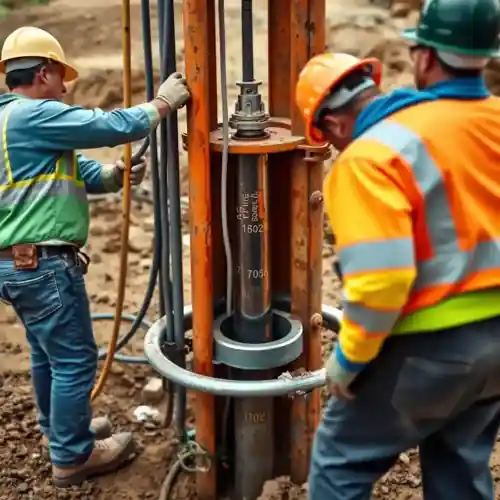
Our approach in Surprise begins with a thorough review of local hydrogeological data and county well permits. We then proceed with site-specific planning, considering lot size and proximity to existing infrastructure. The actual water well drilling process employs rotary or percussion techniques suited to the unconsolidated sands and gravels, followed by proper well development to ensure optimal yield and longevity for the property owner.
Reference Technical Parameters
| Parameter | Reference Value |
|---|---|
| Predominant Soil Type | Unconsolidated Alluvial Sands and Gravels |
| Typical Groundwater Level | Deep, variable based on basin location |
| Typical Bedrock Depth | Significantly deep, not typically encountered in residential well drilling |
| Maximum Seismic Acceleration (PGA) | Subject to regional seismic hazard maps |
| Typical Well Casing Diameter | 6 to 12 inches, based on yield and design |
Local Considerations — Surprise Arizona
1. **Geology & Water Table**: The subsurface consists of deep alluvial deposits. Groundwater levels can vary significantly, often requiring drilling to depths of several hundred feet to reach productive aquifers, contrasting with shallower systems found elsewhere. A professional hydrogeological survey is critical for accurate depth estimation. 2. **Seismic Context**: While not the highest risk zone, Surprise is subject to regional seismic activity, influencing well casing design for integrity. 3. **Urban Contrast**: Water access needs differ between established neighborhoods with existing infrastructure and newer developments on the city's periphery, where individual wells are more common. 4. **Regulatory Environment**: Strict Maricopa County Environmental Services Department regulations govern well construction, permitting, and water quality testing. 5. **Regional Hub**: For major regional operations and expertise, our primary team operates out of our water well drilling hub in Phoenix.
Request a Quote
Our team reviews your project and issues an initial report at no cost.
Or write us directly at [email protected]
Services in Surprise Arizona
Applicable Standards
- Maricopa County Well Construction Standards
- Arizona Department of Water Resources (ADWR) Regulations
- Local Municipal Codes for Surprise
Frequently Asked Questions
What are the main soil and geological challenges for drilling a water well in Surprise?
The primary challenge is the depth to water within the alluvial basin, which can require significant drilling. The unconsolidated nature of the sands and gravels also necessitates careful well design and development to prevent sand intrusion and ensure a stable well bore.
Are there specific seismic codes that affect well construction here?
While Surprise follows broader regional building and infrastructure codes that account for seismic risk, well construction standards focus on durability and sealing integrity to protect the aquifer, which indirectly addresses seismic resilience through robust construction practices.
Is a hydrogeological study mandatory before drilling a well in Surprise?
While not always mandated by code for every single-family property, a professional hydrogeological assessment is highly recommended and often required by lending institutions. It is crucial for determining probable well depth, yield, and ensuring the well's location meets all setback requirements from potential contaminants.