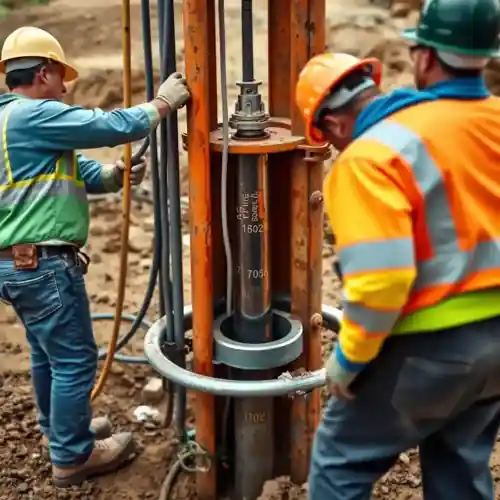
Methodology
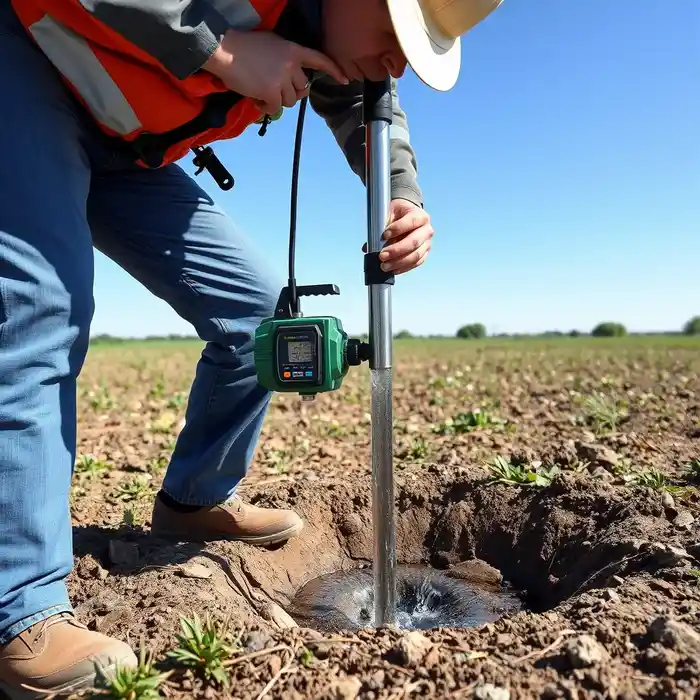
Our methodology for water well drilling in St Paul begins with a thorough review of regional geological surveys and existing well logs to understand the subsurface stratigraphy. We then conduct a site-specific assessment to identify the optimal location and target aquifer, whether it be the shallow Prairie du Chien-Jordan or deeper Mount Simon aquifers. The drilling process is carefully managed to seal off shallow, potentially contaminated groundwater and properly case the well through unconsolidated glacial deposits before reaching the bedrock. A comprehensive hydrogeological survey is integral to this phase to confirm aquifer properties and water quality.
Reference Technical Parameters
| Parameter | Reference Value |
|---|---|
| Predominant Soil Type | Glacial Till (Clay, Silt, Sand, Gravel) |
| Bedrock Depth (Typical Range) | 50 - 300 feet below surface |
| Typical Groundwater Level | 10 - 30 feet below surface |
| Maximum Seismic Acceleration (PGA) | ≤ 0.05g (Low Seismicity) |
| Typical Standard Penetration Test (SPT) N60 Value | Variable, 10-40 blows/ft in till |
Local Considerations — St Paul
St Paul's geology is dominated by a thick sequence of glacial deposits overlying Paleozoic sedimentary bedrock. The water table is generally shallow, often within 10-30 feet of the surface, but can vary significantly with topography. Seismic activity is low, with minimal design considerations compared to other regions. A key contrast exists between areas atop the bedrock high near downtown, where wells may tap deeper confined aquifers, and neighborhoods on the glacial outwash plains, where high-yield sand and gravel aquifers are prevalent. A typical case involves navigating through dense clay till to reach productive sand layers, requiring precise pump installation techniques to match the well's specific capacity. For projects requiring extensive regional aquifer analysis, our primary hub offers specialized support; learn more about our comprehensive water well drilling services from our Chicago hub.
Request a Quote
Our team reviews your project and issues an initial report at no cost.
Or write us directly at [email protected]
Services in St Paul
Applicable Standards
- Minnesota Department of Health (MDH) Well Code Chapter 4725
- Minnesota Rules Chapters 4725.1250 - 4725.5650
- St Paul City Ordinances on Well Construction
Frequently Asked Questions
What are the main soil and geological challenges for drilling a water well in St Paul?
The primary challenge is the heterogeneity of glacial deposits, which can include boulders, dense clay layers, and loose sand seams within a single borehole. This requires adaptable drilling techniques and careful well construction to prevent collapse and ensure a proper sanitary seal, isolating the well from shallow groundwater.
Are there specific seismic design codes for water well infrastructure in St Paul?
Given the region's low seismicity, specific seismic design for standard residential or commercial water wells is not typically mandated by local code. The structural design focus remains on withstanding soil pressures and ensuring long-term integrity, following MDH well construction standards.
Is a preliminary hydrogeological study mandatory before drilling a new well in St Paul?
While not always legally mandatory for every single-family home, a professional site evaluation is strongly recommended and is often required for commercial, industrial, or multi-family projects. This assessment ensures the well is placed correctly to maximize yield, meet water quality standards, and comply with setback regulations from potential contamination sources.