Methodology
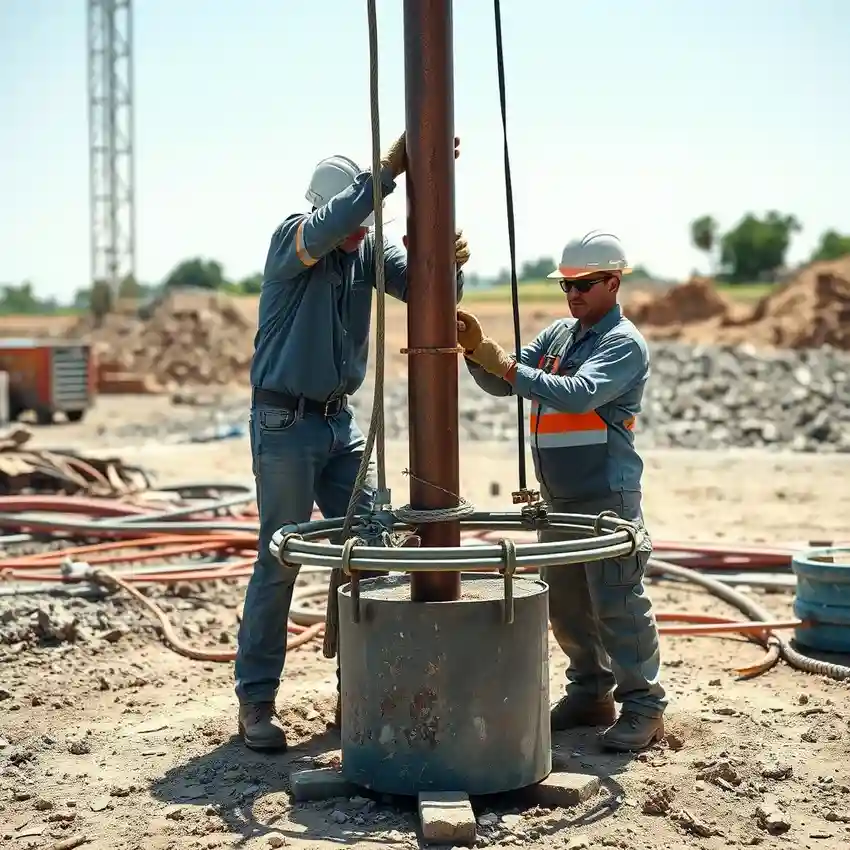
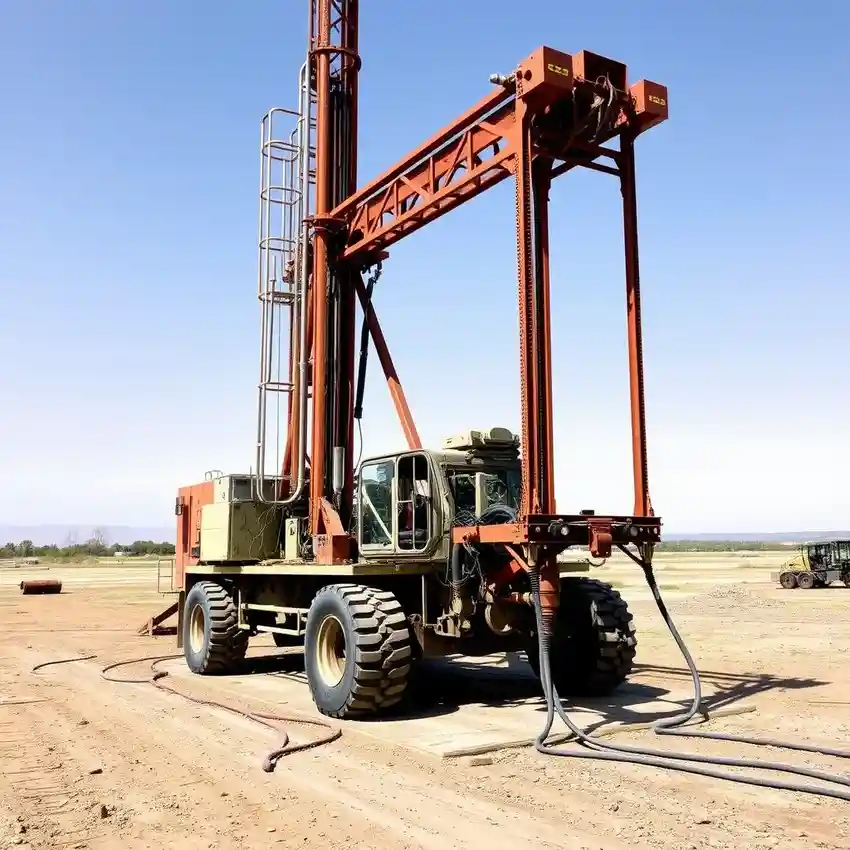
Our approach in Springfield begins with a thorough evaluation of the property's potential, considering topography and known aquifer behavior in the region. We then proceed with precise water well drilling operations, selecting techniques suitable for the encountered limestone and dolomite formations. During drilling, we continuously log geological data and water strikes. The well is then properly cased and developed to maximize yield and ensure structural integrity, culminating in a standardized pump test to accurately determine the sustainable capacity of the water source.
Reference Technical Parameters
| Parameter | Reference Value |
|---|---|
| Predominant Bedrock Type | Karstic Limestone & Dolomite |
| Typical Bedrock Depth | 10 - 100 ft (variable with topography) |
| Typical Static Water Level | 20 - 150 ft below surface |
| Seismic Design Category | C (Moderate Risk) |
Local Considerations — Springfield Missouri
Springfield's location on the Springfield Plateau of the Ozarks presents unique considerations. The karst geology means groundwater flow is often through fractures and conduits, leading to variable well yields and a higher susceptibility to contamination, making proper hydrogeological survey and sanitary sealing critical. Seismic activity, influenced by the New Madrid Seismic Zone, requires well design to account for ground motion. Water table depth can vary significantly between upland areas and valleys near the James River. In rural Greene County, agricultural needs drive demand for high-yield wells, while in expanding suburban areas, ensuring a reliable potable supply for new homes is the primary focus. For projects in major metropolitan hubs, learn about our approach to water well drilling in Chicago.
Request a Quote
Our team reviews your project and issues an initial report at no cost.
Or write us directly at [email protected]
Services in Springfield Missouri
Applicable Standards
- Missouri Department of Natural Resources (MDNR) Well Construction Rules
- Missouri State Water Well Drillers Act
- Local Greene County Environmental Health Codes
Frequently Asked Questions
What is the most common challenge for water wells in Springfield's geology?
The primary challenge is the heterogeneity of the karst limestone aquifer. Water-bearing fractures or conduits can be unpredictable, meaning two wells drilled close together can have significantly different yields. This underscores the importance of professional site evaluation and understanding local groundwater trends, rather than relying on a neighbor's well results.
Are there specific seismic codes that affect well construction here?
While there is no specific seismic code solely for water wells, the region is designated Seismic Design Category C. Prudent engineering practice involves ensuring well casings are properly grouted and secured to mitigate risks from ground shaking, protecting the integrity of the water supply infrastructure.
Is a water quality test mandatory after drilling a new well in Missouri?
While the MDNR requires well construction standards to protect groundwater, mandatory post-construction water testing is generally not state-mandated for private wells. However, it is a critical and highly recommended step for the homeowner to ensure the water is safe for consumption, as the karst environment can allow for rapid contaminant transport.