Methodology
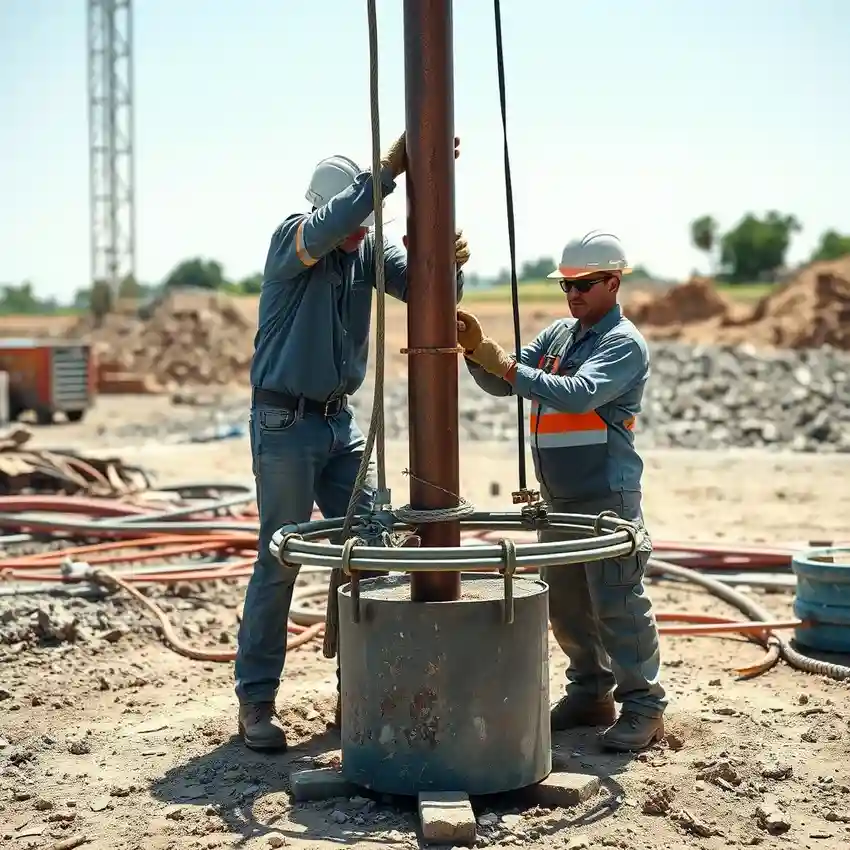
Our approach in the Sioux Falls area begins with a comprehensive site assessment to evaluate the suitability for a water well. This involves reviewing existing geological data and understanding the specific characteristics of the glacial till and underlying bedrock. Following this assessment, we proceed with the water well drilling process, selecting the appropriate drilling technique—often rotary or cable tool—based on the encountered soil and rock formations. We meticulously log all materials, ensure proper well casing and screen installation, and develop the well to optimize its performance and longevity.
Reference Technical Parameters
| Parameter | Reference Value |
|---|---|
| Predominant Soil Type | Glacial Till (Clay, Silt, Sand, Gravel) |
| Bedrock Depth | 50 - 150 feet (variable) |
| Typical Groundwater Level | 50 - 200 feet below surface |
| Primary Aquifer | Dakota Sandstone Formation |
| Maximum Seismic Acceleration (PGA) | < 0.1g (Low Seismicity Zone) |
Local Considerations — Sioux Falls
1. The subsurface in Sioux Falls is characterized by layers of glacial till overlying the Cretaceous-age Dakota Sandstone, the primary aquifer. 2. The static water level can vary significantly, generally ranging from 50 to 200 feet below ground surface, influenced by local topography and proximity to the Big Sioux River. 3. While seismic activity is low, proper well construction must account for soil stability, especially in areas with sandy soils. 4. Residential developments on the expanding periphery of the city often require deeper wells to reach consistent water-bearing zones compared to established central areas. 5. A thorough hydrogeological survey is strongly recommended prior to any drilling to accurately predict depth, yield, and water quality, avoiding costly dry holes or low-producing wells.
Request a Quote
Our team reviews your project and issues an initial report at no cost.
Or write us directly at [email protected]
Services in Sioux Falls
Applicable Standards
- South Dakota Codified Laws (SDCL) Title 46 - Waters
- South Dakota Administrative Rules (ARSD) 74:02 - Water Well Standards
- Local Sioux Falls/Minnehaha County Construction Codes
Frequently Asked Questions
What are the main soil and rock conditions for water well drilling in Sioux Falls?
The area is predominantly covered by glacial till, a heterogeneous mix of clay, silt, sand, and gravel deposited during the last ice age. Beneath this layer lies the Dakota Sandstone, the region's primary bedrock aquifer. Successful drilling requires techniques capable of handling both the unconsolidated materials and the competent sandstone.
Are there specific seismic design considerations for wells in Sioux Falls?
Sioux Falls is located in a region of very low seismic activity. Therefore, specific seismic design for residential water wells is not typically mandated by local building codes. The primary engineering focus remains on proper construction to prevent collapse and surface contamination.
Is a hydrogeological study required before drilling a water well in Sioux Falls?
While not always legally required for every single-family residential well, a professional hydrogeological survey is highly recommended. It is the most reliable method to assess the local groundwater conditions, estimate well depth and yield, and identify potential water quality issues, ensuring a cost-effective and successful project.