Methodology
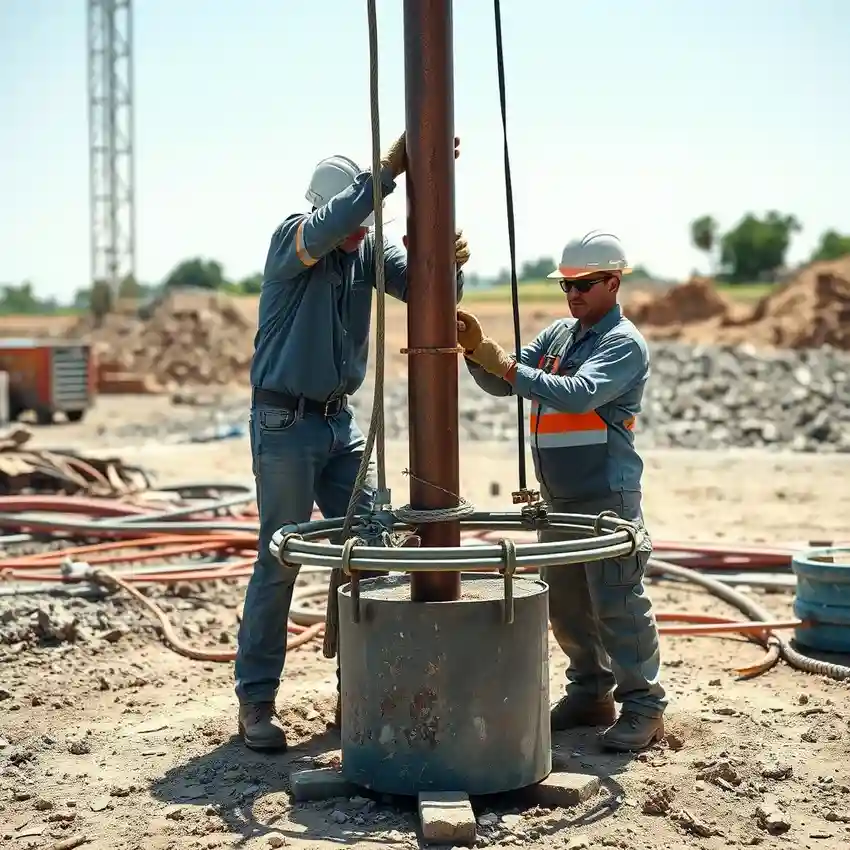
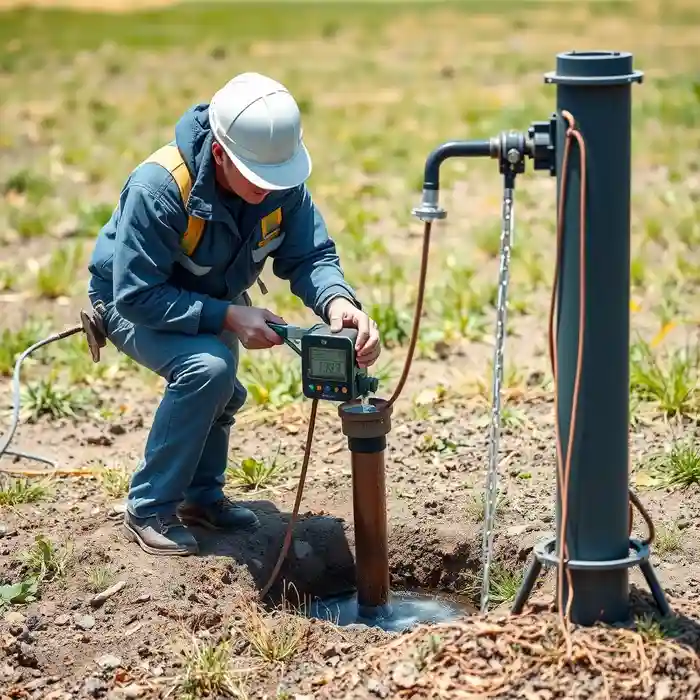
Our approach to water well drilling in Sioux City begins with a comprehensive site assessment to evaluate the local geology and aquifer characteristics. This informs the strategic planning of the drilling operation, from selecting the appropriate equipment to determining the optimal depth and casing design. The drilling process is executed with precision, followed by proper well development to ensure maximum yield and longevity. Throughout, we prioritize methods that protect the aquifer and adhere to all local and state regulations, forming a systematic process for successful water well development.
Reference Technical Parameters
| Parameter | Reference Value |
|---|---|
| Predominant Soil Type | Loess over glacial till |
| Bedrock Depth (Typical) | 50 - 150 feet |
| Typical Groundwater Level | 20 - 80 feet below surface |
| Maximum Seismic Acceleration (PGA) | 0.05 - 0.15g |
| Dakota Aquifer Yield Range | 5 - 50 gallons per minute |
Local Considerations — Sioux City
1. The local geology is dominated by the Dakota Aquifer, consisting of Cretaceous-aged sandstones with interbedded shales, which can lead to variable water yields and quality. 2. Groundwater levels are generally stable but can be influenced by seasonal precipitation and proximity to the Missouri River. 3. The region has a low to moderate seismic risk, but foundation design for wellhead structures should consider local soil conditions. 4. Contrasts exist between the more predictable aquifer conditions in outlying areas versus the potential for anthropogenic impacts in more developed zones, making a preliminary hydrogeological survey critical. 5. A typical case involves navigating the specific permitting requirements of the Iowa Department of Natural Resources while ensuring the well design is optimized for the local sandstone formation.
Request a Quote
Our team reviews your project and issues an initial report at no cost.
Or write us directly at [email protected]
Services in Sioux City
Applicable Standards
- Iowa Administrative Code 567 - Chapter 82 (Water Well Construction)
- Sioux City Municipal Code
- EPA Underground Injection Control Regulations
Frequently Asked Questions
What are the common soil and bedrock challenges for water well drilling in Sioux City?
The primary challenge is the overlying layer of loess, a wind-blown silt, which can be unstable during drilling. Beneath this, glacial till and then the Dakota Sandstone aquifer are encountered. The sandstone can vary in hardness and fracturing, directly influencing well yield and requiring adaptable drilling techniques and proper screen selection to prevent sand intrusion.
Are there specific seismic regulations that affect well construction here?
While not in a high seismic zone, all constructed elements, including well houses and pump pads, must adhere to local building codes which reference the International Building Code (IBC). Proper securing of the well casing and surface equipment is standard practice to ensure integrity under any minor ground motion.
Is a hydrogeological study mandatory before drilling a water well in Sioux City?
While not always mandated by code for every single-family residential well, a professional hydrogeological survey is highly recommended. It is crucial for determining the optimal location, predicting yield, assessing water quality risks, and is often required for commercial, agricultural, or high-yield wells to secure the necessary permits from the Iowa DNR.