Methodology
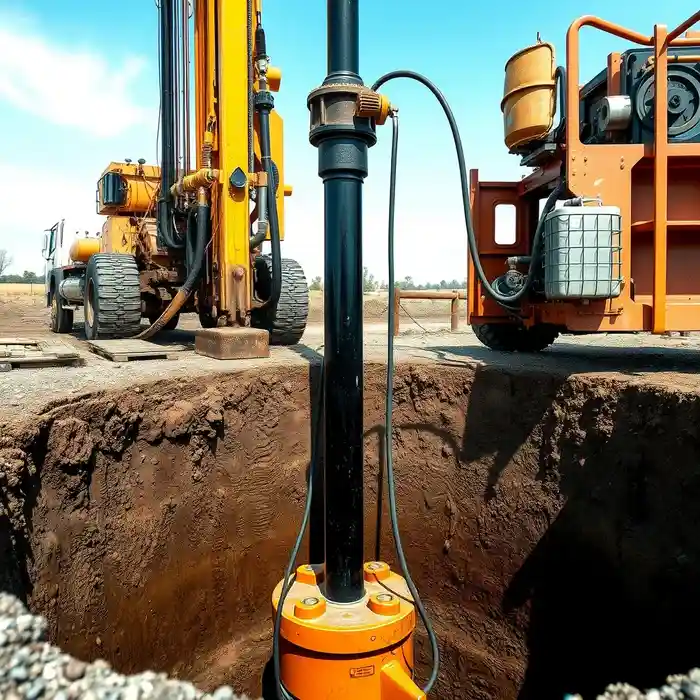
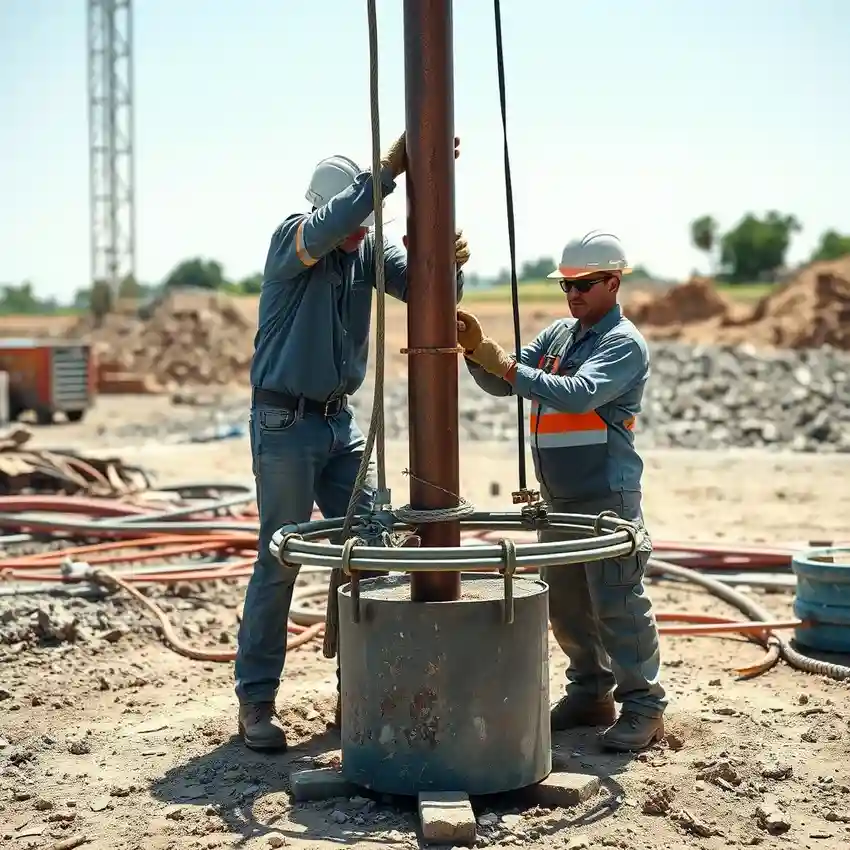
Our approach in Providence begins with a thorough site-specific assessment to understand the subsurface conditions. We then employ advanced water well drilling techniques suitable for the local geology, whether penetrating dense glacial till or fracturing bedrock. Throughout the process, we meticulously log formation samples and monitor water-bearing zones to accurately identify the optimal aquifer for development. Our methodology is designed to maximize well yield and longevity while adhering to all state and local well construction standards.
Reference Technical Parameters
| Parameter | Reference Value |
|---|---|
| Predominant Soil Type | Glacial Till (Unsorted Clay, Sand, Gravel, Boulders) |
| Bedrock Depth | Highly Variable, 20 to 100+ feet |
| Typical Groundwater Level | 10 to 30 feet below ground surface |
| Maximum Seismic Acceleration (PGA) | Site-Specific, per NEHRP provisions |
| Typical N60 Range (if applicable) | Variable, dependent on till density and cobble content |
Local Considerations — Providence
1. **Geology & Aquifers**: Providence sits atop a complex sequence of glacial deposits overlying crystalline bedrock. Groundwater is primarily found in unconsolidated sand and gravel aquifers within the till or in fractured bedrock, requiring precise targeting during drilling. 2. **Water Table Depth**: The water table is relatively shallow, typically between 10 to 30 feet, but can vary significantly with topography and proximity to surface water bodies like the Providence River. 3. **Seismic Activity**: While not the most active zone, Providence is in a region with a seismic history. Well casings and seals must be designed with integrity to withstand potential ground motion. 4. **Urban Contamination Risks**: Historical industrial activity necessitates careful site evaluation to avoid drilling through contaminated soils or into perched contaminated groundwater, making a preliminary hydrogeological survey critical. 5. **Regulatory Framework**: All well construction must comply with Rhode Island Department of Environmental Management (RIDEM) and local Providence water resource board regulations, governing everything from location to construction materials.
Request a Quote
Our team reviews your project and issues an initial report at no cost.
Or write us directly at [email protected]
Services in Providence
Applicable Standards
- Rhode Island Department of Environmental Management (RIDEM) Well Construction Regulations
- Providence Local Water Resource Board Rules
- EPA Underground Injection Control (UIC) Program Standards
Frequently Asked Questions
What are the main soil and rock challenges for drilling a water well in Providence?
The primary challenge is the heterogeneous glacial till, which contains everything from fine clays to large boulders, making drilling progress unpredictable. Successfully penetrating this layer to reach productive sand and gravel aquifers or competent, water-bearing bedrock fractures requires specialized equipment and experienced operators familiar with New England geology.
Are seismic design considerations required for wells in Providence?
While not as stringent as in high-seismicity zones, responsible well design in Providence considers regional seismic risk. This involves ensuring proper grouting and sealing of the well casing to prevent aquifer contamination from surface water ingress during any ground shaking, safeguarding the integrity of the groundwater source.
Is a permit always required before drilling a water well in Providence?
Yes. A permit from the Rhode Island Department of Environmental Management (RIDEM) is mandatory before any well drilling begins. The process involves submitting a well construction application with a site plan. Our team manages this permitting process to ensure full compliance from the outset of your project.