Methodology
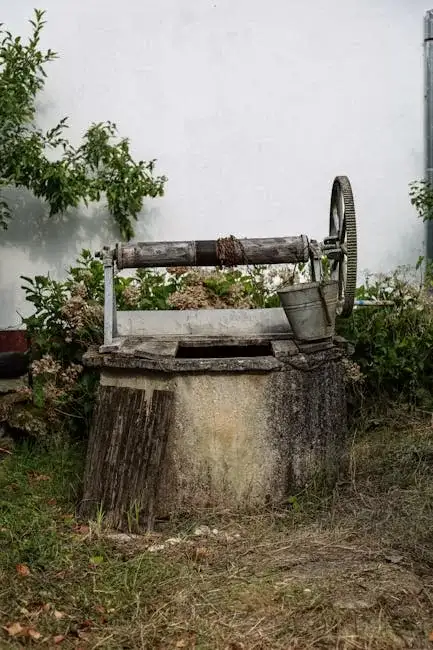
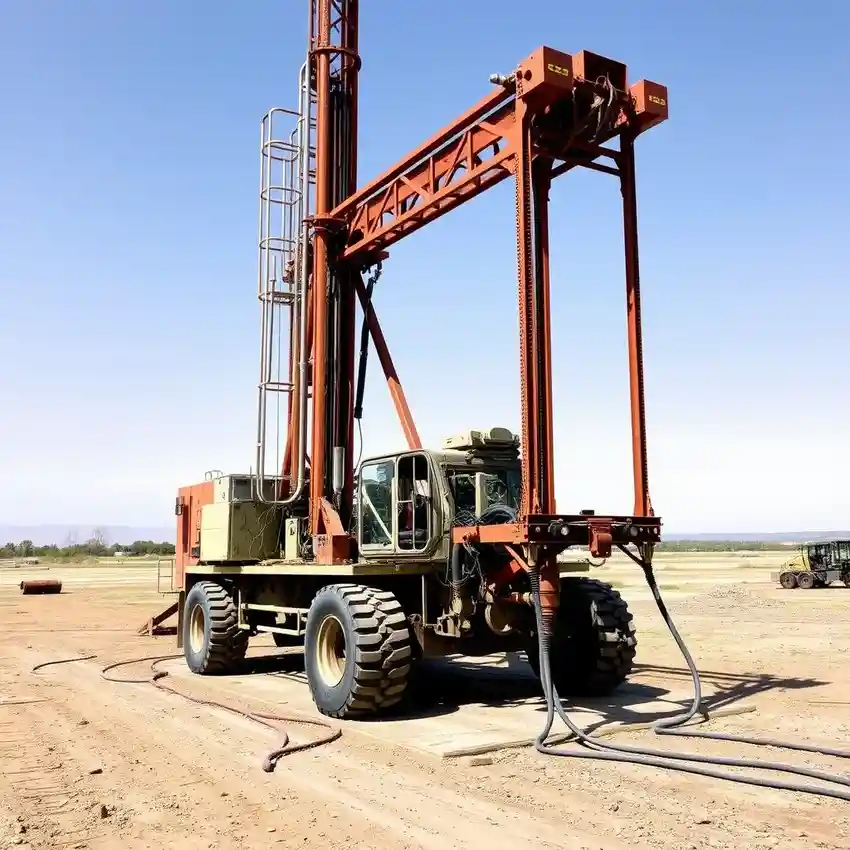
Our approach in Overland Park begins with a thorough review of existing hydrogeological data and local well logs to understand the stratigraphy of the Kansas City Group. Site-specific investigations guide the selection of the optimal drilling method, whether rotary or cable tool, to efficiently penetrate the alternating hard and soft layers. The process is meticulously planned to ensure proper well construction, including screen placement in productive zones and sanitary sealing to protect the aquifer, adhering to all relevant Kansas Department of Health and Environment (KDHE) standards. Learn more about our comprehensive water well drilling methodology.
Reference Technical Parameters
| Parameter | Reference Value |
|---|---|
| Predominant Soil Type | Clay Loam over Glacial Till |
| Typical Bedrock Depth | 20 - 80 ft |
| Typical Static Water Level | 30 - 100 ft bgs |
| Maximum Seismic Acceleration (PGA) | 0.05 - 0.1g (Low Seismicity) |
| Typical Standard Penetration Test (SPT) N60 Range | 10 - 40 blows/ft (variable with depth and stratum) |
Local Considerations — Overland Park
1. The subsurface geology is variable, with potential for encountering chert layers within the limestone, which can challenge drill bit selection and progress rates. 2. Static water levels are generally shallower in eastern areas near waterways and deepen towards the west, influencing pump setting depths. 3. While not in a high seismic zone, proper well construction is critical for long-term casing integrity. 4. Residential properties in older neighborhoods may have shallower bedrock, while newer developments on the western fringe often require deeper drilling into the aquifer. 5. A common scenario involves designing a system that balances yield with the drawdown limitations of the local shale-confined units. A detailed hydrogeological survey is essential for navigating these local factors. For major regional projects, our team also provides extensive water well drilling services from our Chicago hub.
Request a Quote
Our team reviews your project and issues an initial report at no cost.
Or write us directly at [email protected]
Services in Overland Park
Applicable Standards
- Kansas Department of Health and Environment (KDHE) Regulations
- Overland Park Municipal Code - Water Well Standards
- National Ground Water Association (NGWA) Best Practices
Frequently Asked Questions
What soil and rock conditions are typical for well drilling in Overland Park?
Drillers typically encounter a layer of clay loam and glacial till overlying the bedrock of the Kansas City Group. This bedrock consists of alternating layers of limestone, shale, and sandstone. The limestone can be dense and may contain chert nodules, while shale layers can be softer but may cause swelling clay issues. Understanding this sequence is crucial for selecting the correct drilling technique and well screen.
Are there specific local regulations for water well construction?
Yes. All water well construction in Overland Park must comply with Kansas Department of Health and Environment (KDHE) regulations, which cover well location, construction materials, sealing, and reporting. Additionally, Overland Park may have local municipal code amendments regarding setbacks from property lines and septic systems. Proper permitting through KDHE is mandatory before drilling commences.
Is a hydrogeological study required before drilling a well on my property?
While not always legally mandated for single residential wells, a professional hydrogeological study is highly recommended. It assesses the local aquifer characteristics, estimates sustainable yield, identifies the optimal drilling location, and helps design a well that complies with regulations. This proactive step mitigates the risk of drilling a low-yield or non-compliant well.