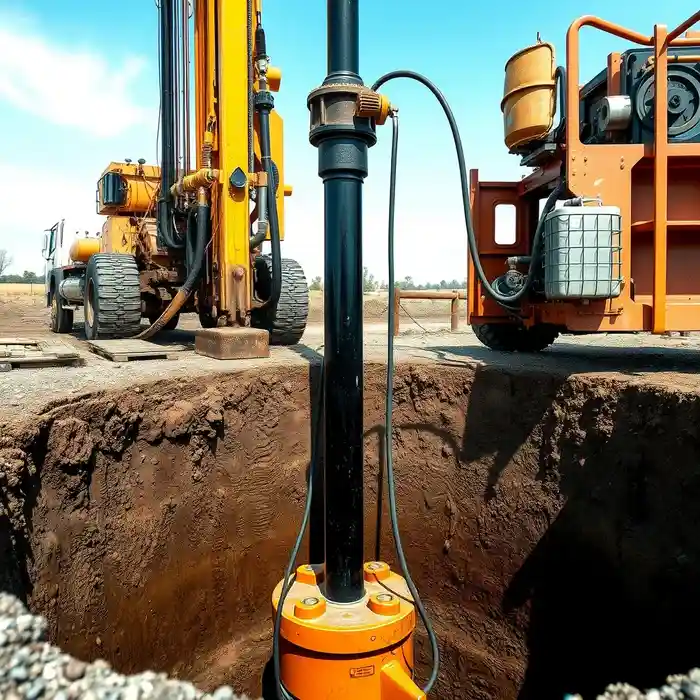
Methodology
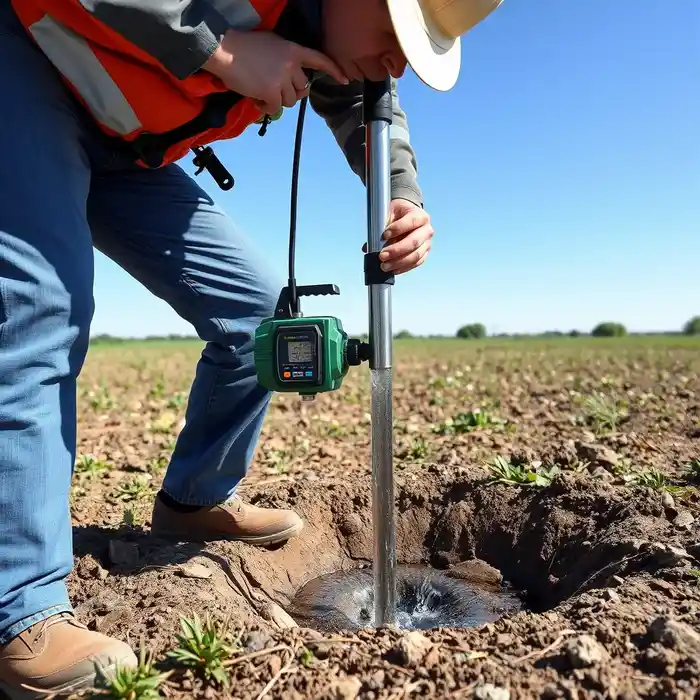
Our approach in Omaha begins with a thorough assessment of the site's potential, considering the interplay between the shallow alluvial aquifers along the Missouri River and the deeper, more extensive High Plains aquifer system. We employ strategic water well drilling techniques suited to the specific soil sequences encountered, from near-surface loess to underlying glacial till and sandstone bedrock. This process ensures we target the most productive water-bearing zones while constructing a well that is durable and optimized for the property's long-term water needs.
Reference Technical Parameters
| Parameter | Reference Value |
|---|---|
| Predominant Soil Type | Loess over Glacial Till |
| Bedrock Depth (Typical) | 50 - 200 ft |
| Typical Groundwater Level | 10 - 50 ft below surface |
| Maximum Seismic Acceleration (PGA) | < 0.1g |
| Typical SPT N60 Range (in Loess/Till) | 15 - 40 blows/ft |
Local Considerations — Omaha
1. **Geology & Aquifers**: Omaha sits atop thick layers of wind-blown loess over glacial deposits, underlain by sandstone of the Dakota Formation. Primary water sources are the shallow alluvial aquifer near the Missouri River and the deeper, more regional High Plains (Ogallala) aquifer. 2. **Groundwater Level**: The water table is generally shallow, often within 10 to 50 feet of the surface, but can vary significantly with topography and proximity to surface water. 3. **Seismic Activity**: While not highly seismic, the region is subject to very minor activity; construction practices are standard. 4. **Neighborhood Contrast**: Properties in the Elkhorn River valley or near the Missouri floodplain may intersect sandy, high-yield aquifers, while upland areas on thick loess may require deeper drilling into bedrock for sufficient yield. 5. **Typical Cases**: A common scenario involves drilling through 50-100 feet of loess and till to reach the water-bearing sandstone, where a detailed hydrogeological survey is crucial for predicting yield and water quality, especially given the agricultural influence on shallow groundwater. For major regional projects, our foundational expertise is anchored in our operations in the Midwest, including our comprehensive water well drilling services from our Chicago hub.
Request a Quote
Our team reviews your project and issues an initial report at no cost.
Or write us directly at [email protected]
Services in Omaha
Applicable Standards
- Nebraska Department of Environment and Energy (NDEE) Regulations
- Local County Health Department Codes
- Safe Drinking Water Act (SDWA) Standards
Frequently Asked Questions
What are the main soil challenges for drilling a water well in Omaha?
The primary challenge is the thick, unconsolidated loess deposits, which are prone to caving during drilling. This requires careful well design and casing procedures. Additionally, the transition into water-bearing glacial sands or the underlying sandstone bedrock requires precise identification to ensure a successful and productive well completion.
Are there specific seismic codes that affect well construction in Omaha?
Omaha is located in a low seismic hazard zone. While general construction standards for durability and safety apply, there are no specific, heightened seismic codes dictating water well construction methods in the area as there are in more active regions. Standard practices for securing wellheads and casing are sufficient.
Is a water quality test mandatory after drilling a new well in Omaha?
While state law does not universally mandate testing for private wells, it is highly recommended and often required by local county health departments or for mortgage lending. Testing for bacteria, nitrates, and other common contaminants is a critical final step to ensure the safety of the water supply for any new or rehabilitated well, a key part of responsible [well maintenance](/well-maintenance/).