Methodology
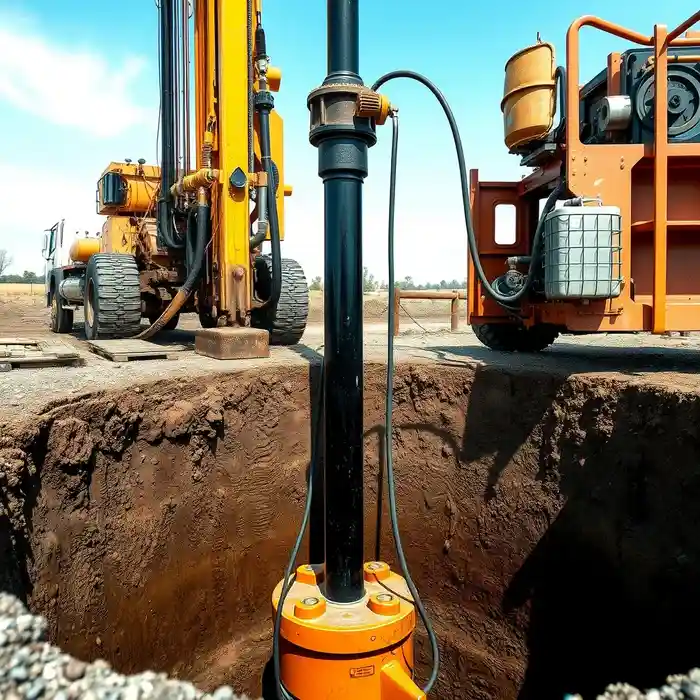
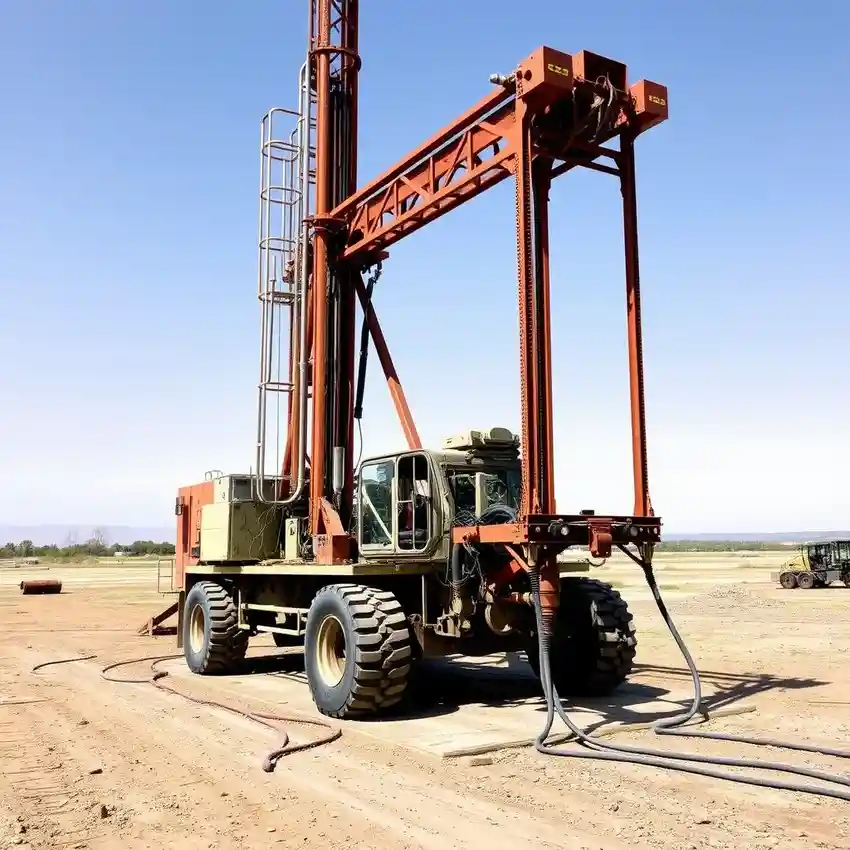
Our approach in Minneapolis begins with a thorough review of regional hydrogeologic maps and existing well logs to understand the local stratigraphy. We then conduct a site-specific evaluation to identify the optimal target aquifer, whether it's the shallow sand and gravel lenses within the glacial drift or the deeper Prairie du Chien-Jordan aquifer. The subsequent water well drilling phase is tailored to these conditions, using techniques suited for penetrating glacial till, managing cobbles, and effectively completing wells in unconsolidated materials to maximize sustainable yield and longevity.
Reference Technical Parameters
| Parameter | Reference Value |
|---|---|
| Predominant Soil Type | Glacial Till (Clay, Silt, Sand, Gravel Mix) |
| Typical Groundwater Level | 10 - 50 ft (3 - 15 m) BGS |
| Bedrock Depth (Top of Paleozoic) | 50 - 300 ft (15 - 90 m) BGS |
| Maximum Seismic Acceleration (PGA) | Low (Site-Specific Evaluation Required) |
| Typical SPT N60 Range in Till | 15 - 50 Blows/ft |
Local Considerations — Minneapolis
1. **Geology & Aquifers**: The subsurface is dominated by glacial deposits (till, outwash, lake sediments) overlying Paleozoic bedrock. Primary targets are shallow sand/gravel aquifers within the drift or the deeper, confined sandstone aquifers. 2. **Groundwater Level**: Typically ranges from 10 to 50 feet below ground surface, varying with topography and proximity to surface water. 3. **Seismic Context**: While not a high seismic zone, local building codes consider foundational stability, which can influence wellhead and pump house design. 4. **Neighborhood Contrast**: Yields can differ significantly between areas atop thick outwash plains (higher potential) versus those on clay-rich till plains. 5. **Typical Cases**: A successful hydrogeological survey is critical here to avoid drilling into low-permeability till and to correctly identify the depth to productive water-bearing units, ensuring a viable water supply for the property.
Request a Quote
Our team reviews your project and issues an initial report at no cost.
Or write us directly at [email protected]
Services in Minneapolis
Applicable Standards
- Minnesota Department of Health (MDH) Well Code
- Minnesota Rules, Chapter 4725
- Local County and Township Permitting Requirements
Frequently Asked Questions
How does Minneapolis's glacial geology affect well drilling?
The variable glacial deposits mean water-bearing sand and gravel layers are discontinuous. Drilling without understanding the local stratigraphy risks hitting impermeable clay till or a boulder layer, which can stall drilling or lead to a low-yield well. Proper siting and drilling technique selection are paramount.
What are the key regulatory steps for a new well in Minneapolis?
A permit from the Minnesota Department of Health or the local county is required before drilling. After construction, a licensed well contractor must submit a well record, and the water must be tested for safety. Regulations specify construction standards, setbacks, and sealing requirements to protect groundwater.
Is a hydrogeological study always necessary before drilling a well in this area?
While not always legally mandated for single residential wells, it is highly recommended. Given the geological complexity, a professional assessment significantly increases the likelihood of a successful, high-yielding well by identifying the best aquifer target and avoiding hidden subsurface challenges, ultimately saving time and money.