Methodology
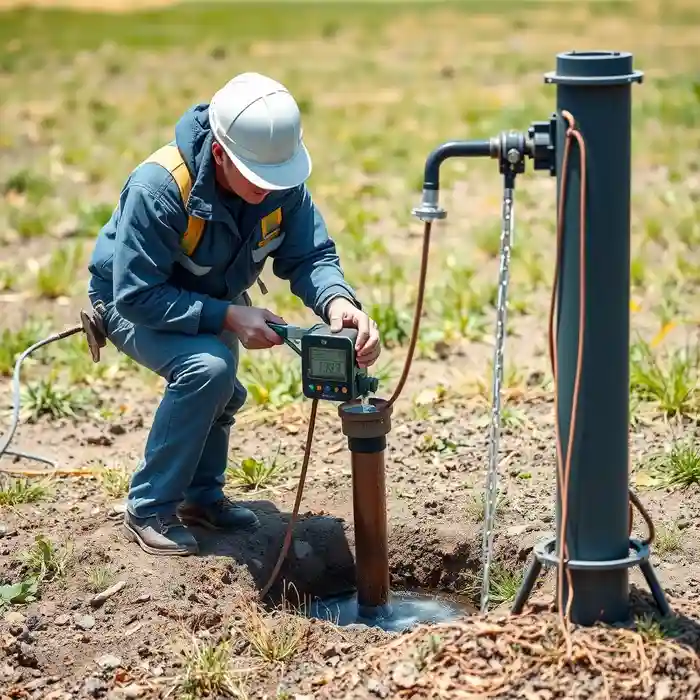
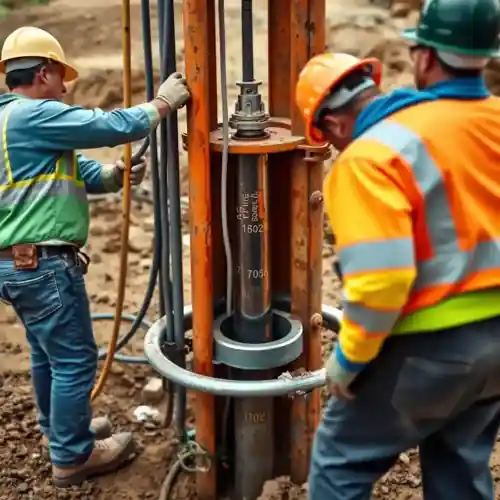
Our approach in Mesa begins with a comprehensive review of regional hydrogeological data and site-specific reconnaissance. We prioritize understanding the stratigraphy of the East Salt River Valley aquifer to identify optimal zones for water yield and quality. This foundational work informs the precise execution of the water well drilling process, where we select appropriate techniques—often rotary or reverse circulation—based on the encountered sediments and target depth. Continuous monitoring during drilling allows for real-time adjustments to ensure well integrity and performance.
Reference Technical Parameters
| Parameter | Reference Value |
|---|---|
| Predominant Soil Type | Alluvial Sands, Silts, and Gravels |
| Maximum Seismic Acceleration (PGA) | Site-Specific, per IBC/ASCE 7 |
| Typical Groundwater Level | 50 - 200 ft below surface |
| Bedrock Depth | Highly Variable, often > 300 ft |
| Typical N60 Range (SPT) | Variable, 10 - 40 blows/ft in alluvium |
Local Considerations — Mesa
Mesa's geology is characterized by unconsolidated to semi-consolidated alluvial deposits from the Salt River. Groundwater levels can vary significantly, often within 50 to 200 feet of the surface, influenced by historical recharge and pumping. Seismic activity, while moderate, requires consideration of liquefaction potential in saturated, loose sandy layers, particularly in older floodplain areas. Contrasts exist between the deeper, more productive aquifer sections in central Mesa and shallower, more variable conditions near the edges of the basin. A typical challenge involves managing fine sands and silts that can compromise well efficiency if not properly addressed during the pump installation and development phase. For complex regional aquifer analysis, our team leverages expertise from our water well drilling operations in Phoenix.
Request a Quote
Our team reviews your project and issues an initial report at no cost.
Or write us directly at [email protected]
Services in Mesa
Applicable Standards
- Arizona Department of Water Resources (ADWR) Regulations
- Arizona Administrative Code R12-15
- Local Mesa City Codes
- ASCE 7 Minimum Design Loads
Frequently Asked Questions
What are the primary soil and aquifer conditions for water wells in Mesa?
Mesa sits within the East Salt River Valley groundwater basin, composed of layered alluvial sands, gravels, and clays. The aquifer is generally unconfined to semi-confined, with water-bearing zones often found in coarse-grained layers. Understanding this stratigraphy is critical to screen placement and well design to avoid sand intrusion and ensure sustainable yield.
How does local seismic activity influence well construction?
While not the highest seismic zone, Mesa requires design consideration for ground shaking. Proper well construction, including grouting and casing specifications, must account for potential liquefaction in saturated, loose sediments to maintain well integrity and prevent aquifer contamination during a seismic event.
Is a hydrogeological study mandatory before drilling a well in Mesa?
While ADWR requires a permit and well log submission, a professional pre-drilling hydrogeological assessment is not always legally mandated but is highly recommended. It mitigates financial risk by identifying the best location and depth for a productive well, ensuring compliance and optimizing long-term performance, avoiding common pitfalls in the variable local geology.