Methodology
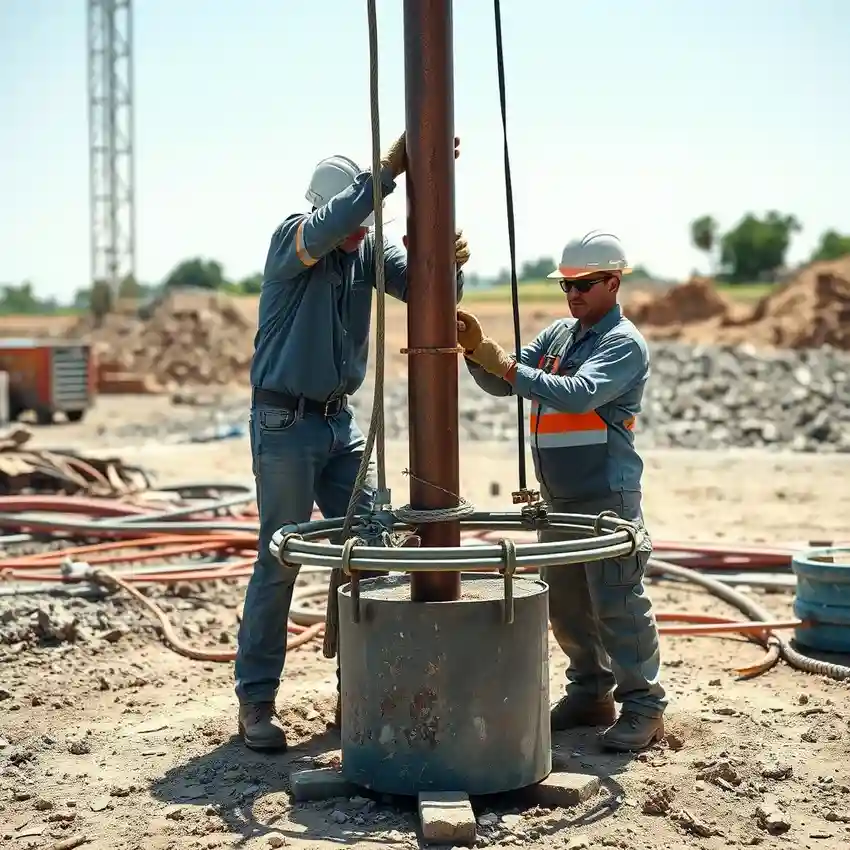
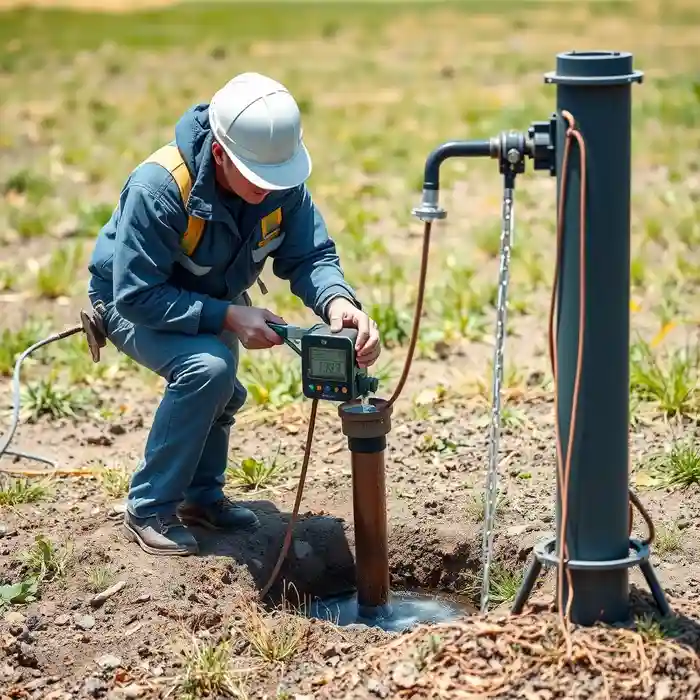
Our general approach in Manchester begins with a thorough review of existing geological surveys and well logs to understand the subsurface variability. We then conduct a site-specific assessment to identify the most favorable drilling location, considering factors like overburden thickness and potential bedrock fractures. The actual water well drilling process is tailored to these conditions, whether requiring percussion methods for unconsolidated materials or rotary techniques for bedrock penetration. Throughout, we monitor drilling parameters and collect samples to continuously validate our geological model.
Reference Technical Parameters
| Parameter | Reference Value |
|---|---|
| Predominant Soil Type | Glacial Till (Unsorted Sand, Silt, Clay, Gravel) |
| Bedrock Depth | Highly variable, 20 to over 100 feet |
| Typical Groundwater Level | Seasonally variable, 10 to 50 feet below surface |
| Maximum Seismic Acceleration (PGA) | Approx. 0.10g - 0.15g (Site Specific) |
| Typical N60 Range (SPT) | Wide range, 5 to 50+ blows/ft in till |
Local Considerations — Manchester New Hampshire
Manchester's geology is characterized by a thick sequence of glacial deposits overlying crystalline bedrock. The water table depth is highly variable, influenced by topography and proximity to the Merrimack River. Seismic risk, while moderate, requires design consideration for well casing integrity. Contrasts are evident between the deeper, more complex sequences in the western uplands and the shallower, river-influenced aquifers in the eastern lowlands. A typical scenario involves targeting discontinuous stratified drift aquifers within the glacial deposits, which requires detailed hydrogeological survey for optimal siting. For large-scale commercial projects or specialized regional expertise, our team also provides comprehensive water well drilling services from our New York hub.
Request a Quote
Our team reviews your project and issues an initial report at no cost.
Or write us directly at [email protected]
Services in Manchester New Hampshire
Applicable Standards
- New Hampshire Department of Environmental Services (NHDES) Well Rules
- New Hampshire Water Well Board Regulations
- ASTM D5092 Standard Test Method for SPT
Frequently Asked Questions
What are the main soil and rock types encountered during well drilling in Manchester?
The subsurface typically consists of unconsolidated glacial deposits, primarily till (a dense mix of clay, silt, sand, and gravel), with occasional layers of stratified sand and gravel aquifers. These overlie crystalline bedrock, such as granite or schist. The heterogeneity of the glacial materials makes pre-drilling investigation crucial for predicting drilling conditions and water-bearing zones.
What are the key regulatory requirements for drilling a water well in Manchester, New Hampshire?
All water well construction is regulated by the New Hampshire Department of Environmental Services (NHDES). Key requirements include licensing of the well driller, proper well construction standards (casing, grouting, well cap), submission of a well completion report to NHDES, and adherence to strict setback distances from potential contamination sources. A state-certified laboratory must perform water quality testing after construction.
Is a hydrogeological study always required before drilling a well in this area?
While not always legally mandated for single residential wells, a professional hydrogeological study is highly recommended due to the complex and variable glacial geology. It significantly increases the probability of siting a productive well, helps estimate sustainable yield, and identifies potential water quality concerns, representing a prudent investment for any significant groundwater withdrawal project.