Methodology
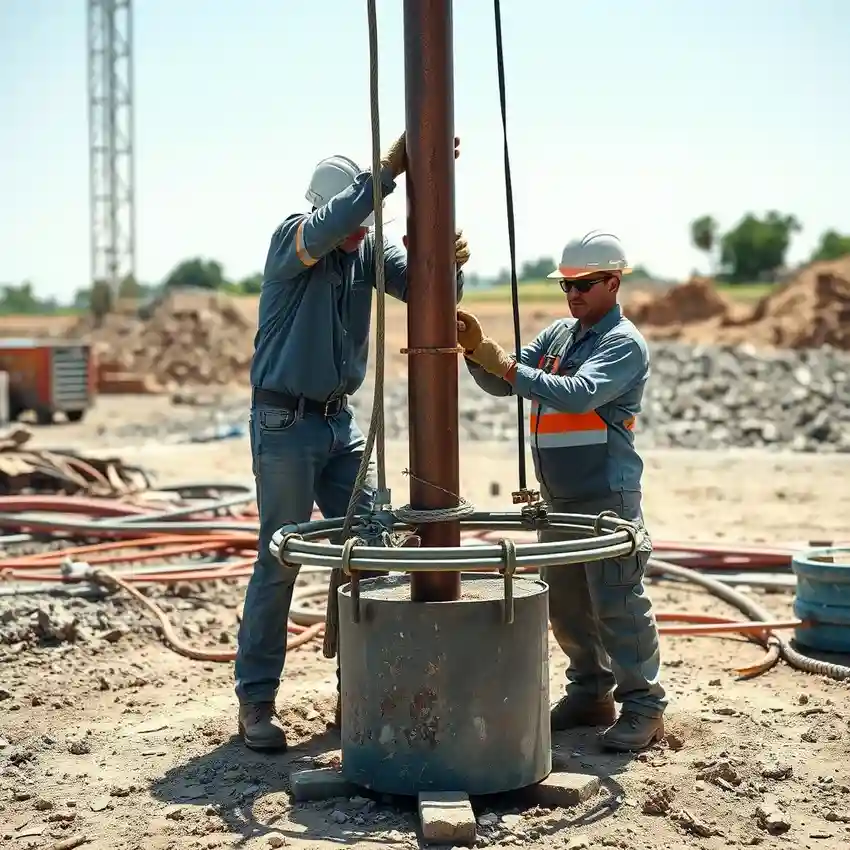
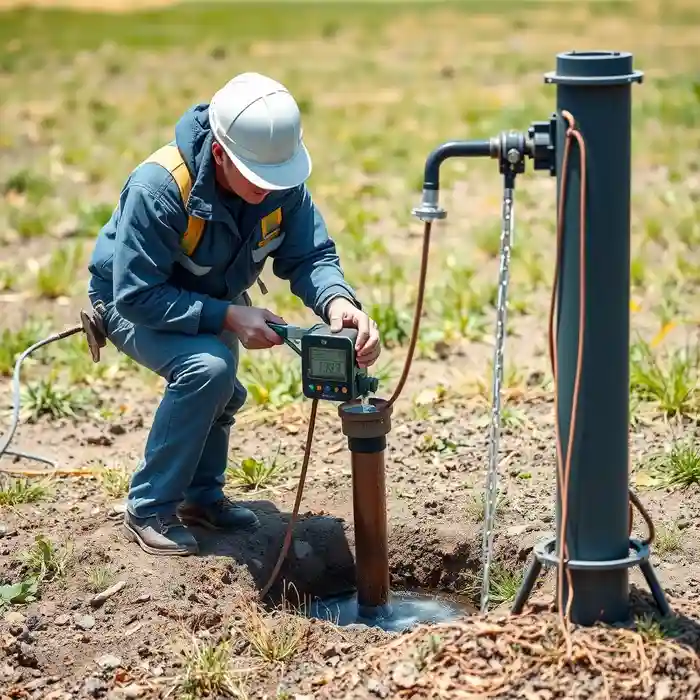
Our approach in Kansas City begins with a thorough site evaluation to understand the overburden soils and the depth to competent bedrock. This informs the appropriate water well drilling technique, whether for penetrating the alluvial deposits or the carbonate rock aquifers. We prioritize proper well construction, including casing and grouting, to prevent surface contamination and ensure the long-term integrity and yield of the water source, tailored to the specific hydrogeological conditions encountered.
Reference Technical Parameters
| Parameter | Reference Value |
|---|---|
| Predominant Soil Type | Glacial Till (Clay, Silt, Sand, Gravel) |
| Bedrock Depth | 10 - 100 ft (Highly Variable) |
| Typical Groundwater Level | 15 - 50 ft below surface |
| Maximum Seismic Acceleration (PGA) | < 0.1g (Low Seismicity) |
| Typical SPT N60 Value (Overburden) | 10 - 30 (Variable per ASTM D5092) |
Local Considerations — Kansas City
1. The subsurface profile typically consists of glacial till and clay overlying Pennsylvania-age limestone and shale bedrock, directly influencing drilling method and cost. 2. Groundwater levels are generally shallow in river valleys but deepen on uplands, requiring site-specific assessment. 3. While not in a high seismic zone, proper well construction is still critical for infrastructure resilience. 4. Contrasts exist between the deeper bedrock wells in southern areas and potentially shallower alluvial wells near the Missouri and Kansas Rivers. 5. A common scenario involves designing a well to target the fractured limestone aquifer, which often necessitates a detailed hydrogeological survey to locate productive fracture zones. For major regional projects, we often collaborate with our team specializing in water well drilling in Chicago.
Request a Quote
Our team reviews your project and issues an initial report at no cost.
Or write us directly at [email protected]
Services in Kansas City
Applicable Standards
- Kansas Water Appropriation Act
- Missouri Well Construction Rules
- Local County Health Department Regulations
- ASTM Drilling Standards
Frequently Asked Questions
What are the main soil and rock types encountered during water well drilling in Kansas City?
Drilling typically progresses through unconsolidated glacial deposits (clays, silts, sands, and gravels) before reaching the bedrock, which is primarily limestone and shale. The thickness and composition of the overburden can vary significantly, impacting drilling time and methodology. The limestone bedrock is the primary target for higher-yield wells.
Are there specific seismic design considerations for water wells in Kansas City?
Kansas City is located in a region of low seismic activity. Therefore, specific seismic design codes for water wells are not typically a primary driver. The main engineering focus is on robust construction to withstand hydrogeological stresses and prevent collapse or contamination, adhering to standard state well construction codes.
Is a hydrogeological study mandatory before drilling a water well in Kansas City?
Regulations vary by state and county. While not always mandatory for single residential wells, a professional hydrogeological assessment is highly recommended and is often required for commercial, industrial, or municipal-scale withdrawals. It is essential for determining sustainable yield, avoiding interference with existing wells, and ensuring proper well placement and design.