Methodology
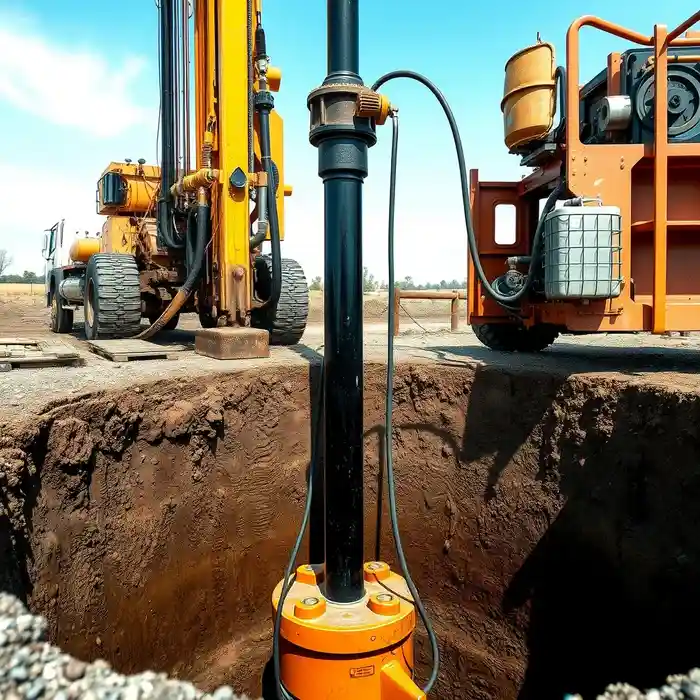
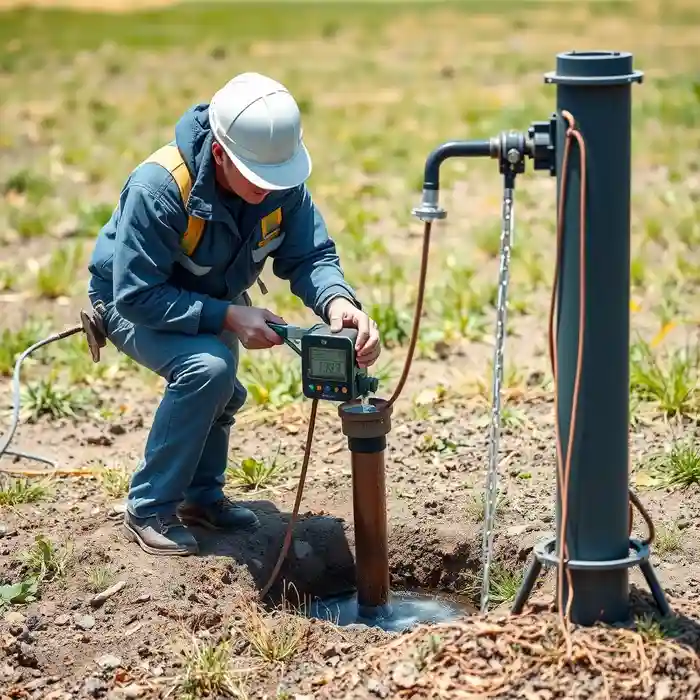
Our approach to water well drilling in Indianapolis begins with a comprehensive site assessment to evaluate local conditions. We then employ drilling techniques, such as rotary or cable tool, selected based on the specific soil and bedrock characteristics encountered. Throughout the process, we meticulously log formation data and ensure proper well construction, including casing and screen installation, to optimize water yield and longevity. The final step involves rigorous well development to remove fine particles and a standardized pump test to accurately determine sustainable yield, ensuring a reliable water source for your property.
Reference Technical Parameters
| Parameter | Reference Value |
|---|---|
| Predominant Soil Type | Glacial Till, Sand, and Gravel |
| Typical Groundwater Level | 10 - 50 ft (3 - 15 m) below surface |
| Bedrock Depth (Top of Rock) | 50 - 150 ft (15 - 45 m) |
| Maximum Seismic Acceleration (PGA) | 0.10g - 0.15g |
Local Considerations — Indianapolis
1. The glacial till and outwash deposits prevalent in the area require careful screen selection to prevent sand intrusion and ensure efficient pump installation. 2. Groundwater levels can fluctuate seasonally, impacting static water levels and well yield calculations. 3. While seismic risk is moderate, proper well construction practices are essential for long-term integrity. 4. Suburban areas with larger lots often have more favorable conditions for well placement compared to denser urban cores with potential contamination concerns. 5. A common scenario involves drilling through clay and sand layers to reach a productive water-bearing zone in the underlying limestone or sandstone bedrock, a process where expertise from our water well drilling in Chicago team informs best practices for the regional geology.
Request a Quote
Our team reviews your project and issues an initial report at no cost.
Or write us directly at [email protected]
Services in Indianapolis
Applicable Standards
- Indiana Department of Natural Resources (DNR) Water Well Regulations
- Marion County Health Department Codes
- EPA Safe Drinking Water Act Standards
Frequently Asked Questions
What are the main soil types in Indianapolis that affect water well drilling?
The area is predominantly covered by unconsolidated glacial deposits, including dense clay till, sand, and gravel layers. These sit above sedimentary bedrock, primarily limestone and shale. The variable nature of these deposits requires expert assessment to identify the most productive aquifer zones and select appropriate drilling and construction methods.
Are there specific seismic building codes for well construction in Indianapolis?
While Indianapolis is in a moderate seismic zone, local building codes primarily focus on structural safety. For water wells, the key is adherence to state DNR construction standards which ensure structural integrity. Proper grouting and casing practices are critical to protect the well from collapse and surface contamination, which also enhances its seismic resilience.
Is a hydrogeological study mandatory before drilling a water well in Indianapolis?
While not always mandated by code for every residential property, a professional [hydrogeological survey](/hydrogeological-survey/) is highly recommended. It is crucial for determining optimal well placement, predicting depth to water, estimating sustainable yield, and identifying potential risks like nearby contamination sources, ultimately ensuring a cost-effective and reliable water supply.