Methodology
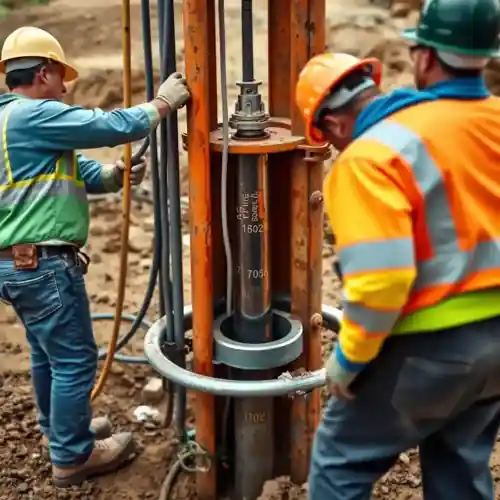
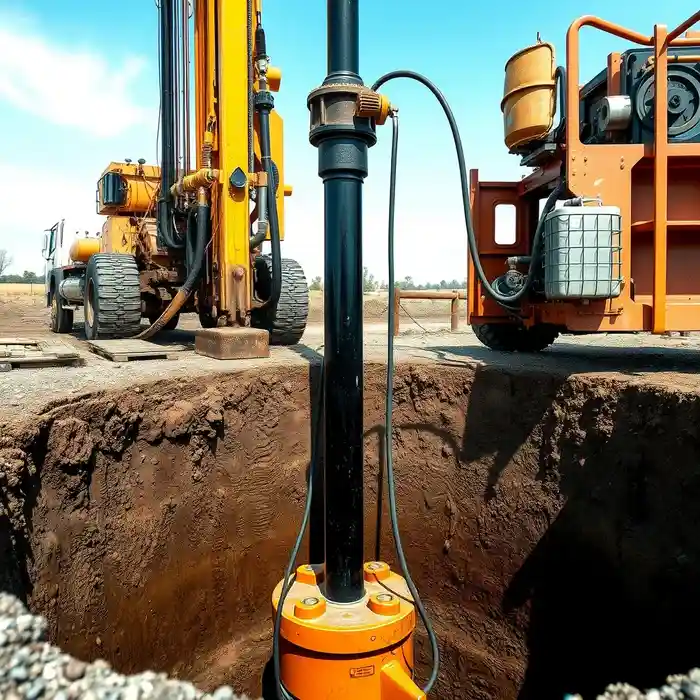
Our approach in Hartford begins with a thorough assessment of the site's specific glacial history to predict aquifer behavior. We then proceed with a targeted water well drilling strategy, selecting drilling methods—often cable tool or rotary—based on the expected subsurface conditions, from unconsolidated overburden to underlying bedrock. Continuous logging of materials and water strikes guides the final well design, ensuring optimal screen placement and well development for long-term performance and water quality protection.
Reference Technical Parameters
| Parameter | Reference Value |
|---|---|
| Predominant Soil Type | Glacial Till, Stratified Sand & Gravel |
| Typical Bedrock Depth | 50 - 200 ft (variable) |
| Typical Groundwater Level | 10 - 50 ft below surface |
| Maximum Seismic Acceleration (PGA) | As per NEHRP Site Class |
| Typical Standard Penetration Test (SPT) N60 Range | Variable; 5-30 in till, 10-50 in dense sand/gravel |
Local Considerations — Hartford Connecticut
Hartford's geology is dominated by glacial till and stratified drift aquifers, with water tables typically ranging from 10 to 50 feet below surface, varying significantly with topography. Seismic design, referencing the Connecticut State Building Code and NEHRP provisions for the region, is integrated into well casing design for critical facilities. Well yields in residential areas like West End can differ markedly from those in more industrial zones due to variations in drift thickness. A prerequisite for any project is a comprehensive hydrogeological survey to accurately characterize the local aquifer system. For large-scale regional expertise, our team also provides extensive water well drilling services from our New York hub.
Request a Quote
Our team reviews your project and issues an initial report at no cost.
Or write us directly at [email protected]
Services in Hartford Connecticut
Applicable Standards
- Connecticut Well Drilling Code
- EPA Safe Drinking Water Act Standards
- Connecticut State Building Code (Seismic Provisions)
- Local Health Department Regulations
Frequently Asked Questions
What are the primary soil and aquifer challenges for water well drilling in Hartford CT?
The main challenge is the heterogeneity of glacial deposits. Success depends on accurately identifying layers of water-bearing sand and gravel within sequences of clay and till. An improperly placed well screen due to misidentified strata can lead to low yield or sand pumping, necessitating precise geological interpretation during drilling.
How does seismic risk in Connecticut influence well construction?
While seismic risk is moderate, the Connecticut State Building Code incorporates seismic design categories. For wells serving critical facilities or in areas with liquefiable soils, well casing and grouting specifications must account for ground motion to maintain structural integrity and prevent aquifer contamination during a seismic event.
Is a hydrogeological study mandatory before drilling a well in Hartford?
While not always mandated by code for single residential wells, a professional hydrogeological assessment is strongly recommended. It is often required for commercial, industrial, or municipal projects to secure permits, prove sustainable yield, and ensure the well design protects both the aquifer and adjacent water rights.