Methodology
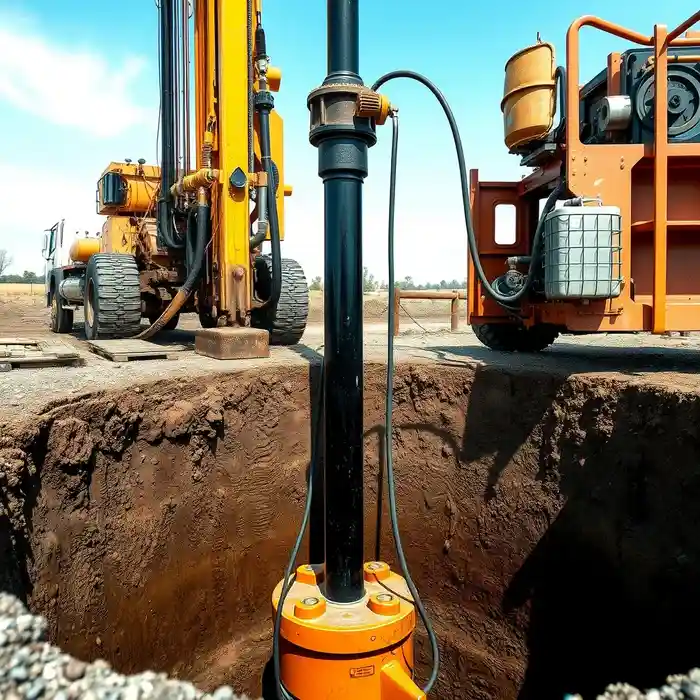
Our approach to water well drilling in Grand Rapids begins with a comprehensive assessment of the site's potential. This involves analyzing regional hydrogeological data, surface geology, and existing well logs to understand aquifer characteristics. Based on this evaluation, we determine the optimal drilling method—whether rotary, cable tool, or auger—to efficiently penetrate the local glacial till, outwash sands, and gravels or reach the underlying bedrock. The process is meticulously planned to ensure proper well construction, development, and yield testing, culminating in a sustainable water source. For detailed information on the drilling process, see our page on water well drilling.
Reference Technical Parameters
| Parameter | Reference Value |
|---|---|
| Predominant Soil Type | Glacial Till, Outwash Sands & Gravels |
| Bedrock Depth (Typical Range) | 50 - 200 ft below surface |
| Typical Groundwater Level | 20 - 80 ft below surface |
| Maximum Seismic Acceleration (PGA) | 0.10g - 0.15g |
| Typical SPT N60 Value Range | Variable, 10 - 40 blows/ft |
Local Considerations — Grand Rapids
The hydrogeology of Grand Rapids presents specific considerations for well development. First, the variable thickness of glacial deposits overlying the Marshall Sandstone aquifer means static water levels and well yields can differ significantly even over short distances. Second, while seismic risk is moderate, proper well casing and grouting are essential for long-term integrity. Third, neighborhoods on higher ground, like the East Hills area, may require deeper drilling to reach productive aquifers compared to lower areas near the river. Fourth, the potential for contamination from historical industrial sites necessitates thorough water quality analysis post-construction. Finally, adherence to Michigan's Water Well Construction and Pump Installation Code is mandatory. A preliminary hydrogeological survey is highly recommended to navigate these local factors effectively. For major regional projects, our team also provides extensive support for water well drilling in Chicago.
Request a Quote
Our team reviews your project and issues an initial report at no cost.
Or write us directly at [email protected]
Services in Grand Rapids
Applicable Standards
- Michigan Water Well Construction and Pump Installation Code
- Michigan Department of Environment, Great Lakes, and Energy (EGLE) Regulations
- Local Grand Rapids Watershed Ordinances
Frequently Asked Questions
What are the common soil and rock conditions encountered during well drilling in Grand Rapids?
Drillers typically encounter a sequence of unconsolidated glacial deposits, including clay-rich till and layers of sand and gravel, which can be productive aquifers. Underlying these deposits is the Marshall Sandstone, a major bedrock aquifer. The thickness and composition of these layers vary greatly, directly impacting well design and potential yield.
Are there specific seismic design considerations for water wells in this area?
While not in a high seismic zone, Grand Rapids is subject to ground motion. Well construction must account for this through proper selection and installation of casing, and complete grouting of the annular space to prevent collapse, sand intrusion, and potential pathways for surface contamination during seismic events.
Is a hydrogeological study required before drilling a water well in Grand Rapids?
While not always legally mandated for every residential well, a professional hydrogeological survey is strongly advised. It is crucial for identifying the best aquifer, estimating sustainable yield, avoiding contamination plumes, and ensuring the well meets all regulatory standards for construction and placement, saving time and resources.