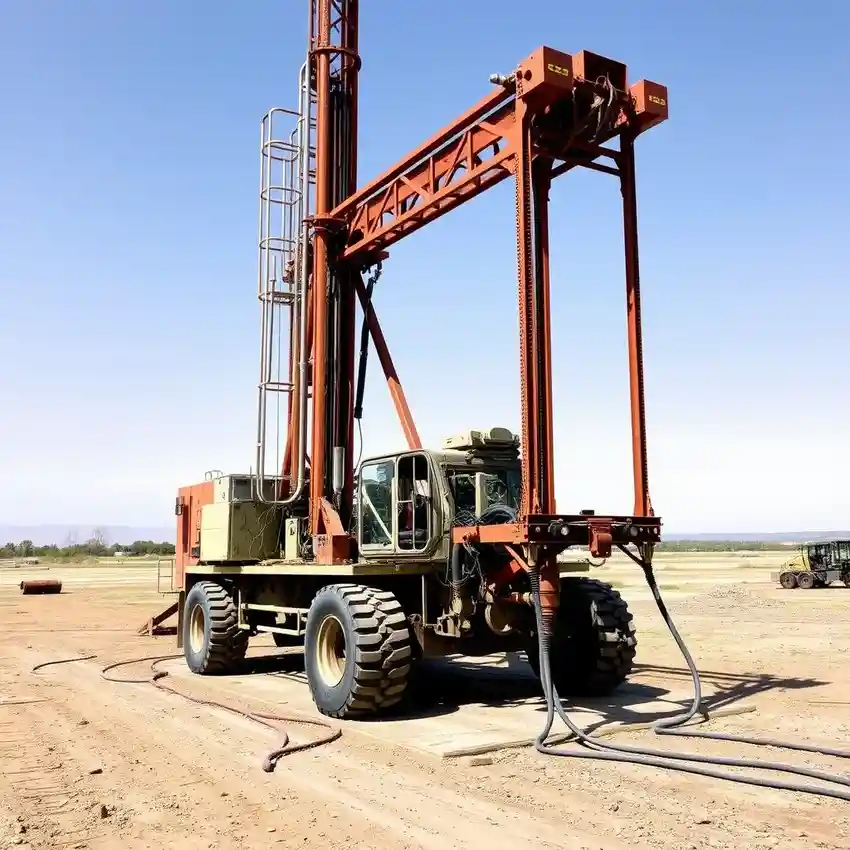
Methodology
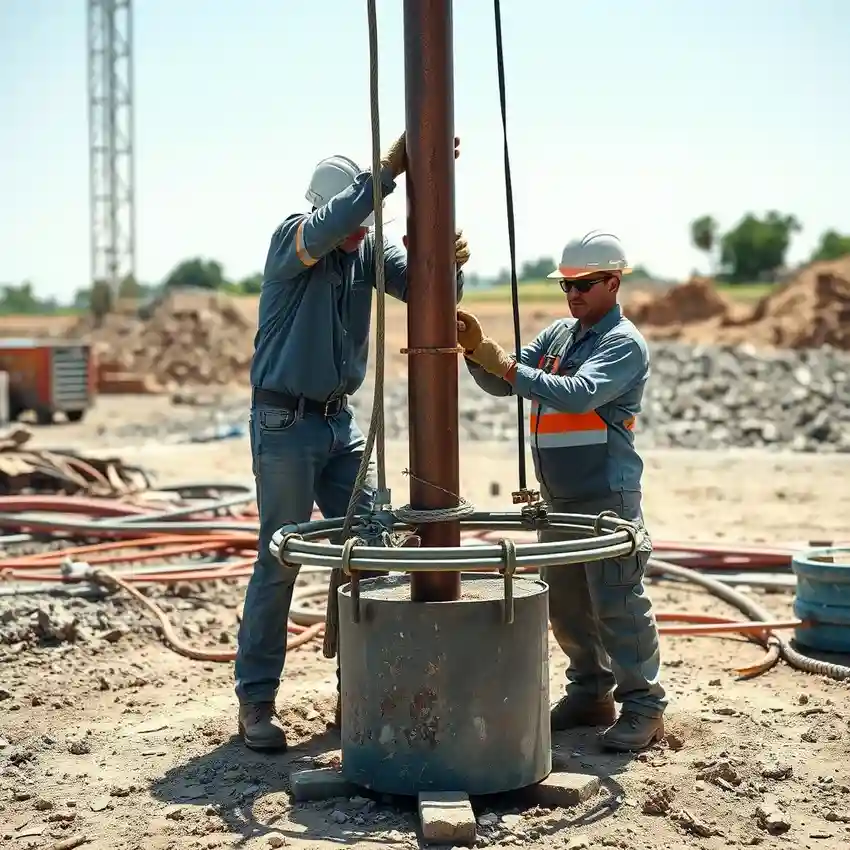
Our approach in Gilbert begins with a thorough site assessment to understand the local subsurface conditions. This is followed by precise water well drilling operations, utilizing techniques suited to the unconsolidated alluvial sediments and deeper basin fill. We prioritize proper well construction, including casing and screen selection, to ensure long-term integrity and efficiency, culminating in development and testing to verify sustainable yield and water quality.
Reference Technical Parameters
| Parameter | Reference Value |
|---|---|
| Predominant Soil Type | Alluvial Silt, Sand, and Gravel |
| Maximum Seismic Acceleration (PGA) | 0.2g - 0.3g (Site-Specific) |
| Typical Groundwater Level Depth | 100 - 400 ft below surface |
| Estimated Depth to Bedrock | Several thousand feet |
| Typical Well Casing Diameter | 6" - 12" |
Local Considerations — Gilbert
Gilbert's geology is characterized by deep alluvial deposits of the Salt River Valley, with groundwater levels that have experienced significant historical drawdown. Seismic risk, while moderate, requires consideration of liquefaction potential in saturated, loose granular layers. Conditions can vary between established neighborhoods with older wells and new developments requiring initial water source development. A critical local factor is the regulatory framework governing groundwater extraction in the Phoenix AMA, making proper well design and permitting essential. For complex projects, a detailed hydrogeological survey is often a prerequisite. Many clients in the region also rely on our expertise for water well drilling services from our Phoenix hub.
Request a Quote
Our team reviews your project and issues an initial report at no cost.
Or write us directly at [email protected]
Services in Gilbert
Applicable Standards
- Arizona Groundwater Management Act
- ADWR Well Construction Standards
- Local Gilbert Municipal Code
Frequently Asked Questions
What are the main soil and geological challenges for drilling a water well in Gilbert?
The primary challenge involves drilling through heterogeneous alluvial sequences of sand, silt, and gravel, which can vary significantly over short distances. These unconsolidated materials require careful well design and development to prevent sand intrusion and ensure optimal screen performance for a sustainable water yield.
How does Gilbert's location in an Active Management Area (AMA) affect well drilling?
The Phoenix AMA, which includes Gilbert, imposes strict regulations on groundwater use. Drilling a new well or deepening an existing one typically requires a permit from the ADWR. Proof of adequate water supply, well spacing rules, and metering requirements are key regulatory considerations that directly impact project planning and feasibility.
Is a geological or hydrological study mandatory before drilling a well in Gilbert?
While not always mandatory for every single-family residential well, a professional assessment is highly recommended and often required by lending institutions or for commercial/agricultural uses. It determines the optimal location, depth, and expected yield, ensuring regulatory compliance and protecting your investment against poor water quality or insufficient supply.