Methodology
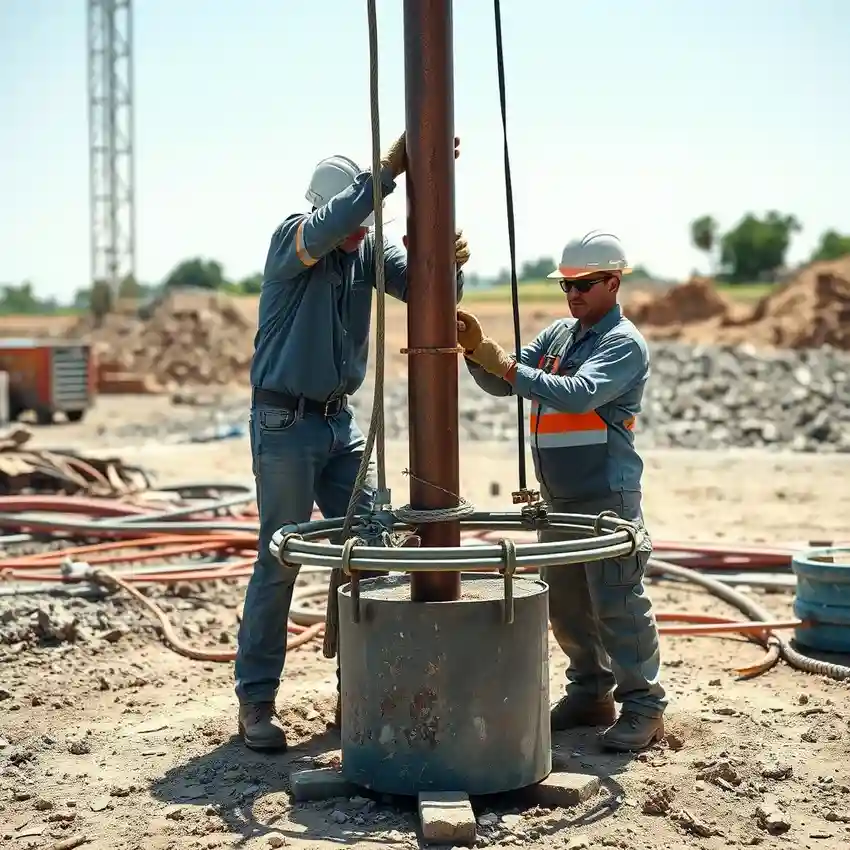
Our approach in Detroit begins with a thorough review of regional hydrogeological maps from the USGS and Michigan Department of Environment, Great Lakes, and Energy (EGLE) to understand the glacial till and outwash aquifer systems. Site-specific assessment follows, where our methodology integrates historical data with modern techniques to pinpoint optimal drilling locations. The actual water well drilling process is then executed with equipment suited to the unconsolidated soils, ensuring proper well construction, development, and testing to meet both yield goals and regulatory standards for water quality and well integrity.
Reference Technical Parameters
| Parameter | Reference Value |
|---|---|
| Predominant Soil Type | Glacial Till (Clay, Silt, Sand, Gravel mixtures) |
| Bedrock Depth | 50 - 150 feet (variable) |
| Typical Groundwater Level | 10 - 30 feet below surface |
| Maximum Seismic Acceleration (PGA) | Low seismicity; design per local building code |
| Typical SPT N60 Value Range | 5 - 30 blows/foot (highly variable with soil layer) |
Local Considerations — Detroit
1. **Geology & Aquifers**: The subsurface is dominated by glacial deposits—clay till, sand, and gravel—overlying shale bedrock. Productive aquifers are often found in sand and gravel outwash plains. 2. **Water Table**: Typically shallow, ranging from 10 to 30 feet below ground surface, but can be deeper in areas of heavy historic pumping or near major industrial sites. 3. **Contamination Risks**: Legacy industrial sites require careful assessment to avoid drilling into plumes of contamination; a preliminary hydrogeological survey is often critical. 4. **Regulatory Nuances**: Permitting through EGLE is mandatory, with strict codes on well construction, setbacks, and abandonment. 5. **Regional Context**: While we serve Detroit's unique needs, our foundational expertise is supported by operations in other major markets, including our comprehensive water well drilling services based in Chicago.
Request a Quote
Our team reviews your project and issues an initial report at no cost.
Or write us directly at [email protected]
Services in Detroit
Applicable Standards
- Michigan Water Well Construction and Pump Installation Code (Part 127, PA 368)
- EGLE Well Drilling Permitting Requirements
- Local County Health Department Regulations
Frequently Asked Questions
How does Detroit's glacial geology affect water well drilling?
The layered, unconsolidated glacial deposits—including clay till, sand, and gravel lenses—create a heterogeneous aquifer system. Drilling must penetrate through low-permeability till to reach productive sand and gravel layers, which can vary significantly in thickness and location over short distances. This requires careful site evaluation and adaptable drilling techniques to successfully construct a high-yield well.
What are the key regulatory steps for drilling a water well in Detroit?
A permit from the Michigan EGLE is required before drilling begins. The well constructor must be licensed by the state. Regulations dictate minimum construction standards (casing, grouting, well cap), mandatory setbacks from potential contamination sources, and well abandonment procedures. A final well log and construction report must be submitted to EGLE upon completion.
Is a water quality test required after well installation?
While not always mandated by the state for all well types, a comprehensive water quality test is strongly recommended and is often required by local health departments or for mortgage lending. Testing should check for bacteria, nitrates, metals, and volatile organic compounds, especially in areas with known historical industrial activity, to ensure the water is safe for its intended use.