Methodology
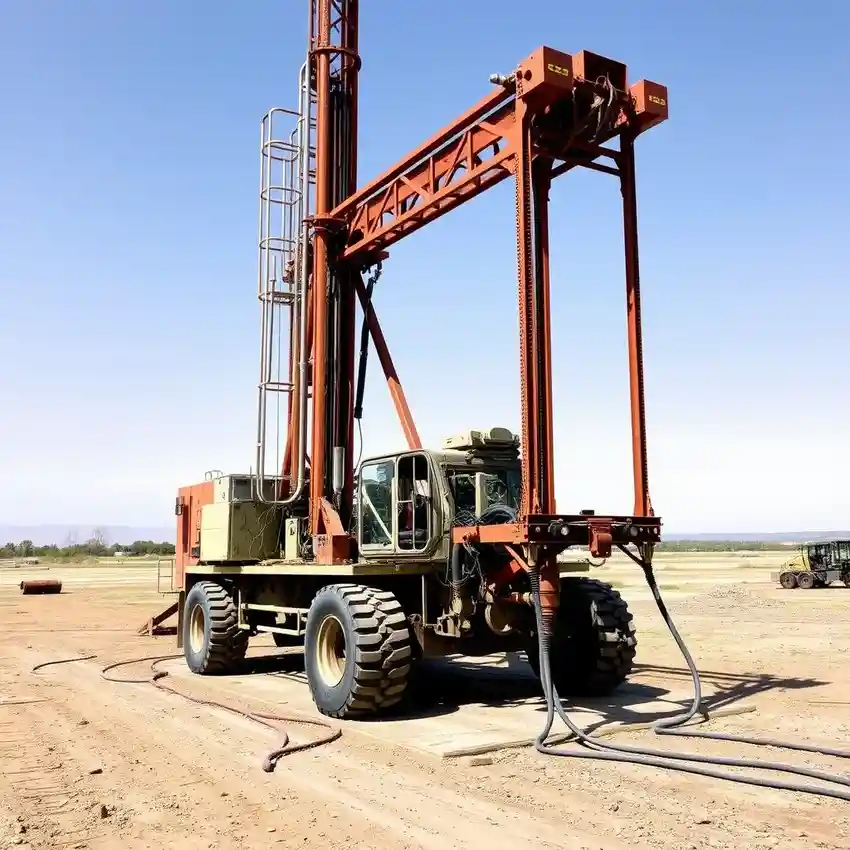
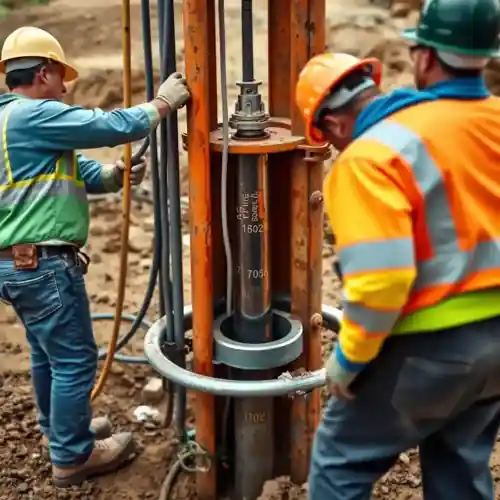
Our methodology for projects in Columbus begins with a regional hydrogeological review to understand the glacial depositional environment. We then proceed with a site-specific assessment to identify the most promising aquifer zones within the glacial outwash or buried valley formations. The subsequent water well drilling phase utilizes techniques appropriate for the unconsolidated materials, ensuring proper well construction, development, and yield testing to meet project demands and regulatory standards for a durable water supply.
Reference Technical Parameters
| Parameter | Reference Value |
|---|---|
| Predominant Soil Type | Glacial Till (Clay, Silt, Sand, Gravel) |
| Bedrock Depth (Typical Range) | 50 - 150 ft |
| Typical Groundwater Level | 10 - 50 ft below surface |
| Maximum Seismic Acceleration (PGA) | Low to Moderate (Site-Specific) |
| Typical SPT N60 Value Range | Variable, 5 - 30 blows/ft |
Local Considerations — Columbus Ohio
Columbus's hydrogeology is defined by glacial deposits overlying shale and limestone bedrock. The water table is generally shallow but can vary significantly. Seismic risk is considered low to moderate, with ground motions primarily influenced by distant sources. In older urban neighborhoods, well placement must carefully consider potential legacy contamination, whereas in outlying rural areas, the focus is on accessing the deeper, more productive sand and gravel aquifers. A thorough hydrogeological survey is critical here, as is coordinating with our primary operations hub for comprehensive water well drilling services from Chicago.
Request a Quote
Our team reviews your project and issues an initial report at no cost.
Or write us directly at [email protected]
Services in Columbus Ohio
Applicable Standards
- Ohio Administrative Code (OAC) Chapter 1521
- ODNR Division of Water Resources Rules
- Local County Health Department Regulations
Frequently Asked Questions
What types of soil and rock conditions are typical for well drilling in Columbus?
Columbus is predominantly underlain by unconsolidated glacial deposits, including layers of clay, silt, sand, and gravel. These materials were left by glaciers and can be highly variable over short distances. Well design must account for this heterogeneity to ensure proper screen placement in water-bearing sand and gravel layers and to stabilize the borehole through cohesive clay layers.
Are there specific seismic design considerations for wells in Columbus, Ohio?
While not in a high seismic zone like the West Coast, Columbus is subject to ground motions from distant seismic sources. Professional well construction practices, including proper grouting and casing, inherently provide resilience against low-level seismic shaking. For critical infrastructure, a site-specific seismic assessment may be recommended.
Is a hydrogeological study mandatory before drilling a water well in Franklin County?
While not always mandated by code for every single-family residential well, a professional hydrogeological study is a critical best practice. It is often required for commercial, agricultural, or municipal wells, and is essential for predicting reliable yield, ensuring water quality, and selecting the correct [pump installation](/pump-installation/) specifications for long-term system efficiency.