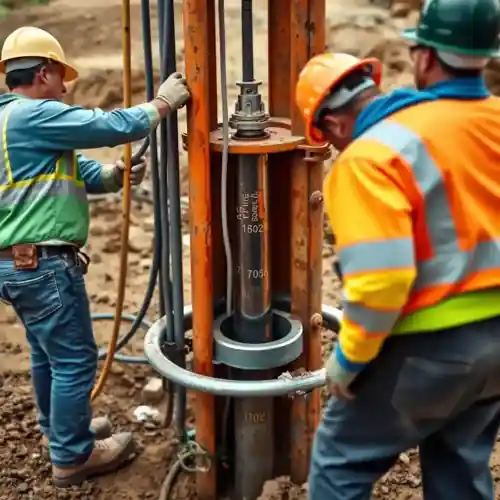
Methodology
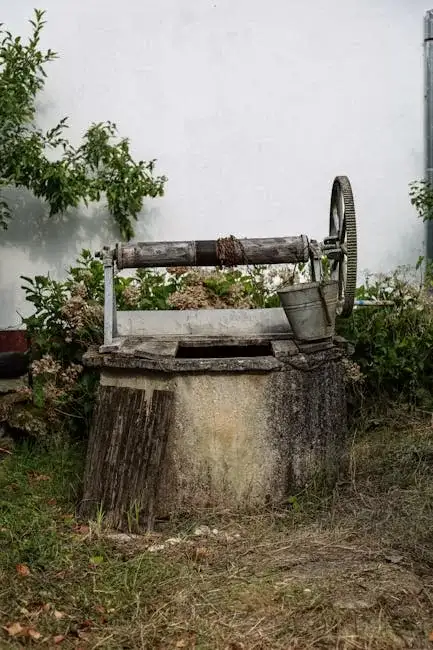
Our approach for Colorado Springs begins with a regional assessment of the local geology and aquifer characteristics. We evaluate historical well data, geologic maps, and structural features to understand groundwater flow, which is heavily influenced by the uplifted bedrock of the Front Range and the interbedded sandstone and claystone of the surrounding basins. This foundational knowledge directly informs our strategic water well drilling process, allowing us to target the most productive zones while accounting for the area's variable water quality and depth.
Reference Technical Parameters
| Parameter | Reference Value |
|---|---|
| Predominant Soil/Rock Type | Weathered Granite, Sandstone, Claystone, Alluvial Deposits |
| Typical Bedrock Depth | Highly Variable; 0 to 100+ ft to consolidated rock |
| Maximum Seismic Acceleration (PGA) | Site-Specific; regionally up to 0.2g |
| Typical Groundwater Level | 50 - 400+ ft below ground surface |
| Primary Aquifer Units | Dawson, Denver, Arapahoe Formations |
Local Considerations — Colorado Springs
1. **Geology & Aquifers**: Groundwater availability is highly variable, sourced primarily from the Dawson, Denver, and Arapahoe aquifers. Yields can change significantly over short distances due to faulting and the heterogeneous nature of these sedimentary deposits. 2. **Water Table & Depth**: The static water level and well depth vary greatly, from shallower alluvial wells near streams to deeper bedrock wells exceeding several hundred feet on the western slopes. 3. **Seismic Activity**: Located in a region of moderate seismic risk, proper well construction and casing design are critical for integrity. 4. **Neighborhood Contrasts**: Water rights, quality (notably hardness and iron content), and availability differ between established eastern neighborhoods and newer developments on the western plains. 5. **Typical Cases**: We frequently address challenges such as low-yield wells in fractured bedrock and managing water quality in the Fox Hills aquifer. A professional hydrogeological survey is strongly advised to mitigate these risks. For broader regional expertise, our team also provides comprehensive water well drilling services from our Denver hub.
Request a Quote
Our team reviews your project and issues an initial report at no cost.
Or write us directly at [email protected]
Services in Colorado Springs
Applicable Standards
- Colorado Division of Water Resources (DWR) Rules & Regulations
- El Paso County Well Permit Requirements
- Colorado Primary Drinking Water Regulations
Frequently Asked Questions
How does the geology of Colorado Springs affect well drilling?
The geology is complex, featuring uplifted crystalline bedrock of the Pikes Peak Granite on the west, transitioning to dipping sedimentary aquifers (Dawson, Denver) to the east. This structure creates compartmentalized groundwater systems. Drilling must be strategically planned to intersect productive fracture zones in bedrock or the more consistent water-bearing sandstone layers in the basins, requiring localized expertise.
What are the key regulatory considerations for a well in El Paso County?
All wells must be permitted through the Colorado Division of Water Resources (DWR) and often require local county approval. Securing a valid water right or proving the well is exempt (e.g., certain domestic uses) is the first critical step. Well construction must meet strict state standards for casing, grouting, and sealing to protect the aquifer, especially given the seismic considerations of the region.
Is a water quality test required after drilling a new well?
While not always legally mandated for all well types, a comprehensive water quality analysis is a critical standard practice. It is essential for verifying the safety of the water for its intended use and for informing the necessary [pump installation](/pump-installation/) and treatment system design. Testing for parameters like pH, hardness, iron, manganese, and bacteria is highly recommended.