Methodology
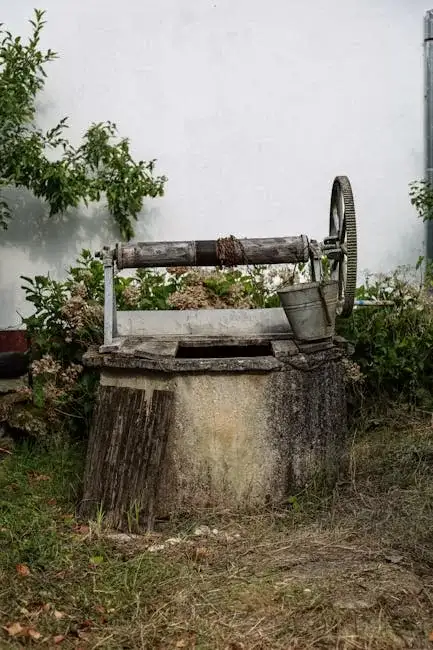
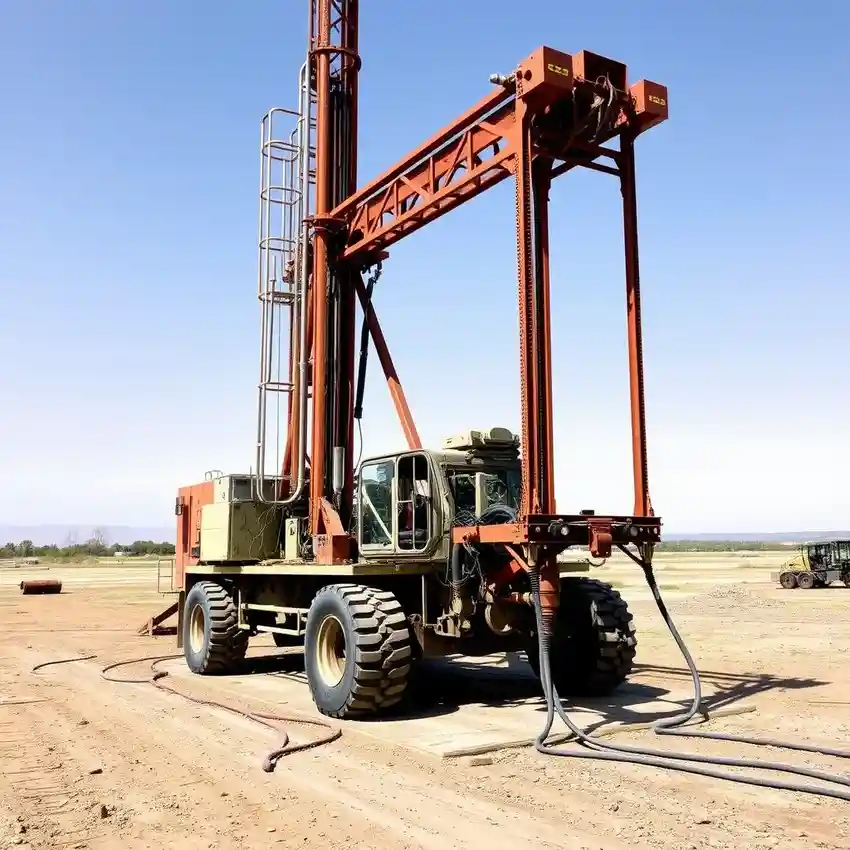
Our methodology for projects in Cheyenne begins with a comprehensive site assessment to evaluate the most viable aquifer target, whether it be the unconsolidated alluvial deposits or the deeper Fox Hills Sandstone. This informs the precise planning of the water well drilling operation. We employ rotary or cable tool drilling techniques based on subsurface conditions, ensuring proper casing and screen installation to match the aquifer's characteristics. Each well is developed through rigorous surging and pumping to remove fine sediments and maximize sustainable yield, concluding with a pump test to accurately determine the well's capacity.
Reference Technical Parameters
| Parameter | Reference Value |
|---|---|
| Predominant Near-Surface Soil Type | Sandy Gravel, Silty Sand (Alluvial) |
| Typical Bedrock Depth (Fox Hills Sandstone) | 150 - 300 ft below surface |
| Estimated Peak Ground Acceleration (PGA) | 0.1g - 0.2g (Site Specific) |
| Typical Standard Penetration Test (N60) Range in Alluvium | 15 - 50 blows/ft |
| Seasonal Water Table Fluctuation | 5 - 20 ft |
Local Considerations — Cheyenne
1. **Geology & Aquifers**: The primary water-bearing units are Quaternary alluvial deposits along drainages and the deeper, extensive Fox Hills Sandstone. The alluvium offers easier access but variable yield; the sandstone provides more consistent, confined water. 2. **Water Table Dynamics**: The static water level can vary significantly seasonally and is generally deeper east of the city. 3. **Seismic Context**: While not the highest seismic zone, Cheyenne is subject to regional seismic activity; well design considers potential liquefaction in saturated, loose alluvial soils. 4. **Neighborhood Contrast**: Well depth and yield can differ markedly between properties in the Crow Creek valley and those on the higher terraces or eastern plains. 5. **Typical Cases**: Many residential wells tap the alluvium, while larger agricultural or municipal supplies often target the Fox Hills formation, requiring a detailed hydrogeological survey for optimal design. For major regional projects, consider our centralized water well drilling services from our Denver hub.
Request a Quote
Our team reviews your project and issues an initial report at no cost.
Or write us directly at [email protected]
Services in Cheyenne
Applicable Standards
- Wyoming State Engineer's Office Well Construction Rules
- Wyoming Water Rights Administration
- EPA Underground Injection Control Regulations
Frequently Asked Questions
What soil and geological conditions are typical for well drilling in Cheyenne?
The near-surface conditions typically consist of unconsolidated alluvial sands, gravels, and clays deposited by Crow Creek and its tributaries. These overlie the Cretaceous-age Fox Hills Sandstone, a major regional aquifer. The alluvium can contain cobbles that challenge drilling, while the sandstone is generally stable but requires proper screen selection to prevent sand incursion.
Are there specific seismic design considerations for wells in Cheyenne?
While not in a high seismic zone like the West Coast, Cheyenne's building codes reference seismic design categories. For wells, this primarily influences the structural integrity of the casing, especially through potentially liquefiable saturated sandy layers. Proper grouting and coupling are essential to maintain well integrity during seismic events.
Is a hydrogeological study mandatory before drilling a water well in Laramie County?
While not always mandatory for every single-family domestic well, a professional hydrogeological study is highly recommended and is often required for larger withdrawal permits, subdivision developments, or in areas with known water right complexities. It ensures the well is properly sited and designed to maximize yield and minimize interference with existing water rights.