Methodology
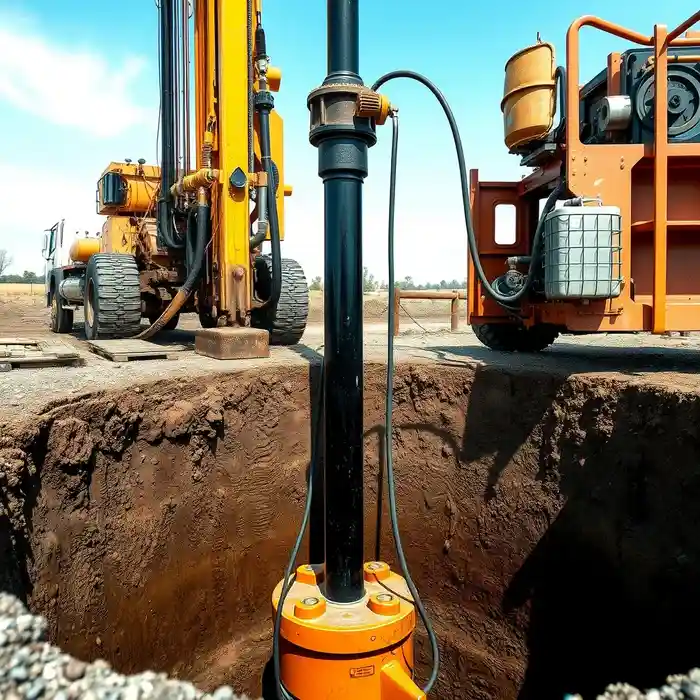
Our approach in Chandler begins with a thorough site evaluation to understand the subsurface conditions. We then proceed with precision water well drilling, selecting the appropriate rotary or percussion method based on soil composition and target aquifer depth. Throughout the process, we meticulously log formation samples and monitor drilling parameters. The well is then properly cased and developed to optimize yield and water clarity, culminating in a pump test to accurately determine sustainable production capacity.
Reference Technical Parameters
| Parameter | Reference Value |
|---|---|
| Predominant Soil Type | Sandy Loam to Clayey Silt |
| Typical Groundwater Level | 80 - 250 ft below surface |
| Bedrock Depth | Variable, often 300+ ft |
| Maximum Seismic Acceleration (PGA) | 0.3 - 0.4g (Site Specific) |
Local Considerations — Chandler
Chandler's geology presents unique challenges for water well development. The city sits on deep alluvial deposits from the Salt River, with groundwater levels varying significantly. In older, central neighborhoods, the water table may be relatively shallow, while in newer expansions to the south and east, drilling to greater depths into the East Salt River Valley sub-basin is often necessary. Seismic activity, though moderate, requires careful well design and construction practices. A critical first step for any project is a comprehensive hydrogeological survey to accurately map the aquifer and avoid potential contamination from historical agricultural land use. For complex projects or regional expertise, our primary team offers extensive support for water well drilling in Phoenix.
Request a Quote
Our team reviews your project and issues an initial report at no cost.
Or write us directly at [email protected]
Services in Chandler
Applicable Standards
- Arizona Department of Water Resources (ADWR) Regulations
- Arizona Administrative Code R12-15
- Local Chandler Municipal Code
Frequently Asked Questions
What type of soil conditions are common for water well drilling in Chandler?
Chandler is characterized by deep alluvial deposits, primarily layers of sandy loam, gravel, and clayey silt. These unconsolidated materials are generally favorable for drilling but require proper well design, including screen and gravel pack selection, to prevent sand intrusion and ensure long-term well efficiency.
Are there specific seismic building codes that affect well construction here?
While Chandler is in a region with seismic design categories that require consideration, the primary regulatory focus for wells is on water rights, construction standards, and preventing aquifer contamination. Well design must ensure structural integrity, which indirectly addresses seismic resilience through proper casing and grouting techniques as per ADWR rules.
Is a hydrogeological study mandatory before drilling a well in Chandler?
While not always mandated for every single residential well, a professional hydrogeological assessment is highly recommended and is a requirement for most non-exempt wells or those intended for commercial use. It is essential for determining the appropriate location, depth, and yield, and is a key part of the permit application process with the ADWR.