Methodology
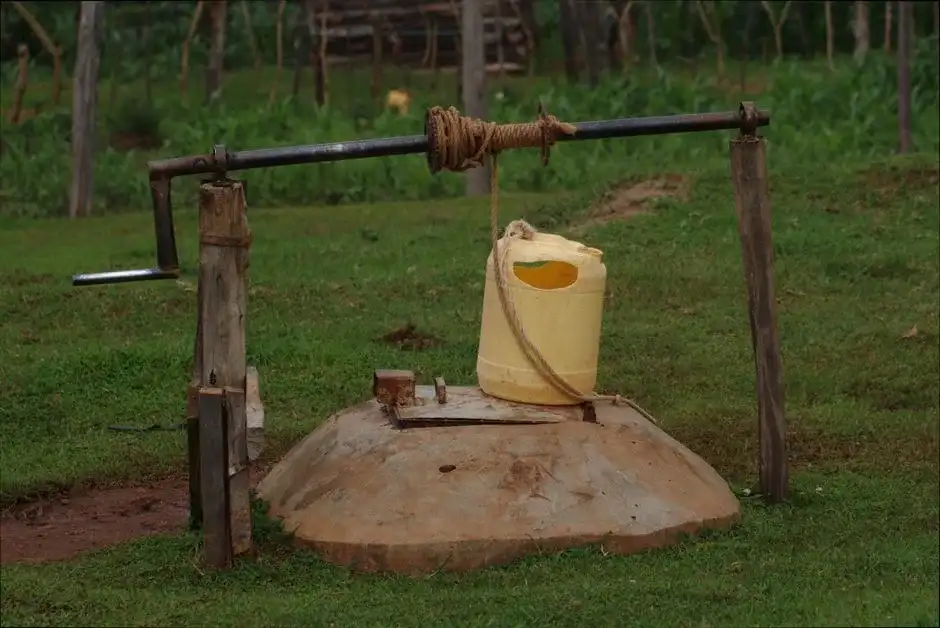
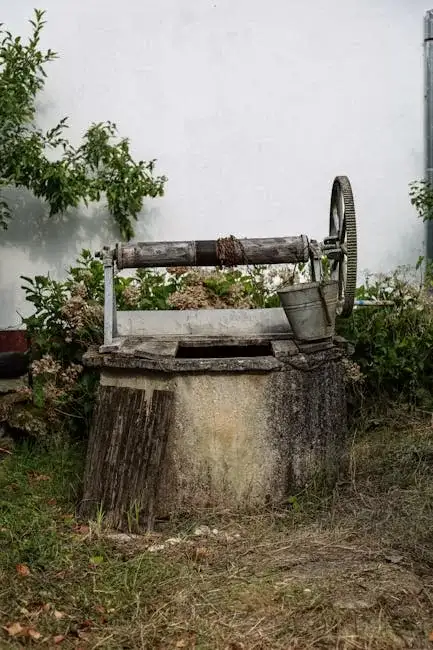
Our approach in Boston begins with a thorough site assessment to understand the local hydrogeological context before any water well drilling commences. We analyze historical data, surface geology, and potential recharge areas specific to the Boston Basin. This informs our drilling strategy, selecting equipment and techniques suited to penetrate the variable glacial till and reach the underlying bedrock aquifers. All work is planned to minimize environmental impact and ensure long-term well integrity and performance.
Reference Technical Parameters
| Parameter | Reference Value |
|---|---|
| Predominant Soil Type | Glacial Till (Unsorted Clay, Silt, Sand, Gravel, Boulders) |
| Typical Bedrock Depth | 10 - 100 feet (Highly Variable) |
| Typical Groundwater Level | 5 - 50 feet below surface |
| Maximum Seismic Acceleration (PGA) | 0.12g - 0.20g (Site-Specific) |
| Typical Standard Penetration Test (SPT) N60 Range | 10 - 50 blows/ft in till |
Local Considerations — Boston
Boston's geology presents distinct challenges for groundwater development. The area is underlain by the Boston Basin, filled with complex sequences of glacial till, outwash deposits, and bedrock. Groundwater levels are highly variable, influenced by topography and proximity to the Charles River or Boston Harbor. Seismic activity, though moderate, requires design consideration. Projects in Back Bay, built on fill, differ significantly from those in the bedrock-dominated areas of West Roxbury, often necessitating a preliminary hydrogeological survey for accurate planning. For major regional projects, our team also provides comprehensive water well drilling services from our New York hub.
Request a Quote
Our team reviews your project and issues an initial report at no cost.
Or write us directly at [email protected]
Services in Boston
Applicable Standards
- Massachusetts Well Driller License Regulations (313 CMR 3.00)
- Massachusetts Private Well Guidelines (DEP)
- Local Board of Health Regulations
- ASTM D4043-17 (Guide for Selection of Aquifer Test Method)
Frequently Asked Questions
What soil and rock conditions are typically encountered during well drilling in Boston?
Drillers typically encounter heterogeneous glacial till—a mix of clay, silt, sand, and cobbles—overlying bedrock. The depth to bedrock, such as the Cambridge Argillite or Roxbury Conglomerate, varies dramatically. This variability makes pre-drilling investigation crucial to estimate drilling difficulty, appropriate casing, and screen placement for optimal yield.
Are there specific seismic design considerations for wells in the Boston area?
While not in a high seismic zone like the West Coast, Boston has a recorded history of seismic events. Well design, particularly casing and grout seals, should consider potential ground shaking to maintain integrity and prevent aquifer contamination, adhering to prudent engineering practice for the calculated seismic accelerations.
Is a hydrogeological study mandatory before drilling a water well in Boston?
While state regulations mandate licensed drillers and specific construction standards, a formal hydrogeological study is not always legally required for a single residential well. However, given the geological complexity, it is highly recommended for predicting yield, ensuring water quality, and avoiding costly dry holes or poor-performing wells.